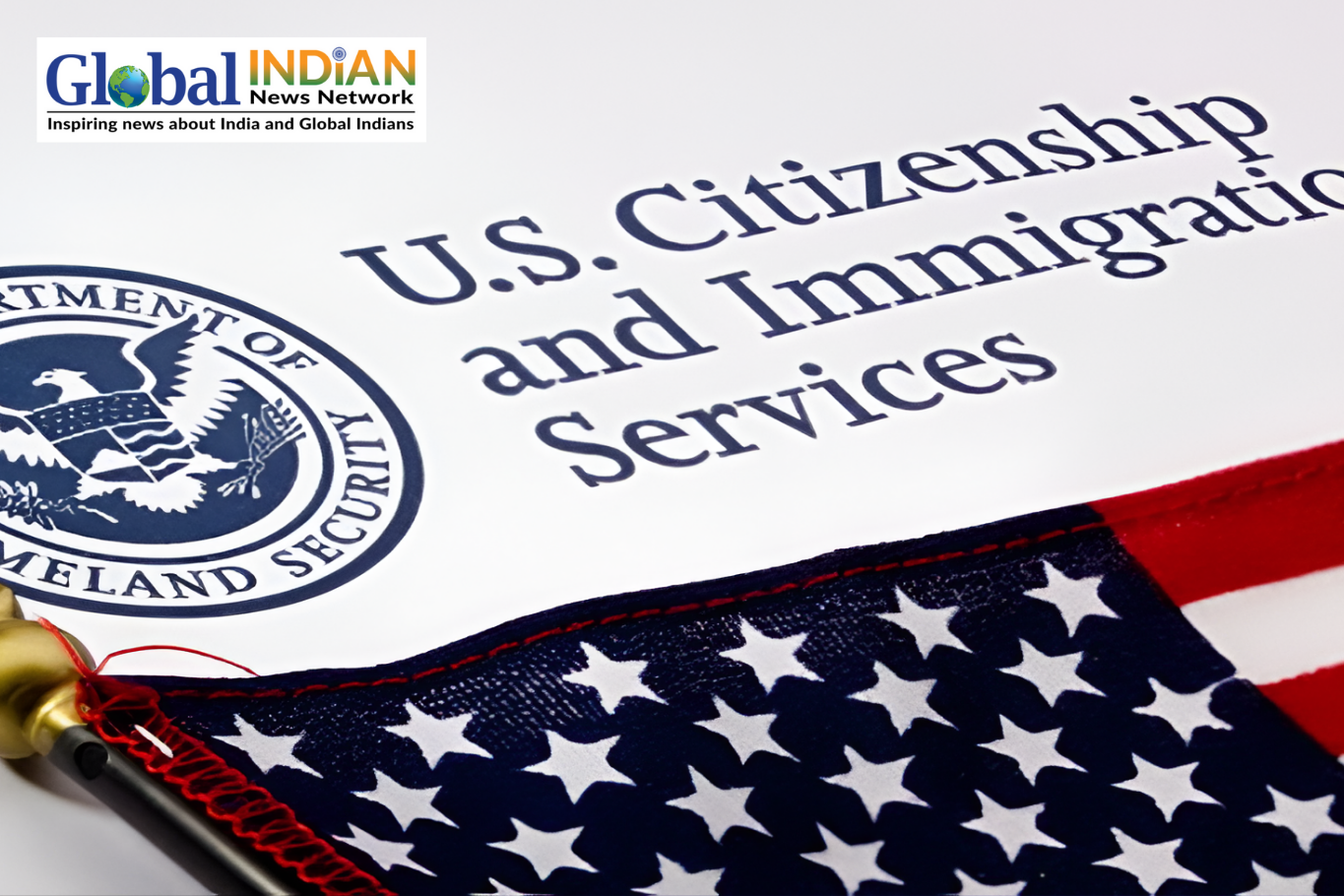
 A sweeping change to the US H-1B visa selection process has triggered fresh anxiety among Indian technology professionals and Indian American families, after the Department of Homeland Security (DHS) announced that future H-1B cap selections will be weighted based on wage levels rather than a random lottery alone.
The final rule, published in the Federal Register, amends existing regulations to allow the selection of unique beneficiaries under the H-1B annual cap and advanced degree exemption in a weighted manner based on the wage level listed in each registration.
For Indian nationals — who account for a significant share of H-1B approvals and dominate the employment-based green card backlog — the shift is being closely watched as a potential restructuring of how foreign talent enters the US technology workforce.
DHS said the rule is intended to address shortages in highly skilled roles while protecting the wages, working conditions and job opportunities of US workers. The department added that the move seeks to prevent what it described as continued abuse of the H-1B program.
Public comments during the rulemaking process raised concerns from employers, startups and academic institutions, warning that international professionals drive innovation, productivity and entrepreneurship. Several submissions argued that startups and research institutions may struggle to compete with large firms under a wage-weighted system.
DHS rejected these claims, stating that the rule would help employers of all sizes attract and retain highly skilled and highly paid professionals. The agency cited data suggesting no widespread STEM labor shortage and pointed to flat or declining real wages in certain technology occupations.
Indian American groups expressed concern that the new system could disadvantage early-career professionals and startups, while favoring large corporations with greater financial capacity. Many noted that the added uncertainty could affect long-term career planning, family stability and settlement decisions.
The rule also includes provisions aimed at strengthening process integrity, addressing issues such as wage manipulation, multiple registrations and inconsistencies between filings. DHS said the changes were carefully drafted to reduce legal ambiguity and litigation risk.