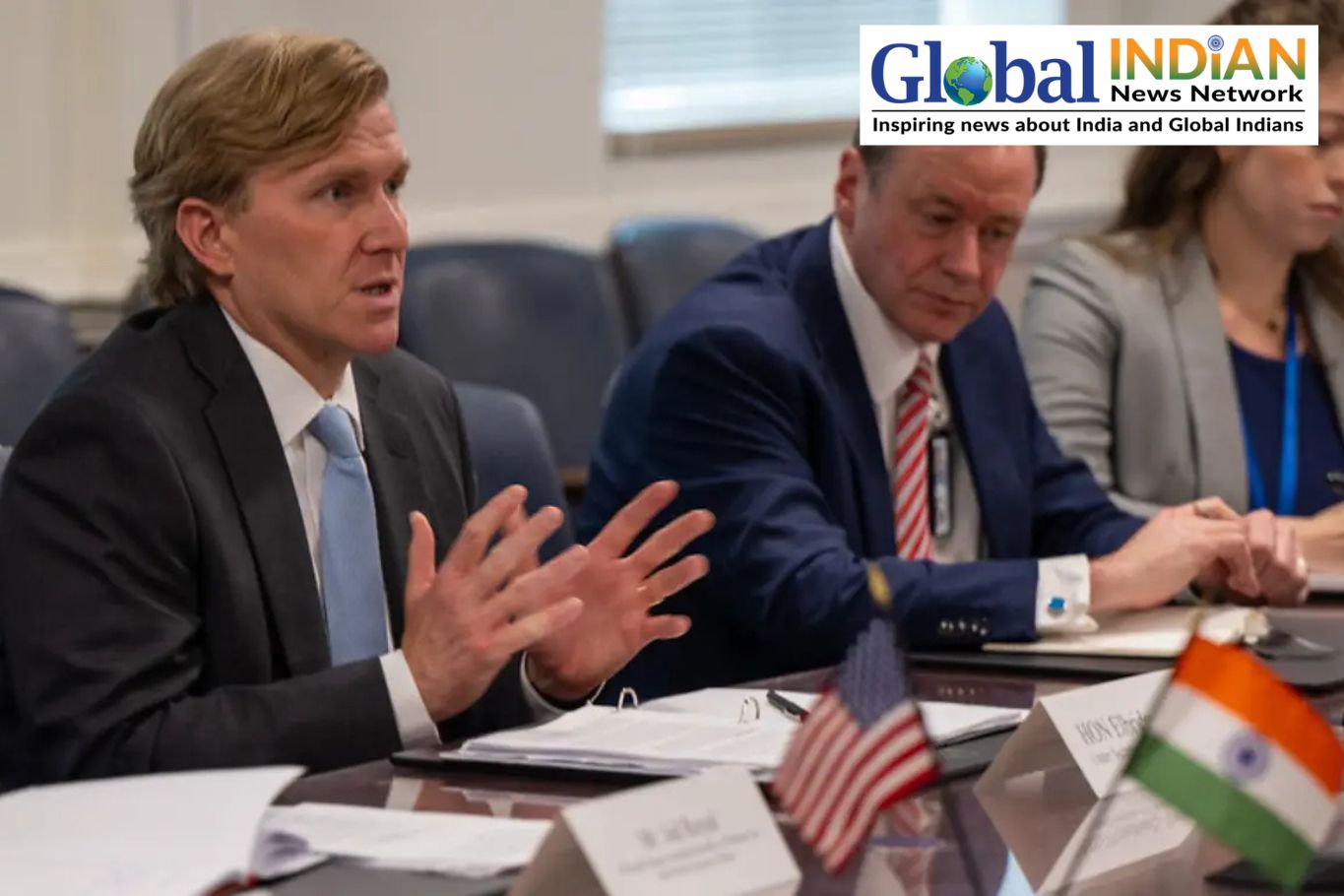
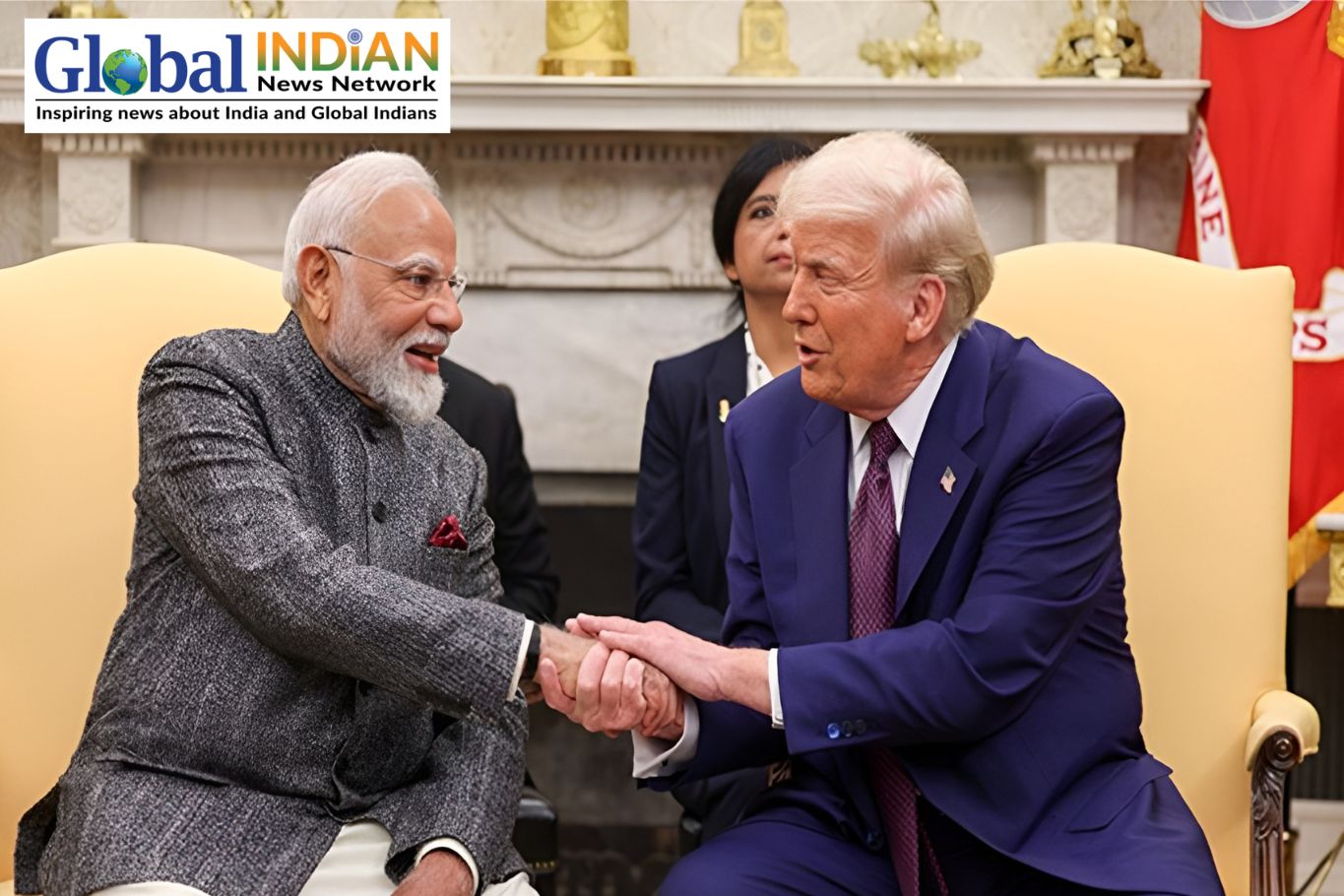
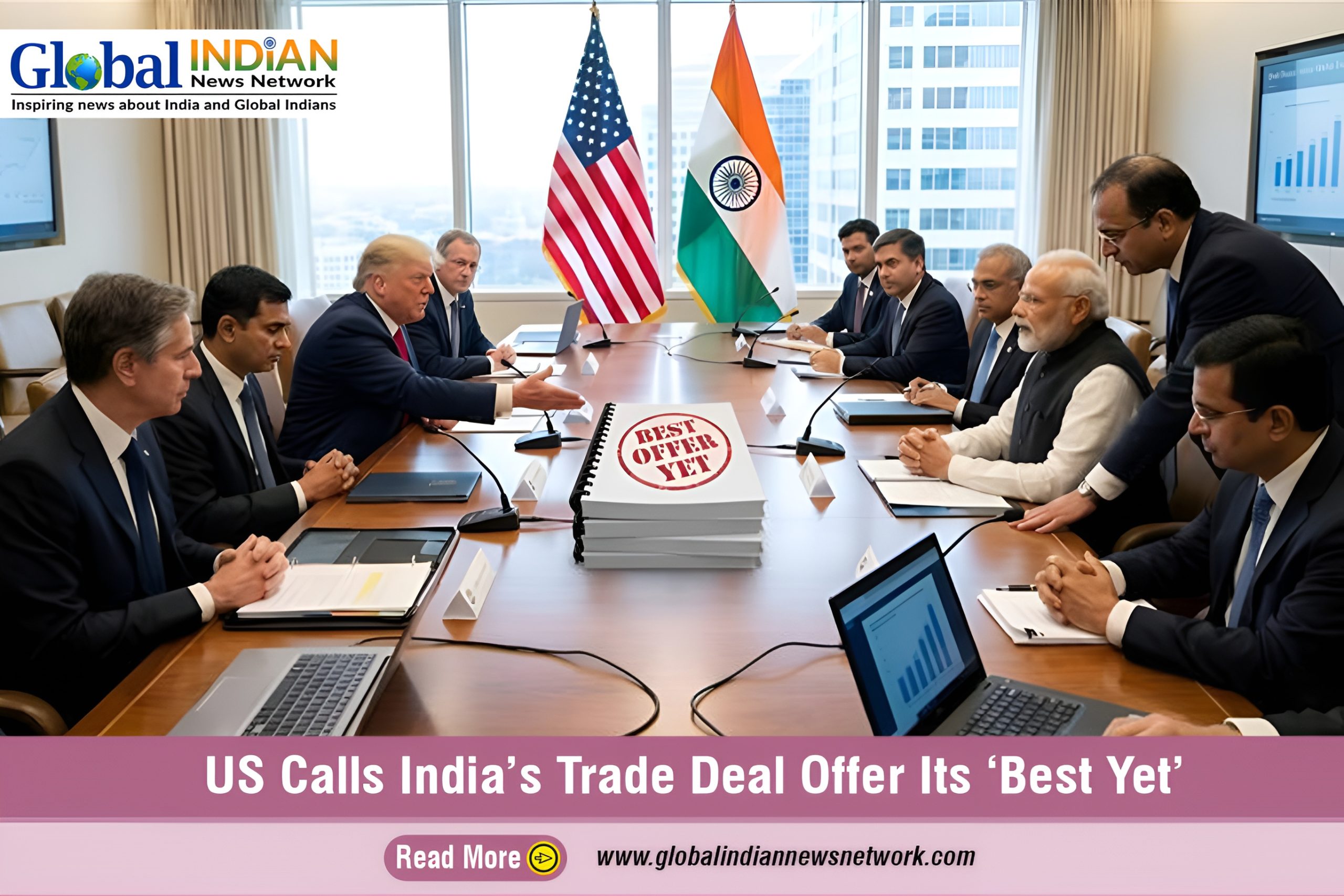
 The United States is pressing ahead with trade negotiations with India, with senior US officials signaling rare optimism about the latest proposals coming from New Delhi. The US Trade Representative Jamieson Greer told lawmakers that India has presented “the strongest offers we’ve ever received as a country,” particularly in talks centered on giving American farmers wider access to the Indian market. Key areas of discussion include expanding entry for crops such as soy and grain sorghum.
This progress comes even as President Donald Trump escalated tensions on Tuesday by threatening new duties on Indian rice, accusing India of flooding the American market. Washington already imposes a hefty 50% tariff on rice imported from India, the steepest rate levied on any nation.
Addressing senators during a Senate Appropriations subcommittee hearing, Greer confirmed that a US delegation is currently in New Delhi working through agricultural sticking points. While India remains protective about a few crops, he said the tone of negotiations reflects an unusual willingness to reconsider long-standing limits. “They’ve become far more proactive,” he noted.
Greer also emphasized that India could serve as an important alternative destination for US commodities at a time when American farmers are navigating large stockpiles and unpredictable Chinese demand. “We have to build manageable, reliable trade channels,” he added.
He explained that the talks fit into Washington’s broader shift in trade strategy, with the US simultaneously working to open markets in regions such as Southeast Asia and Europe. Such momentum, he argued, strengthens America’s negotiating leverage with major partners, including India, while giving farmers “steady, structural access” to more buyers.
Beyond agriculture, both countries are exploring tariff issues and broader market access commitments. On zero-duty treatment for civil aviation components under the 1979 Aircraft Agreement, Greer said discussions are “well advanced,” noting that the US could offer reciprocal terms if India matches those concessions.
Committee Chair Jerry Moran also pointed to India as a potential purchaser of ethanol made from US corn and soy, though Greer did not provide figures. He highlighted that multiple partners, including the European Union, have already opened their energy and ethanol markets to the US, with commitments totaling hundreds of billions of dollars.
Meanwhile, Trump’s comments have injected uncertainty into an already prolonged negotiation cycle. Prem Garg, who heads the Indian Rice Exporters Federation, stated that India’s rice exports to the US comply with WTO standards and bilateral norms. He explained that India ships only basmati varieties to America and that the steep 50% tariff has not hurt farmers due to the limited nature of these exports.
The renewed tariff threat also lands as the US Supreme Court reviews whether Trump exceeded his authority under the International Emergency Economic Powers Act in imposing broad trade duties.