 US President Donald Trump’s announcement of sweeping prescription drug price cuts under a “Most Favoured Nation” (MFN) policy has brought India’s pharmaceutical sector into sharp focus, as the United States plans to benchmark domestic drug prices against those paid in other countries.
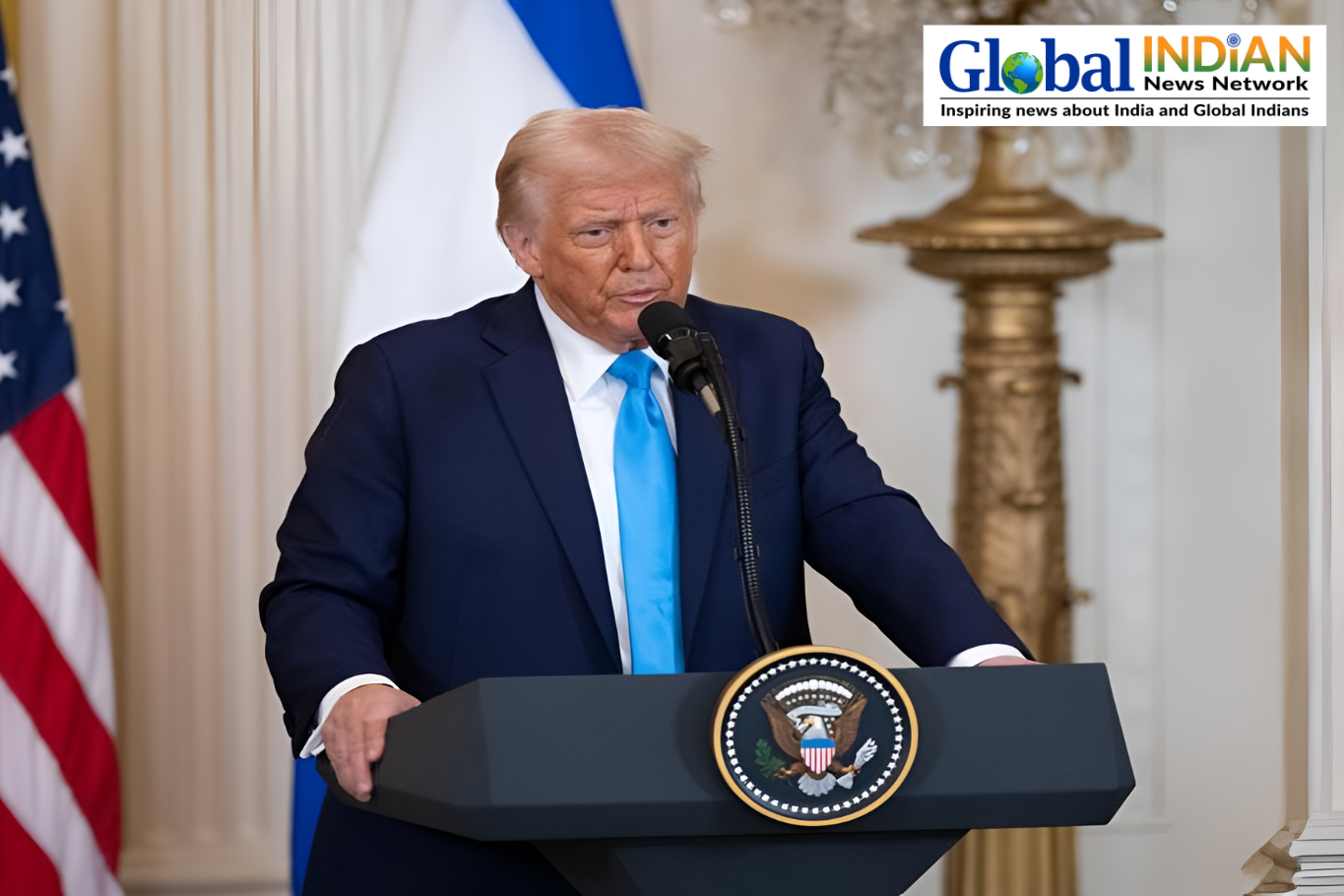
Addressing the nation on Wednesday, Trump said his administration negotiated sharp reductions in drug prices by directly confronting pharmaceutical companies and foreign governments. He claimed the policy would slash prices by up to 400–600 per cent and reverse decades of rising drug costs in the US.
The MFN policy aims to link US drug prices to the lowest prices paid globally. Trump said the first round of price reductions will take effect in January and be accessible through a new government platform, TrumpRx.gov.
Indian pharmaceutical companies play a critical role in supplying affordable medicines to the US and are deeply integrated into American healthcare supply chains. Trump’s remarks indicated that trade tools, including the threat of tariffs, could be used to pressure foreign countries to absorb part of the cost of lower US drug prices.
The development raises key questions for Indian drugmakers, particularly on whether pricing pressure will fall mainly on branded medicines, generic drugs, or both. Indian firms supply a significant share of off-patent medicines in the US and have made substantial investments to meet stringent US regulatory standards.
Trump also criticised health insurance companies, arguing that lower drug prices would significantly reduce healthcare costs for American families. He reiterated his long-standing view that Americans have been subsidising lower drug prices abroad.
As the US moves to reset healthcare pricing, Indian pharmaceutical companies may face tighter margins while continuing to serve as a cornerstone of affordable medicine supply to the American market.