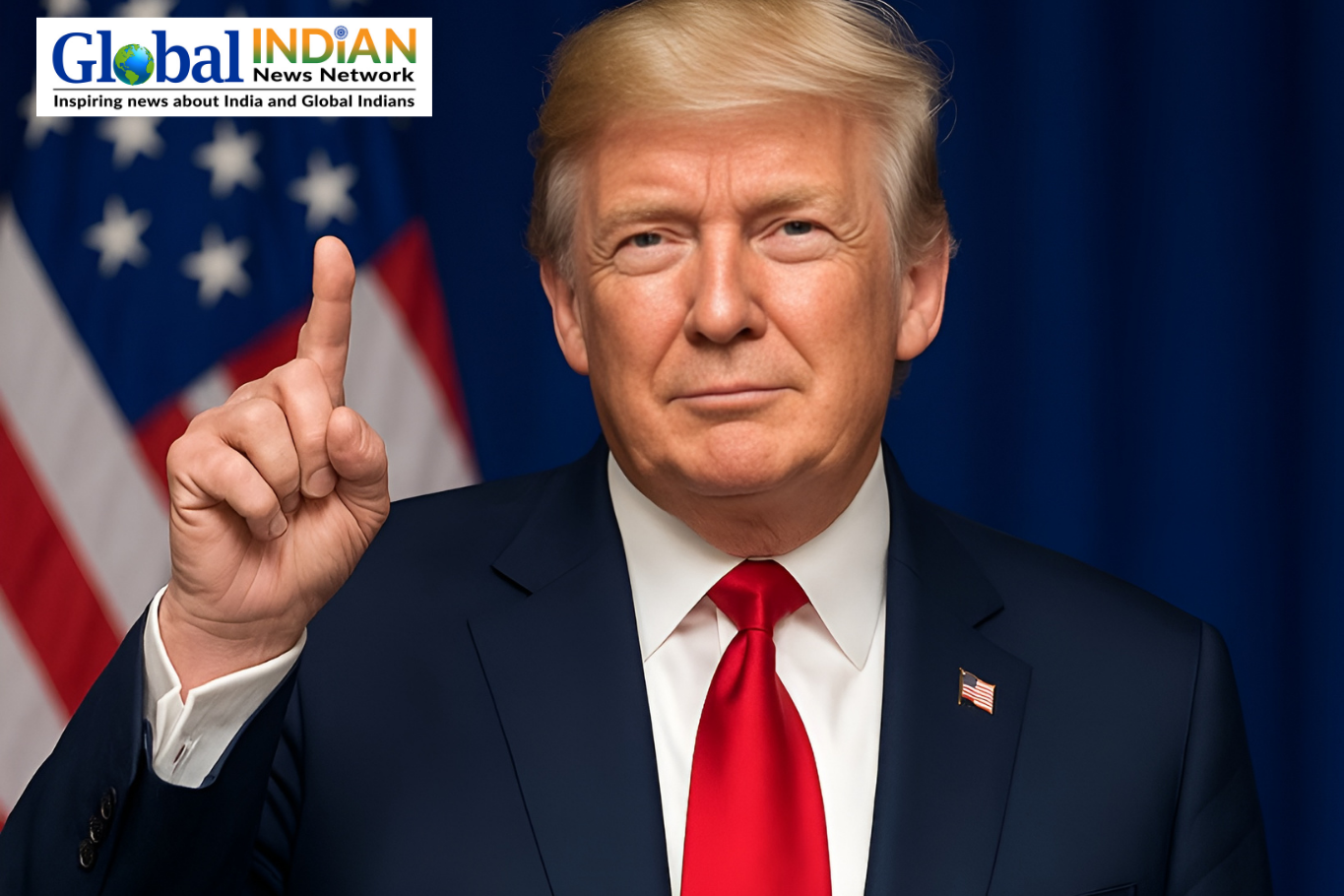
 During his campaigns, President Donald Trump often described himself as “very greedy,” claiming he had always sought financial gain but promising to channel that drive toward the United States if elected. However, in office, his administration blurred lines between lobbying and potential favoritism, even as it maintained no wrongdoing occurred.
A recent investigation by The New York Times revealed that six prominent Indian-American executives and the companies they lead were significant contributors to Trump’s 2025 campaign. Their donations appeared to coincide with distinct benefits, highlighting the transactional nature of political fundraising. The report noted that presidential pardons, favorable policies, and high-level appointments were among the perks received by some donors.
MAGA Inc., a super PAC supporting Trump, collected the largest share of donations, while additional funds flowed to entities like America250, which commemorates the US 250th anniversary. Notable contributions included $3.5 million from Microsoft CEO Satya Nadella, who gained private dinner invitations and eased AI compliance regulations for his company. Google CEO Sundar Pichai donated $1.2 million and later saw the resolution of a longstanding legal dispute after the company contributed $24.5 million to a Trump project.
Other major Indian-American donors included Adobe CEO Shantanu Narayen ($1 million), Micron Technology CEO Sanjay Mehrotra ($1 million), and IBM CEO Arvind Krishna ($750,000). These executives received personal access to Trump, exclusive meetings, and favorable administration decisions benefiting their businesses. Anjani Sinha, a Bihari orthopedic surgeon, also contributed and was appointed as US ambassador to Singapore despite questions about his qualifications.
The investigation found that nearly 200 top-level donors obtained tangible benefits ranging from pardons and softened legal action to government contracts and senior appointments. While the Trump administration denies any direct quid pro quo, the NYT report underscores the unprecedented scale of post-inauguration fundraising and the strong alignment between substantial donations and presidential actions.