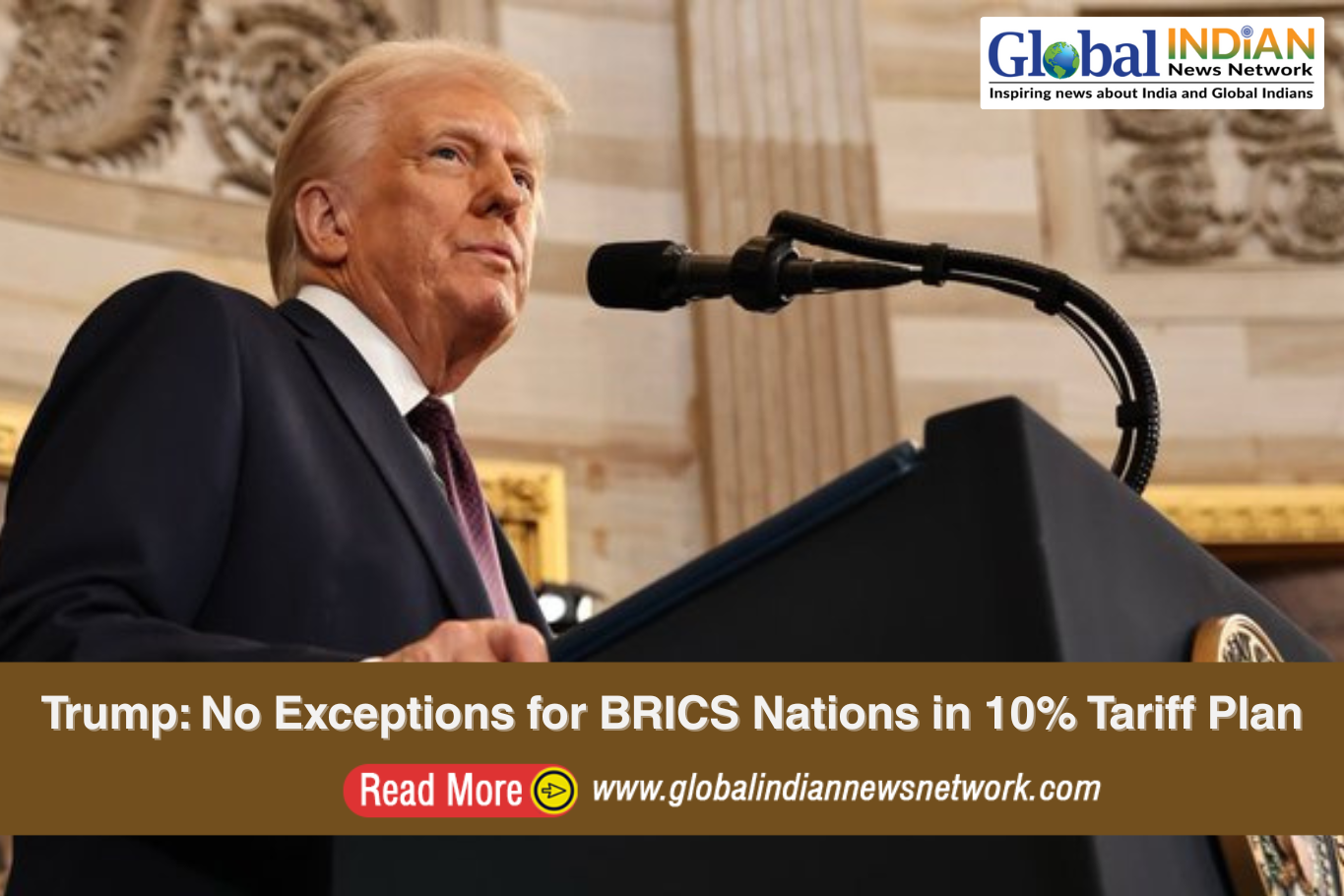
In a dramatic escalation of trade tensions, US President Donald Trump announced a new tariff policy on Sunday, stating that countries aligning themselves with the BRICS bloc and its so-called “anti-American” stance will face a 10% surcharge on exports to the United States. The move comes as global leaders from BRICS convene in Rio de Janeiro for the 17th annual summit, signaling the growing economic clout of the expanded alliance.
Trump made the announcement through a post on Truth Social, declaring, “Any country aligning themselves with the Anti-American policies of BRICS will be charged an ADDITIONAL 10% Tariff. There will be no exceptions to this policy.”
While Trump did not specify which countries might be targeted, the timing coincides with heightened attention on the BRICS summit. The group—originally comprising Brazil, Russia, India, China, and South Africa—has recently expanded to include Saudi Arabia, the UAE, Egypt, Iran, Ethiopia, and Indonesia. Their agenda at the summit has grown increasingly critical of US-led trade practices.
Sources close to the White House suggest that Trump’s new policy is a preemptive countermeasure to what Washington views as an emerging challenge to American economic leadership. The BRICS bloc, in its joint declaration, has condemned unilateral tariff increases and trade barriers, calling such practices harmful to global commerce. They stated that arbitrary tariff hikes and protectionism—often disguised as environmental regulations—threaten to destabilize international markets and choke supply chains.
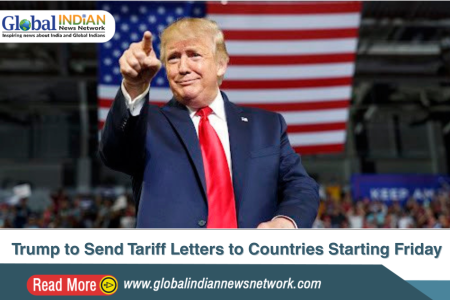
In a follow-up post, Trump confirmed that his administration will begin distributing official letters to governments on Monday. These communications will outline the revised tariff structures and list any changes to existing trade arrangements that may be affected by the new directive.
The measure has stirred international concern, especially among nations with growing strategic and economic links to the BRICS bloc. Analysts suggest that this policy could disrupt longstanding partnerships and invite retaliatory trade actions from impacted nations. Observers also believe it could complicate US relations with key developing economies, many of which are leaning toward BRICS as an alternative to traditional Western-dominated economic platforms.
As geopolitical and economic alliances shift, Trump’s aggressive tariff policy signals a hardened stance against the rise of multipolar global power structures—underscoring his administration’s intention to retain American economic primacy.