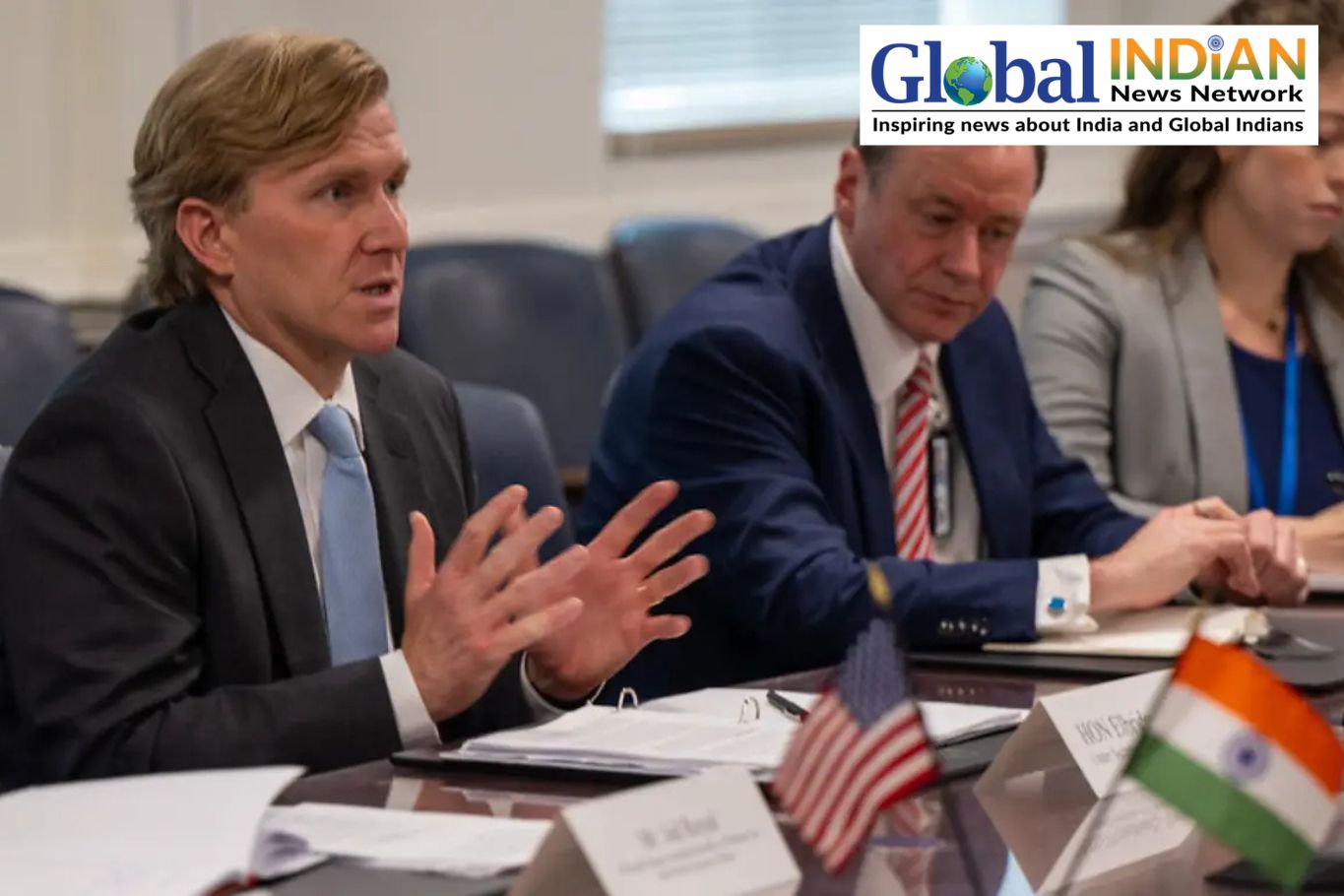
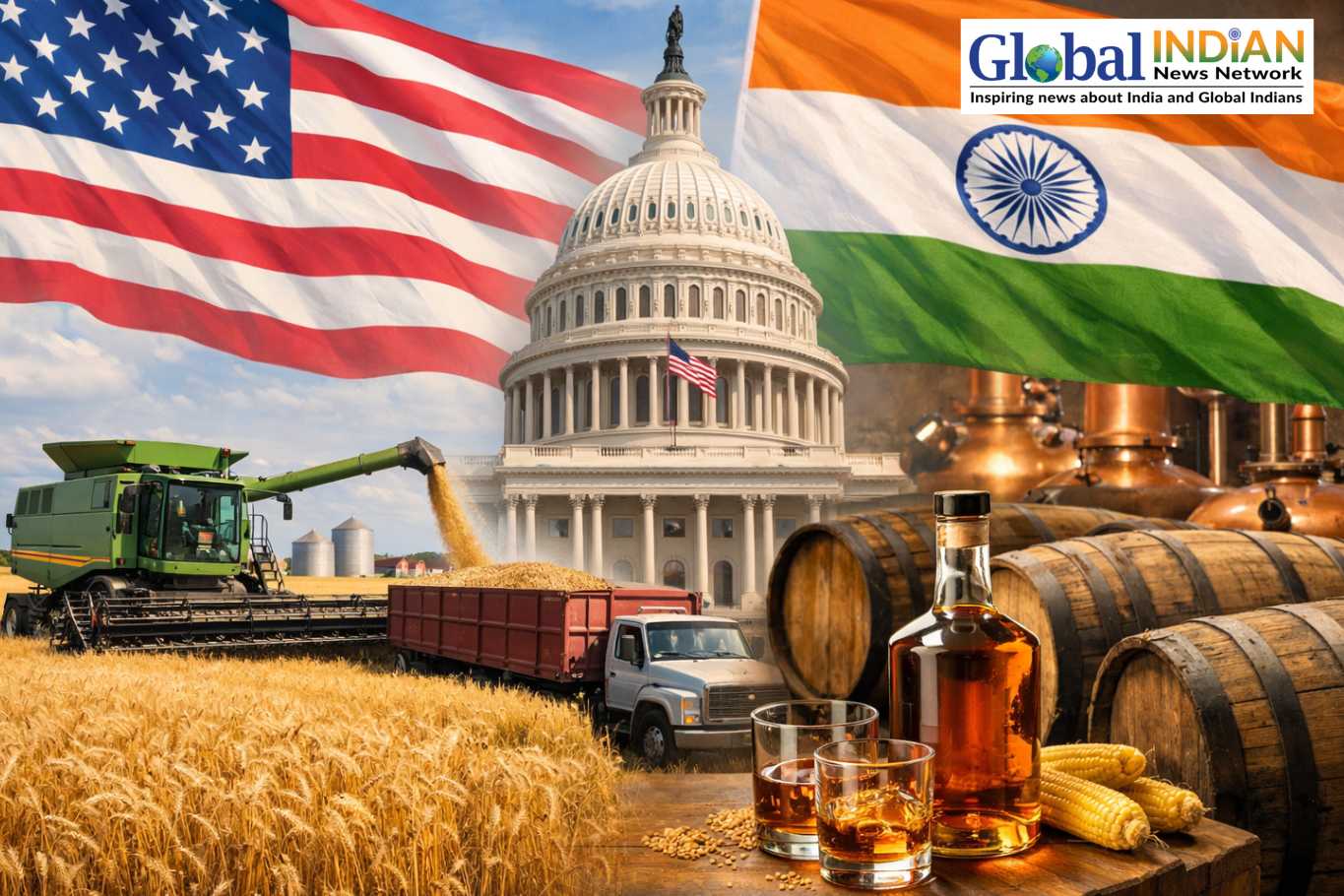
 A recently unveiled trade framework between the United States and India is drawing enthusiastic support from American legislators, particularly those representing regions tied to agriculture and distilled spirits. Early indications suggest that farmers in Kansas and bourbon producers in Kentucky stand to benefit significantly as India expands access to key US goods.
Representative Derek Schmidt of Kansas described the agreement as closely aligned with priorities he raised with federal trade officials last year. He had pushed for greater entry for grain sorghum, dried distillers’ grains, and soybean-based products into the Indian market. According to Schmidt, India’s growing demand and shifting global trade dynamics make this opening especially critical for Kansas producers.
Schmidt emphasized that he had pressed the US Trade Representative in May to focus on commodities central to his state’s economy. He expressed satisfaction that all three of these products were ultimately included in the final deal. Kansas remains the nation’s leading producer of grain sorghum and a major supplier of dried distillers’ grains used in livestock feed. The state also hosts important soybean processing facilities, underscoring the local economic stakes of the agreement.
With rural economies facing persistent pressure, Schmidt framed the development as timely relief. He pledged to continue advocating for policies that expand export opportunities, stabilize farm incomes, and support agribusiness across Kansas.
In Kentucky, Representative Andy Barr hailed the framework as a potential game-changer for the state’s iconic bourbon industry. As a leader of both the Congressional Bourbon Caucus and the India Caucus, Barr has long championed efforts to lower trade barriers. He credited previous tax reforms and regulatory changes with strengthening US distillers and now sees India as a major new growth market.
Industry leaders echoed his optimism. Michael Bilello of the American Whiskey Association said that reducing Indian tariffs on American spirits would benefit not just distillers but also farmers, suppliers, and distributors throughout the production chain. He singled out Barr for consistent advocacy on behalf of US whiskey.
The Distilled Spirits Council also welcomed the framework, noting that India had already begun lowering duties on US spirits in recent years. The group described those earlier moves as a crucial first step and expressed hope that the latest agreement would ensure more predictable and competitive conditions for American brands in what it called the world’s largest whiskey-consuming nation.
India previously cut its tariff on US bourbon from 150 per cent to 100 per cent in February 2025, a change linked to negotiations during Donald Trump’s presidency. During that period, Congress also passed legislation easing tax and financing rules for craft distillers, further strengthening the sector.
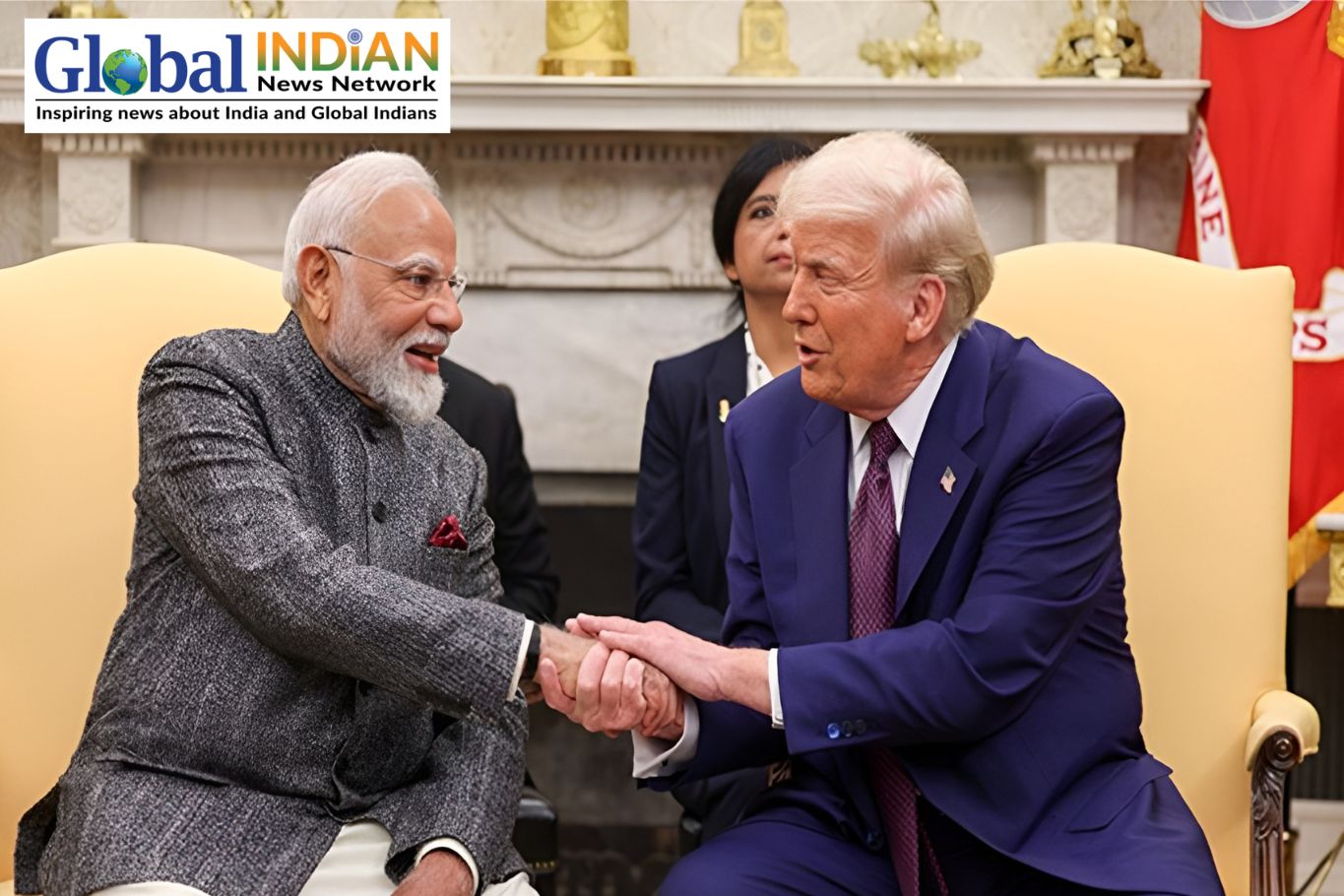
More broadly, the new trade framework reflects a shared effort by Washington and New Delhi to deepen economic ties amid shifting global supply chains. Both governments have signaled their intent to build toward a more comprehensive bilateral trade agreement, using sector-specific breakthroughs in agriculture and spirits as a foundation for future cooperation.