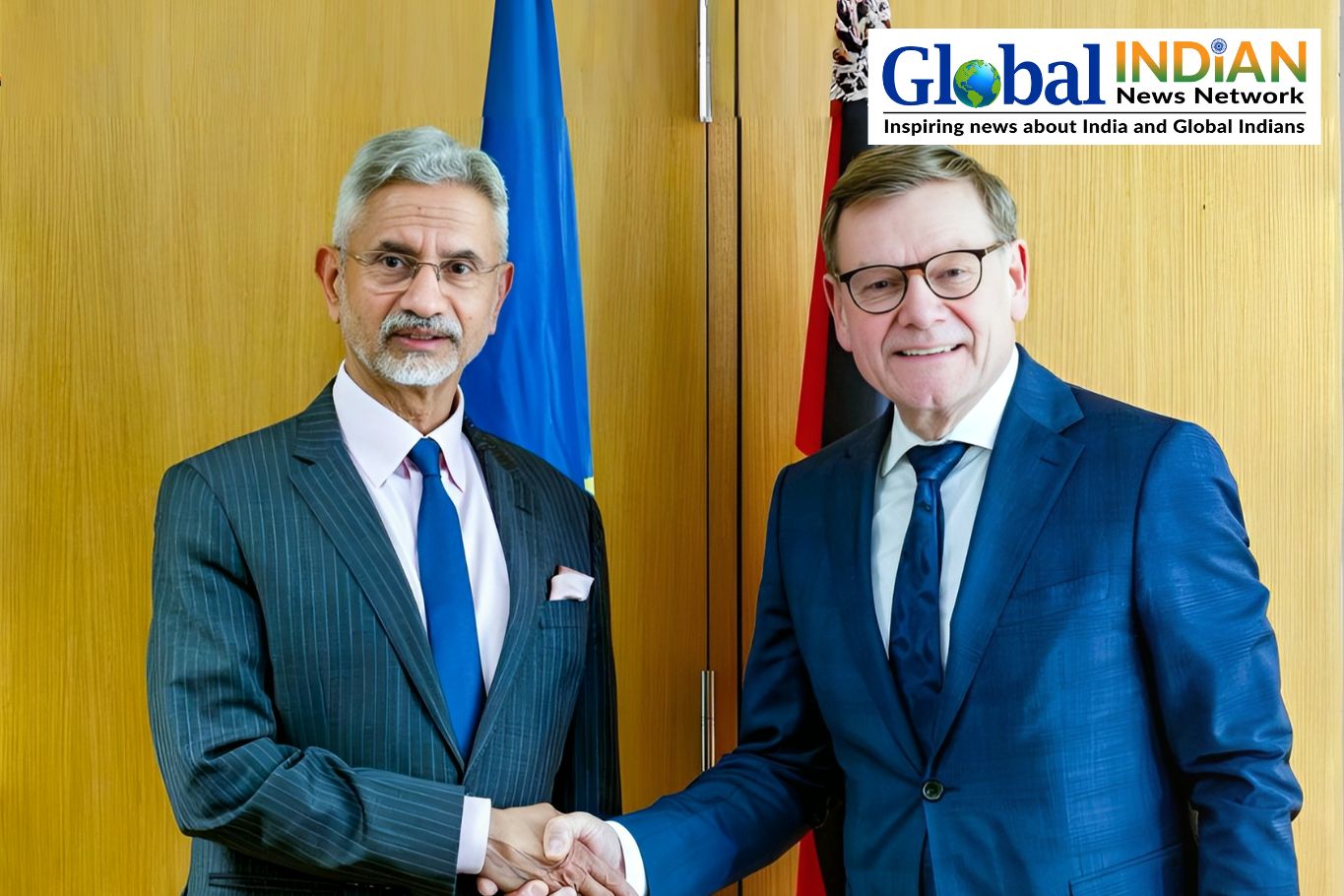
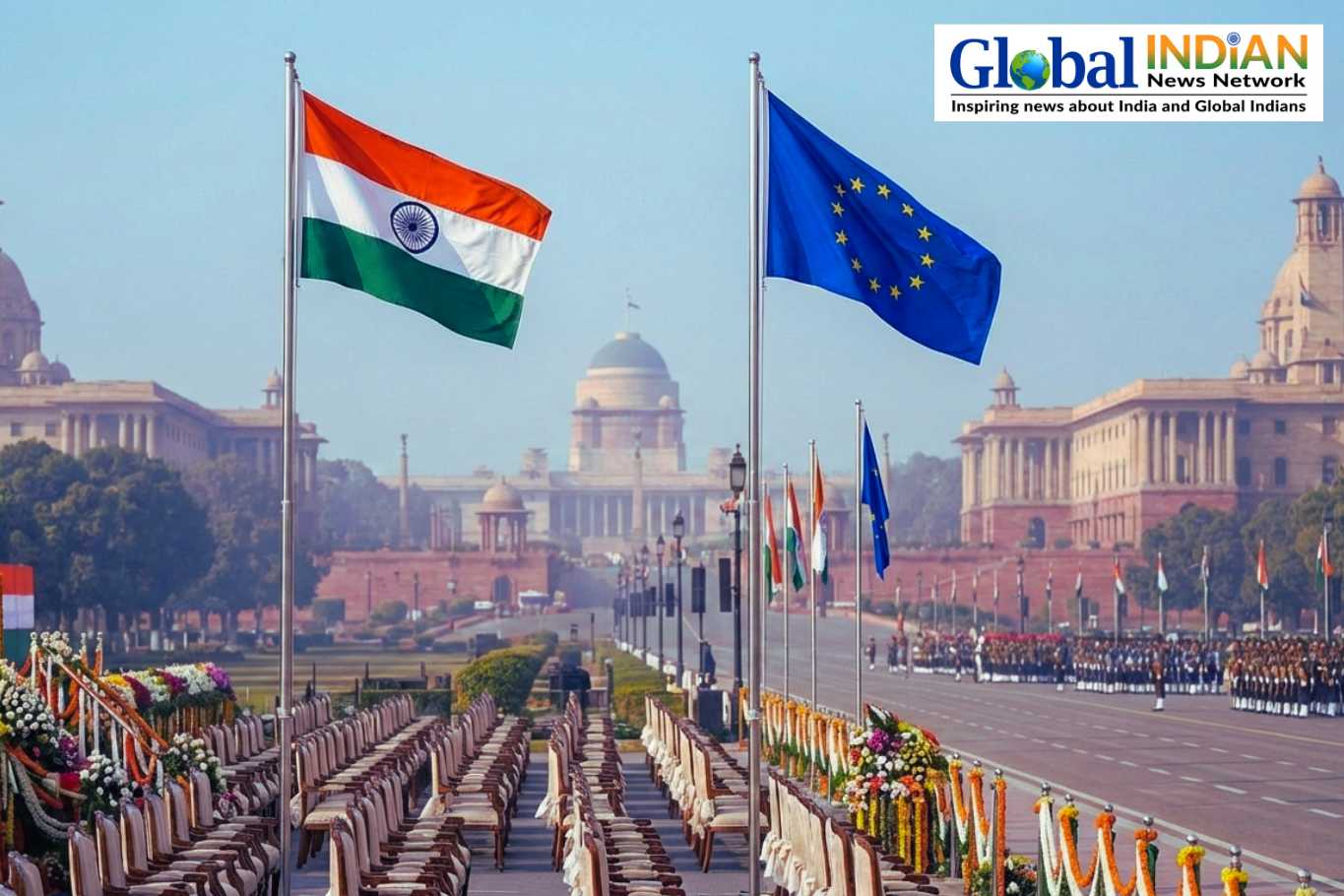
 The European Union’s top leadership will visit India as chief guests for the 77th Republic Day, coinciding with the much-anticipated India-EU summit. The visit comes as both Delhi and Brussels confirm that negotiations on a Bilateral Trade Agreement (BTA) are nearing completion, with most chapters finalized and only a few remaining areas of discussion.
Originally launched in 2007 and relaunched in 2022, EU-India trade talks were accelerated in February 2025 during European Commission President Ursula von der Leyen’s visit. The planned agreement aims to strengthen trade while also elevating the long-standing strategic partnership first formalized in 2004. The summit will include discussions on the Indo-Pacific, clean energy transition, security, defence, and people-to-people cooperation.
EU Council President António Costa emphasized India’s importance as a partner in maintaining a rules-based international order and noted that the meetings would be a key opportunity to reinforce collaboration and mutual interests. The EU delegation will witness the Republic Day parade on January 26, followed by the India-EU summit and a business forum on January 27, highlighting growing bilateral ties.
Commerce Secretary Rajesh Agrawal confirmed that out of 24 chapters of the trade negotiations, 20 have been concluded. He noted that ongoing discussions are limited to sensitive agricultural products, which will remain off the table for now. These include items such as wine, dairy, meat, and processed foods—areas that could face political resistance in both India and EU member states.
The focus on sensitive agricultural items comes amid European trade challenges, including France’s recent protests over the MERCOSUR agreement, which could influence France’s stance in India-EU negotiations. Officials also indicated that French concerns may be raised during the upcoming AI summit in Delhi when President Emmanuel Macron visits, particularly regarding market access for certain Indian exports.
The Republic Day visit by EU leaders is expected to not only mark a historic diplomatic engagement but also signal the strengthening of India-EU economic and strategic ties, setting the stage for enhanced trade, cooperation, and collaboration in priority sectors.