 The Somnath Temple continues to stand as a powerful symbol of India’s unbroken civilisational spirit and the enduring resilience of Hindu faith, spiritual leaders and saints have said, highlighting its significance in India’s cultural and religious history.
The renewed focus on Somnath comes as Prime Minister Narendra Modi prepares to participate in the Somnath Swabhiman Parv, marking a millennium since the first recorded attack on the sacred shrine. In a recent reflection, the Prime Minister described Somnath as a living testament to India’s indomitable spirit, noting that while invaders sought to erase its existence, faith and conviction ensured its revival time and again.
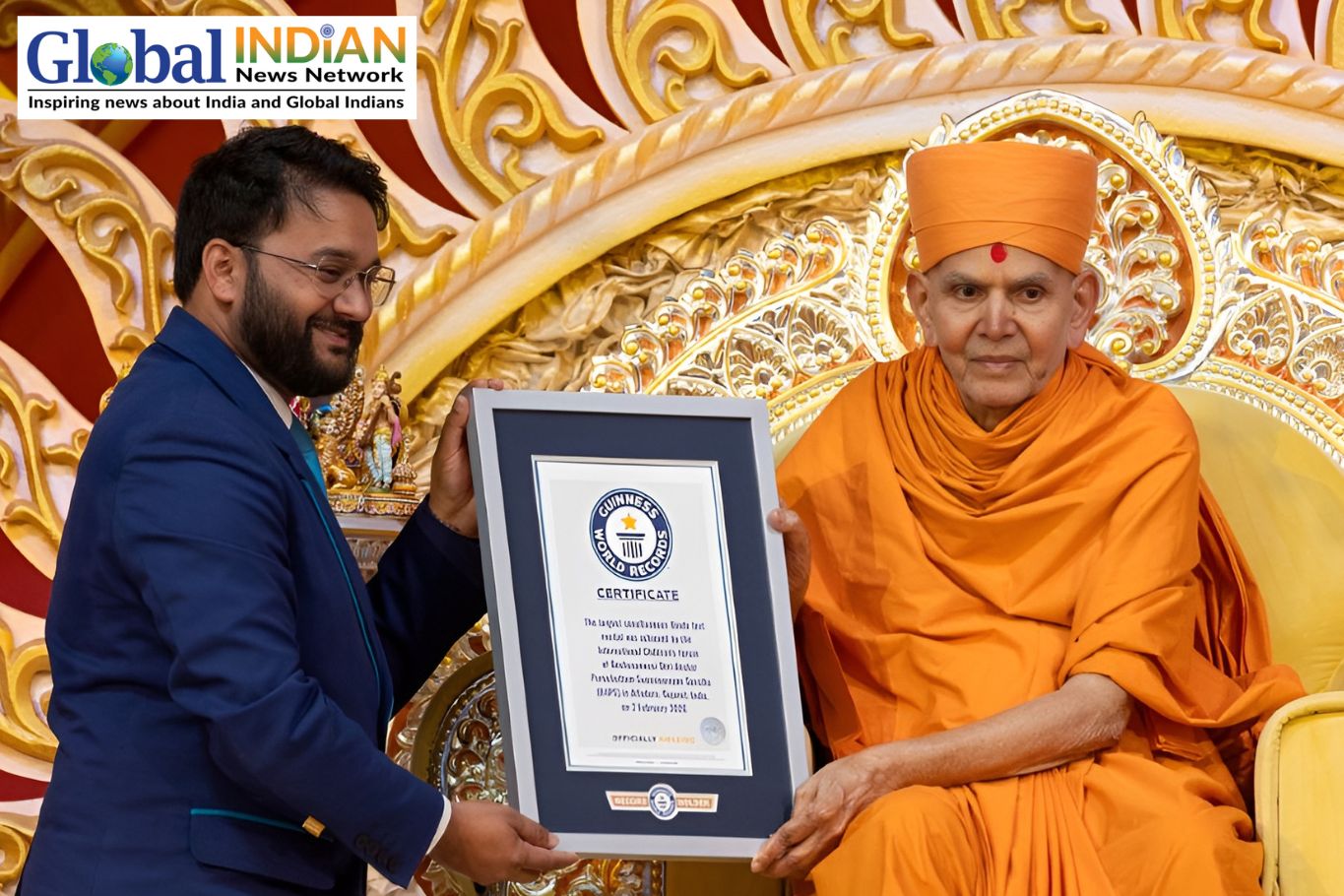
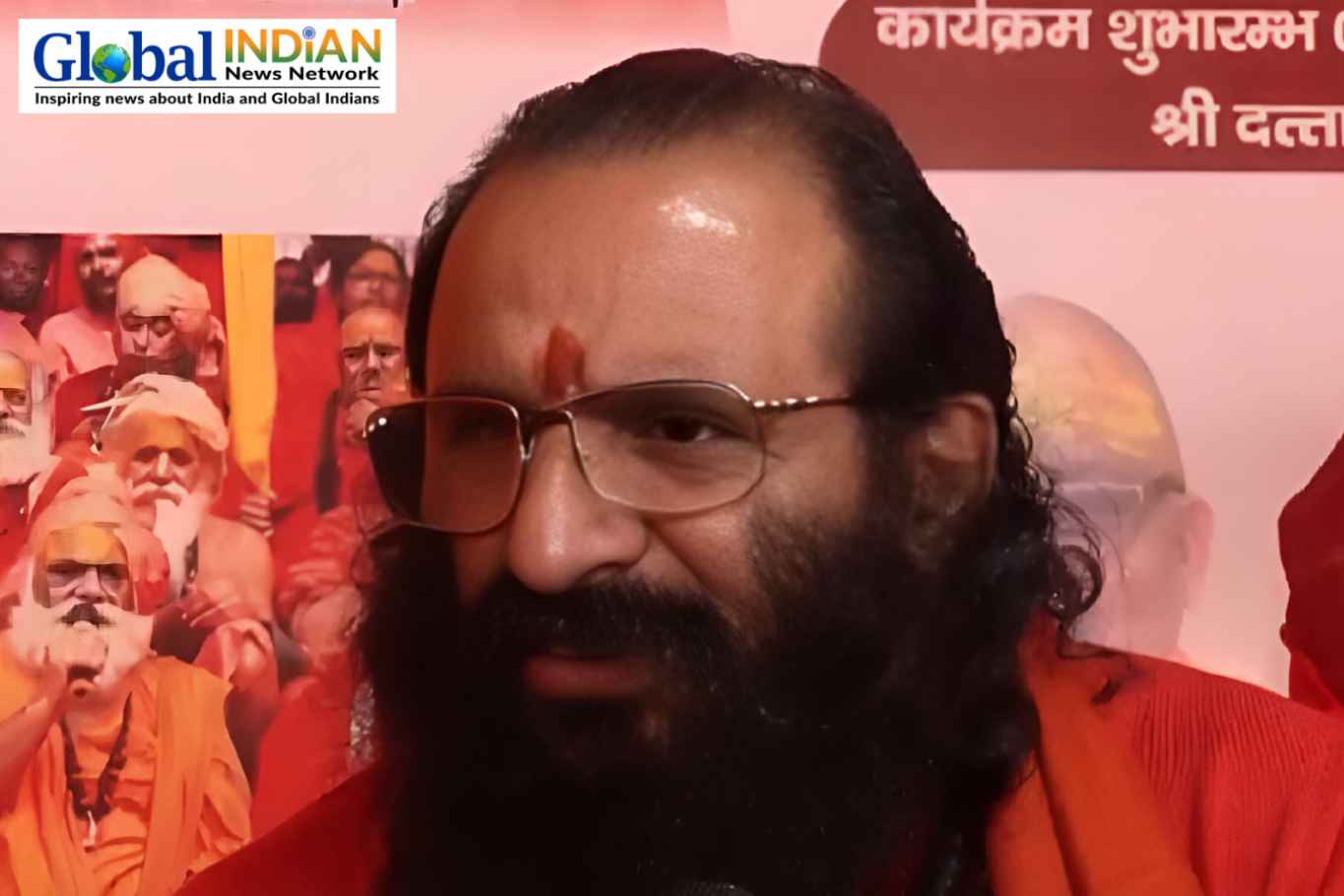
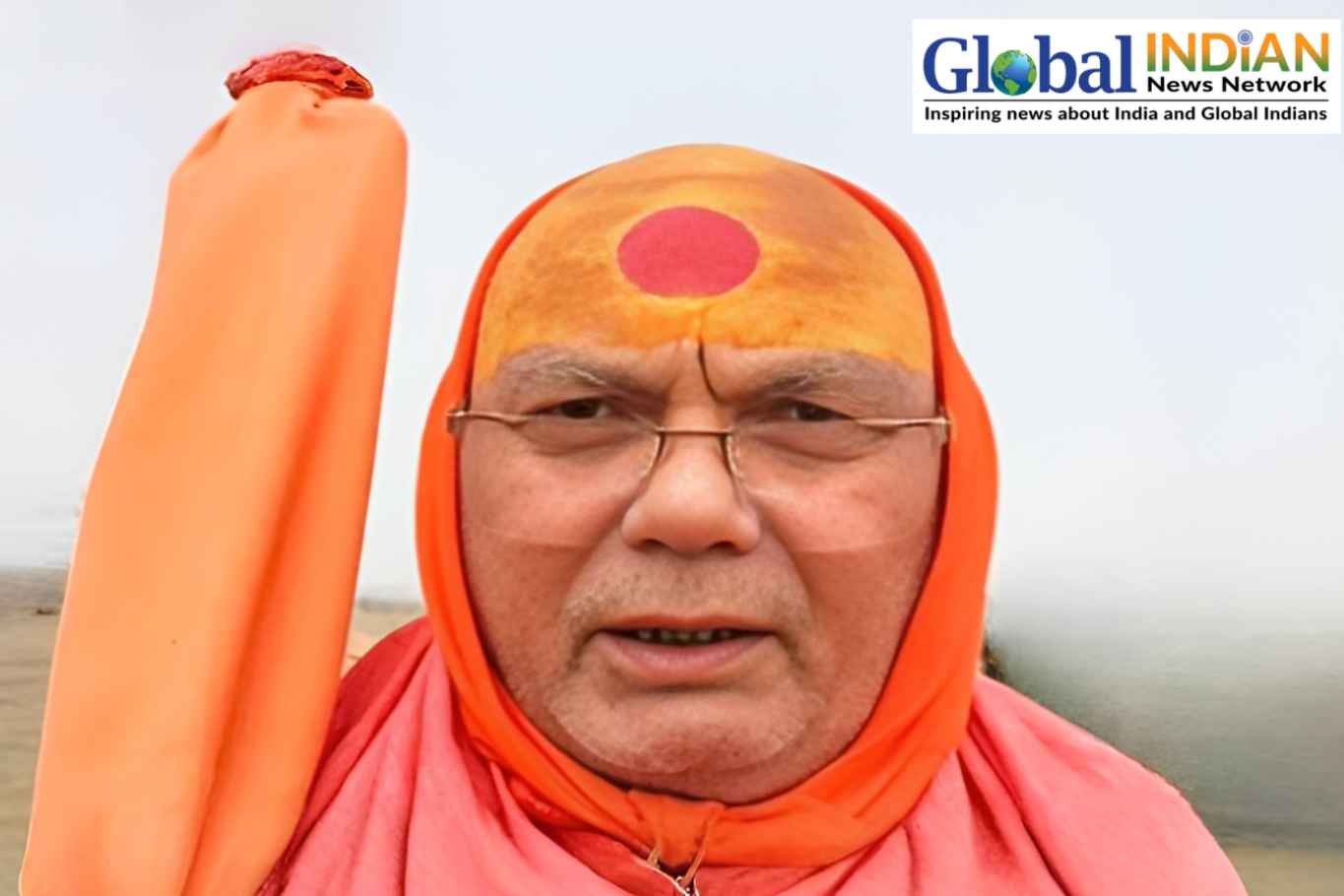
Hindu seers emphasised that Somnath represents more than a place of worship; it symbolises the continuity of Hindu civilisation despite repeated attempts at destruction. Spiritual leaders noted that the temple’s survival through centuries of adversity reflects the strength of belief, tradition, and cultural memory that has sustained Indian society.
Saints and religious scholars also underlined the responsibility of modern governance in protecting and preserving India’s spiritual heritage. They praised ongoing efforts to restore and revitalise major pilgrimage centres, stating that such initiatives reaffirm the civilisational confidence of the nation and reconnect generations with their historical roots.
Several spiritual leaders drew attention to the broader revival of sacred sites across the country, describing them as expressions of cultural self-respect rather than political statements. They said the restoration of temples like Somnath reinforces the idea that India’s spiritual legacy is an asset that strengthens national identity.
The narrative surrounding Somnath, they added, serves as a reminder that while forces of destruction may leave temporary scars, enduring values rooted in faith and tradition continue to rebuild and inspire. The temple’s presence today stands as a symbol of hope, resilience, and continuity — a message that resonates beyond religion and reflects the enduring spirit of Indian civilisation.