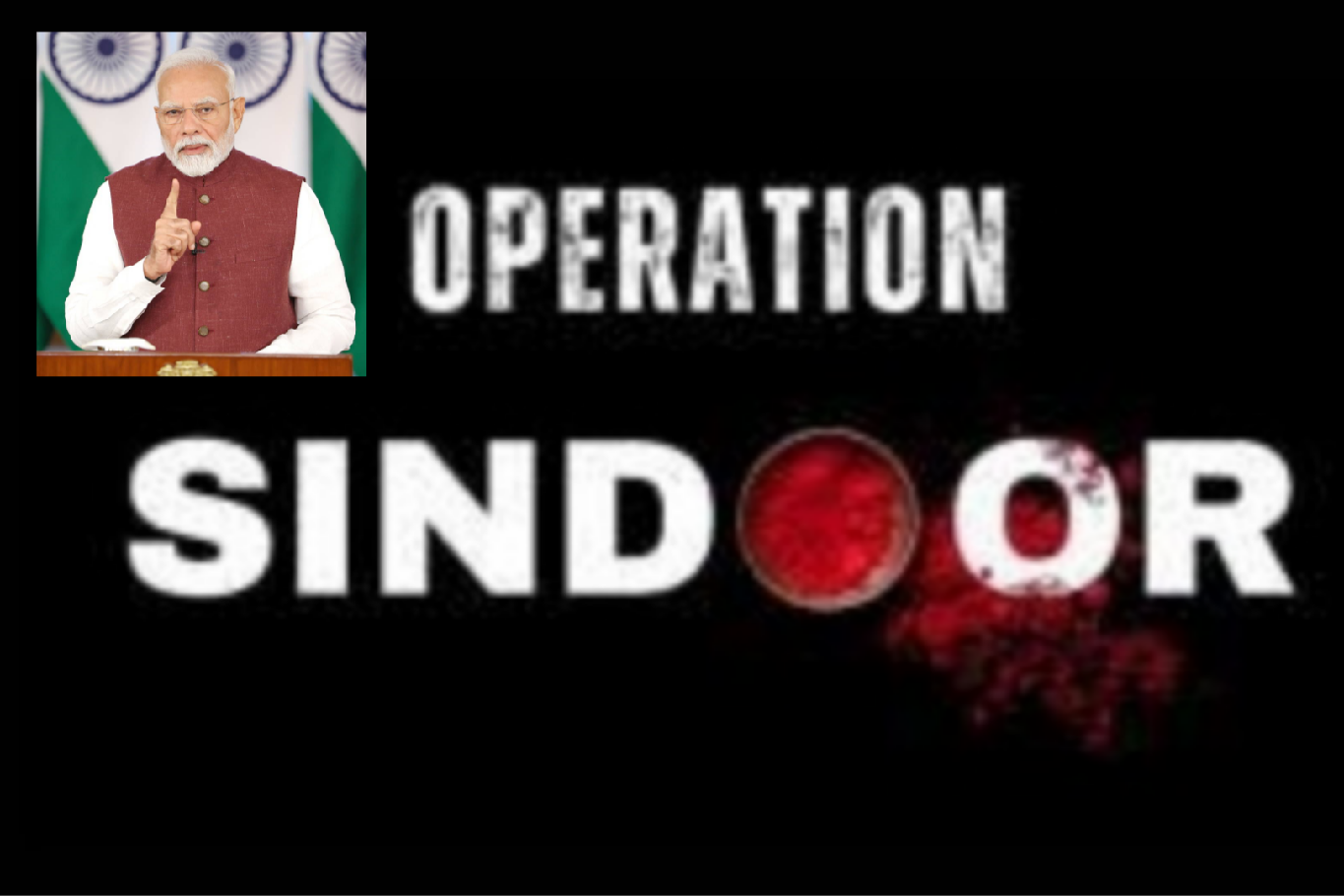
The Union Cabinet will convene today in New Delhi for its first full session under the chairmanship of Prime Minister Narendra Modi, following the de-escalation of tensions with Pakistan. The meeting comes on the heels of the successful Operation Sindoor and the ceasefire agreement announced on May 10, signaling a critical moment in shaping India’s post-conflict national strategy.
The operation was launched in response to the April 22 terrorist attack in Pahalgam, which targeted tourists and triggered a swift escalation. Over the course of three intense days, the Indian Air Force carried out a series of airstrikes that reportedly decimated 11 Pakistani airbases, altering the military balance in the region.
Diplomatic efforts to contain the conflict culminated in a ceasefire announcement, first declared by US President Donald Trump. American sources indicate that US Vice President J.D. Vance and Secretary of State Marco Rubio were pivotal in maintaining communication with both Indian and Pakistani leadership, playing key roles in mediating an understanding between the two nations.
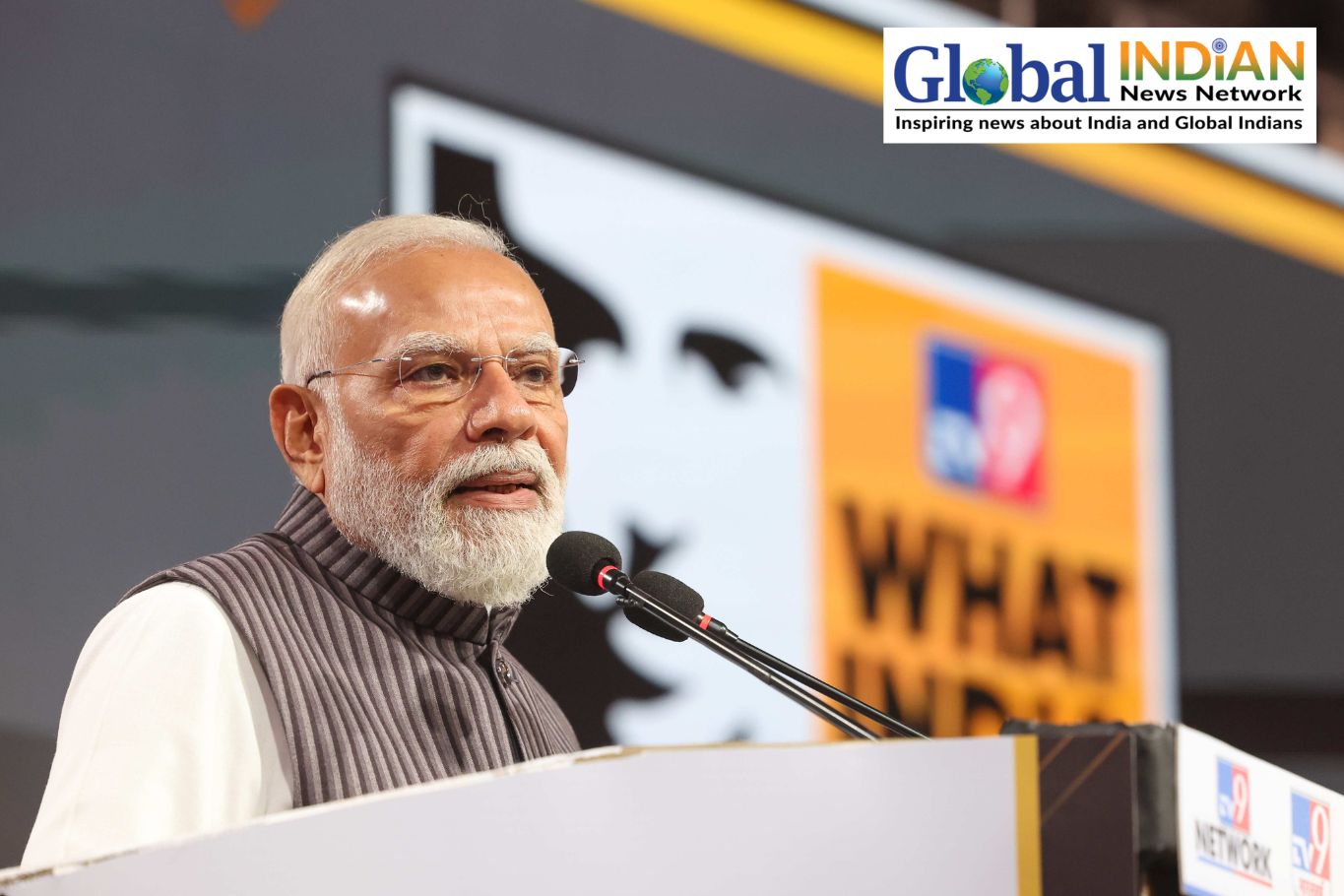
Despite acknowledging Washington’s involvement, Indian authorities have emphasized that Operation Sindoor was a decisive act of self-defense, with objectives achieved independently by Indian forces. On Monday, ahead of the Cabinet session, Prime Minister Modi hosted a high-level security meeting at his residence. The event was attended by key defence and intelligence figures, including Chief of Defence Staff General Anil Chauhan, Defence Minister Rajnath Singh, National Security Advisor Ajit Doval, External Affairs Minister S. Jaishankar, and the heads of the Army, Navy, and Air Force.
Today’s Cabinet discussion is expected to focus on consolidating the outcomes of Operation Sindoor, outlining India’s next moves on both military and diplomatic fronts. Key agenda items include ensuring sustained vigilance along the border, strategizing future engagement conditions with Pakistan, and enhancing outreach to the international community to affirm India’s position.
This Cabinet meeting could define India’s direction in maintaining regional stability while reinforcing national defense in the wake of a high-stakes conflict.