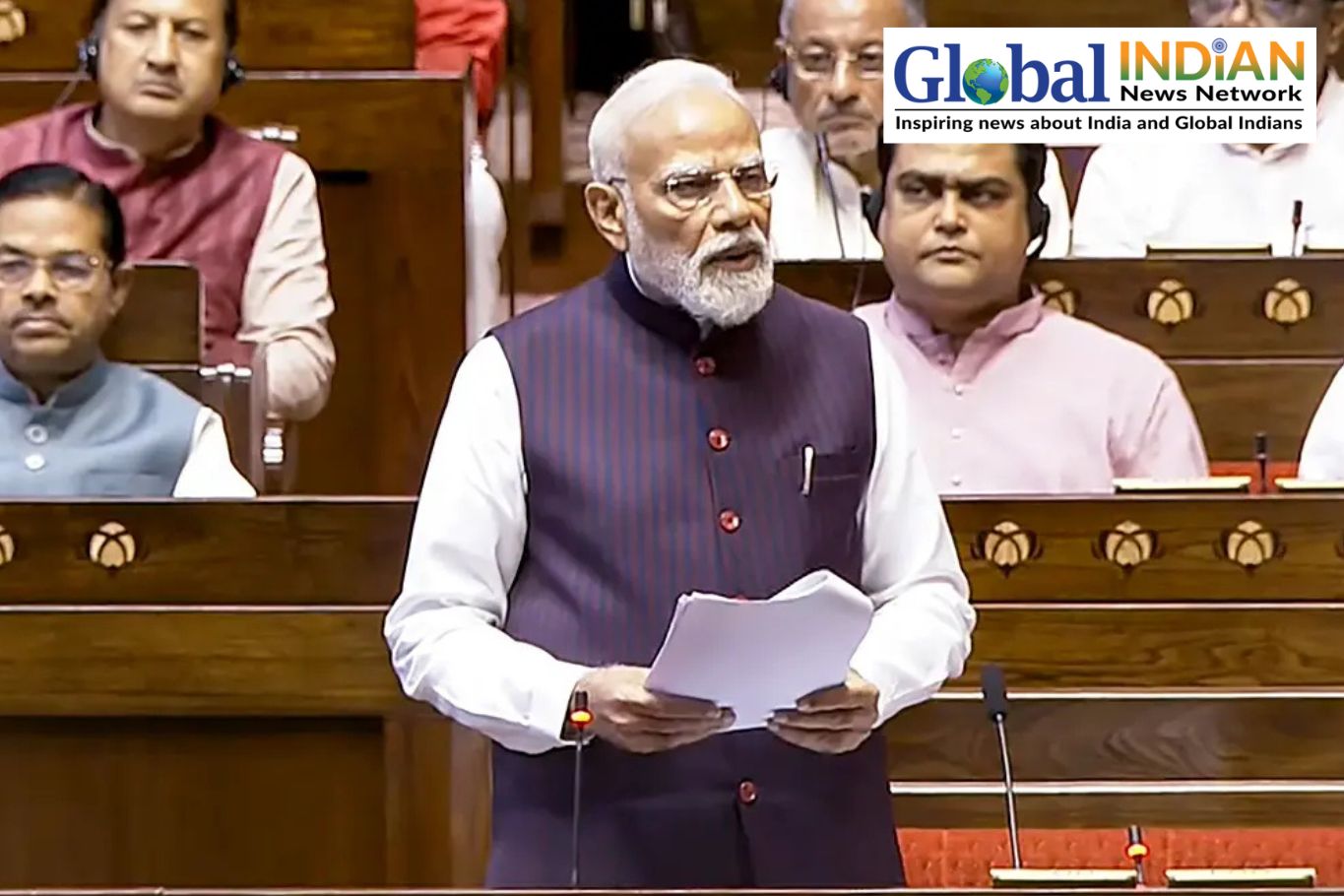
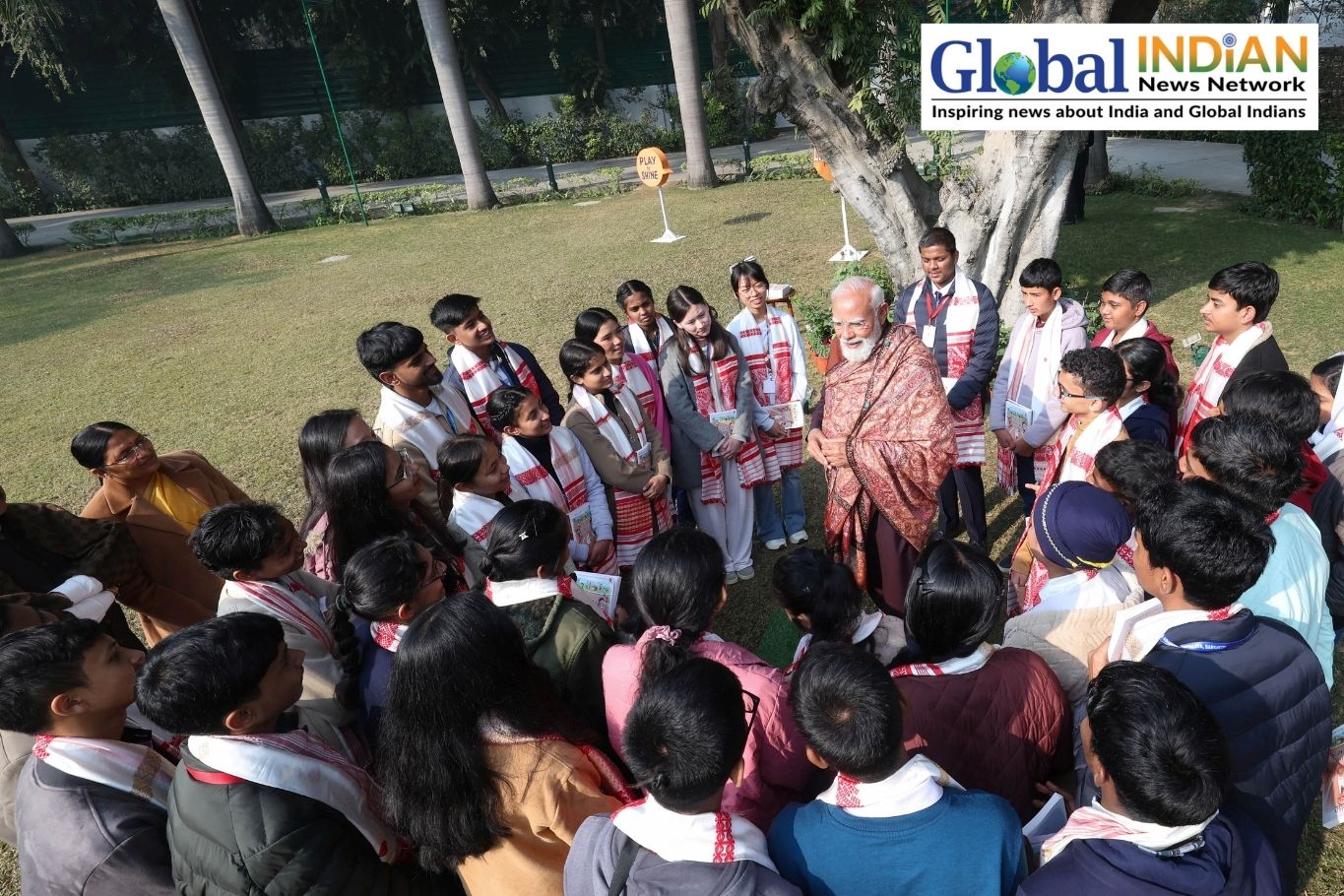
 Prime Minister Narendra Modi’s Pariksha Pe Charcha 2026 aired today, bringing together students, teachers, and parents across India. The session, a signature annual interaction, focused on empowering young learners to balance academic preparation with personal growth and self-discovery. PM Modi urged students to study beyond the syllabus and encouraged teachers to extend learning beyond textbooks. Highlighting the importance of dreaming, he stated that limiting one’s ambitions is akin to a personal crime.
Addressing the influence of the digital world, Modi cautioned against excessive screen time and mindless scrolling, emphasizing the importance of maintaining a healthy balance between online engagement and real-world learning. He reminded students that life skills are as critical as professional knowledge, advocating for holistic development alongside academic achievement.
A notable point during the interaction was Modi’s guidance on navigating advice. Sharing his own experiences as Prime Minister, he emphasized that everyone offers suggestions, but success comes from trusting one’s instincts and adopting only what aligns with one’s unique approach. In his words: “Suno sabki, karo dil ki,” meaning listen to all, but follow your heart.
PM Modi also addressed the pressures students face from an early age, including societal and parental expectations that often define success through scores, ranks, and entrance exams. He highlighted the importance of self-awareness, understanding individual strengths, personal rhythms, and limits, illustrating that effective learning varies from person to person.
On the topic of growth, the Prime Minister encouraged students to adapt and evolve while remaining true to their core values. He stressed that real learning comes from exploration, observation, experimentation, and the freedom to make choices—even to fail occasionally.
The broader takeaway of Pariksha Pe Charcha 2026 extends beyond students. PM Modi’s message was directed at parents, teachers, and society as a whole: guidance should illuminate the path without dictating the destination, fostering an environment where children can discover their potential, cultivate skills, and confidently shape their future.