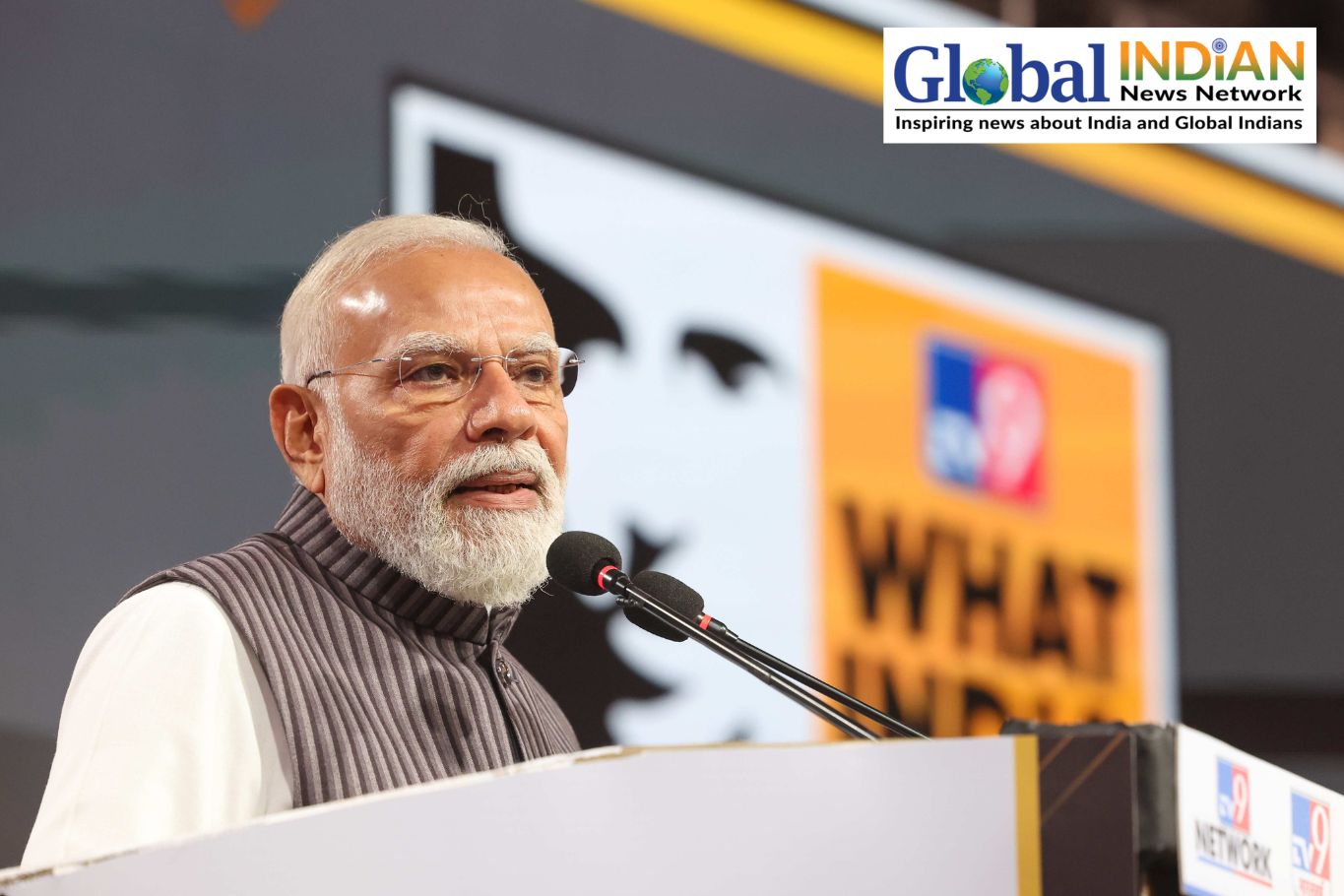
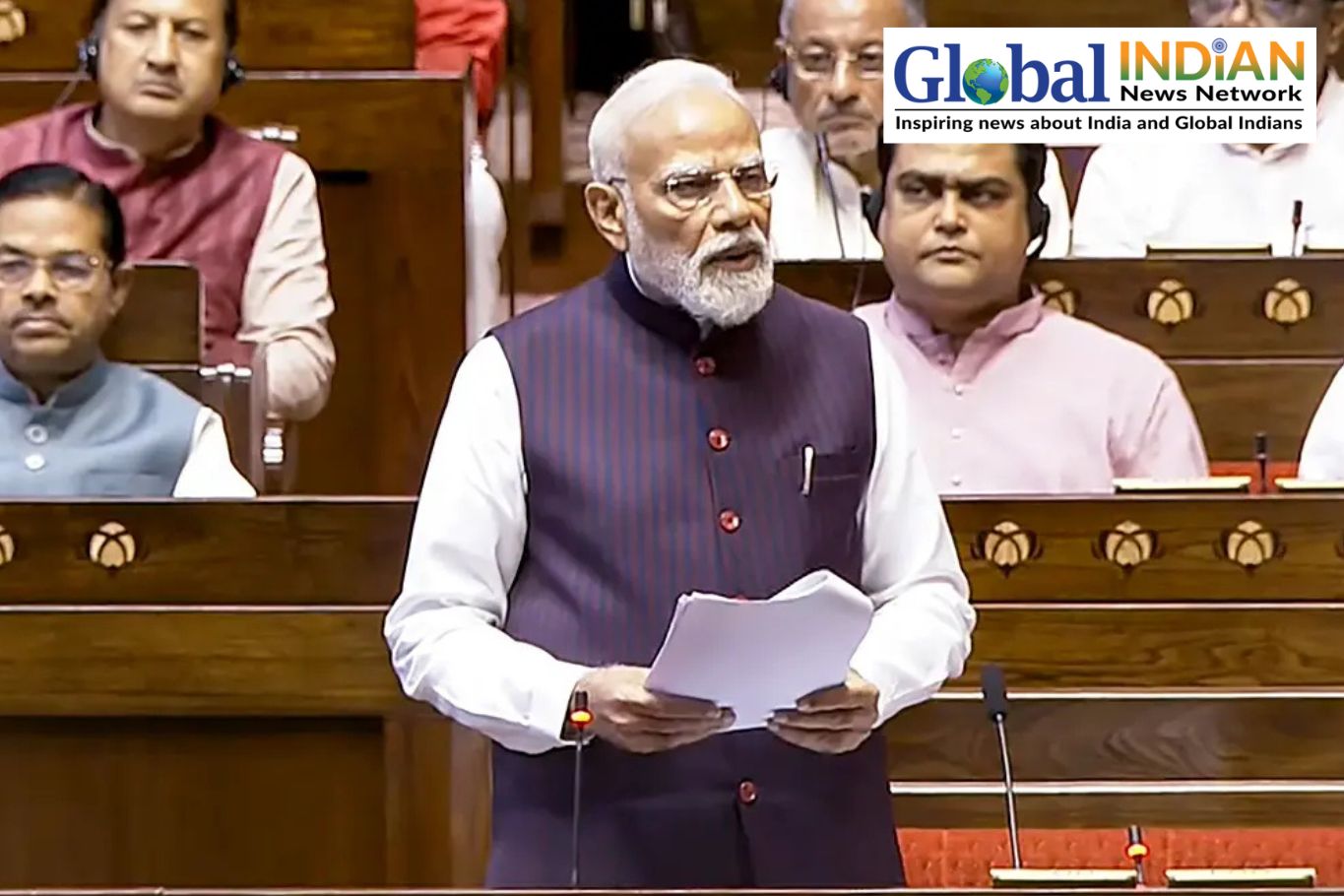
 As tensions mounted between India and Pakistan, both nations agreed to a ceasefire on Saturday following India’s successful execution of ‘Operation Sindoor’ on May 7. Ahead of this agreement, Prime Minister Narendra Modi held a key conversation with US Vice President JD Vance, according to ANI. During this dialogue, PM Modi emphasized that India had decisively accomplished its military, political, and psychological objectives through a calculated and precise mission.
PM Modi highlighted that Indian Armed Forces had fulfilled their commitment to destroy terrorist networks operating from Pakistan. Specifically, strategic airstrikes targeted and eliminated terror bases in Bahawalpur, Muridke, and Muzaffarabad. “We flattened them,” he reportedly said, underscoring the clarity and intent behind India’s military response.
He further informed Vance that the Indus Waters Treaty would be temporarily suspended, linking the resumption of its terms to the cessation of terrorism emanating from across the border. The Indian stance was firm: cross-border terrorism will no longer be tolerated, and any provocation will be met with a stronger retaliatory strike.
Referring to India’s reaction on the night of Pakistan’s attack on 26 Indian locations, Modi reportedly said the Indian military launched swift and effective counterstrikes, inflicting serious damage to enemy positions.
On the Kashmir front, PM Modi reiterated India’s unwavering stance: there is nothing left to negotiate except the return of Pakistan-Occupied Kashmir (PoK). “If they’re ready to hand over terrorists, we can talk. Otherwise, there’s nothing to discuss,” he reportedly told the US Vice President, making it clear that mediation was neither desired nor needed.
Regarding the state of conflict, Modi stated that Operation Sindoor was not the conclusion but a shift into a “new normal.” He stressed that the world—and especially Pakistan—must understand that the usual approach is no longer viable.
According to ANI sources, during the entire phone call, there was no discussion of nuclear threats. PM Modi also made it clear that India had no interest in outside assurances, pressing that any military de-escalation required direct communication between the Director Generals of Military Operations (DGMOs). Following this, the DGMOs agreed to halt hostilities, paving the way for the ceasefire.