 As the sacred month of Magh began, Prayagraj witnessed a renewed spiritual fervour with the commencement of the Magh Mela and the Panchkosi Parikrama, drawing saints, sadhus, and pilgrims from across the country to the Triveni Sangam. Rituals performed along the confluence of the Ganga, Yamuna, and Saraswati reflected the enduring spiritual and cultural traditions of Sanatan Dharma.
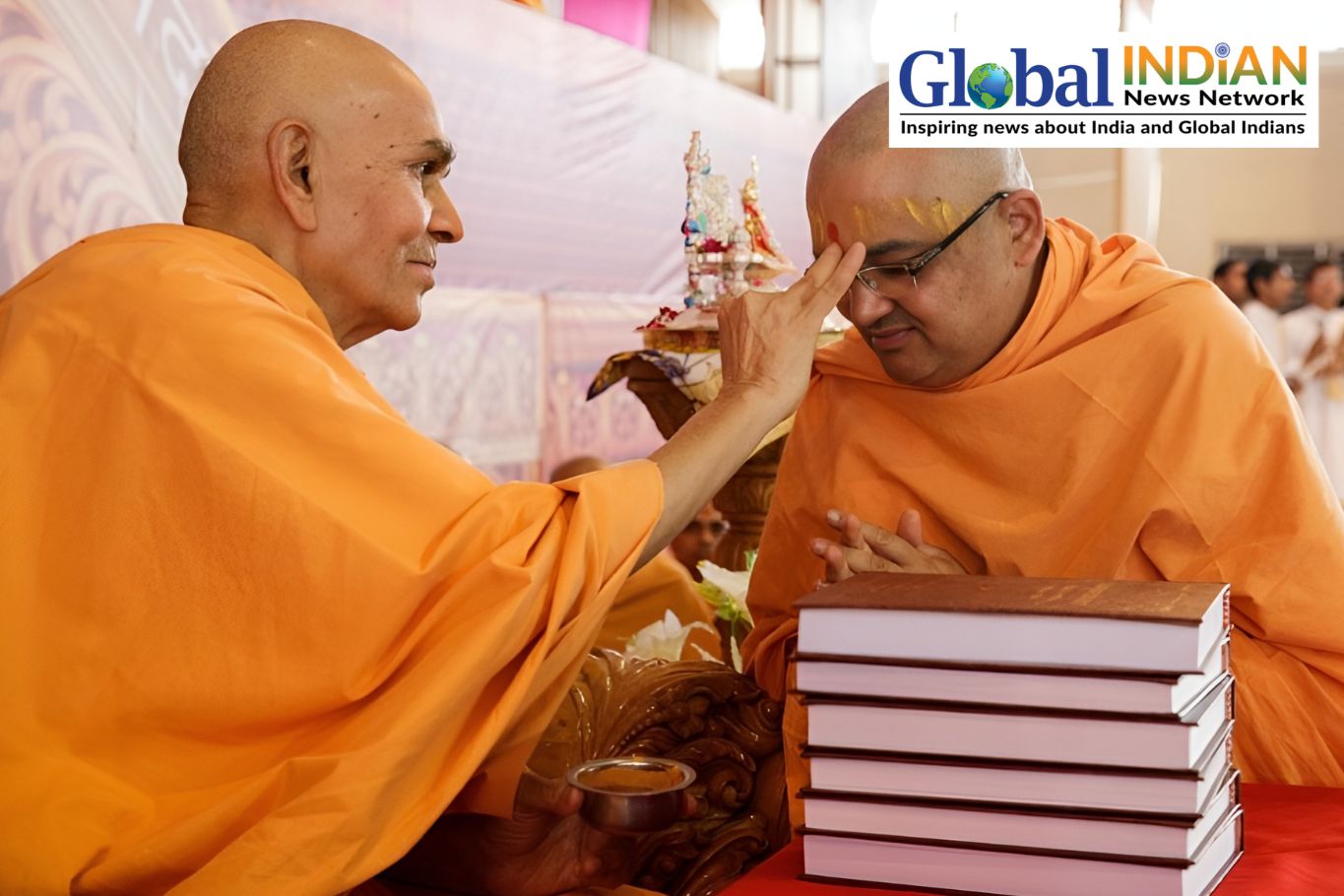
Saints of the Akhara Parishad marked the occasion by reflecting on the completion of one thousand years since the historic attack on the Somnath Temple, while also acknowledging the arrangements made to facilitate devotees during the religious gathering.
Akhil Bharatiya Akhara Parishad president Swami Ravindra Puri said that Prime Minister Narendra Modi stands apart as the first Indian prime minister to visibly demonstrate deep personal faith in temples and Sanatan values. He noted that the Prime Minister regards Lord Shiva as his Ishta Devata and has consistently shown reverence not only towards Somnath but also Kedarnath and other sacred sites. According to him, this open expression of devotion represents a significant cultural shift in India’s public life.
Swami Ravindra Puri also expressed concern over incidents affecting Hindu communities in neighbouring Bangladesh, stating that such developments are deeply tragic and deserve condemnation. He added that the Union Home Ministry has been actively monitoring the situation.
Shankaracharya Swami Narendranand Saraswati of the Kashi Sumeru Peeth highlighted the spiritual continuity of the Magh Mela, describing it as a month-long tradition stretching from Paush Purnima to Magh Purnima and, at times, extending until Shivratri. He said the pilgrimage to the Triveni Sangam has its roots in ancient times and symbolises the collective faith of Hindus across generations.
Reflecting on the Somnath Temple legacy, the Shankaracharya remarked that while some temples were attacked and looted over centuries, others continue to suffer neglect, underscoring the need for renewed awareness and preservation of India’s sacred heritage.
Hari Giri, custodian of the Juna Akhara, described the Panchkosi Parikrama as an ancient tradition believed to have divine origins. He acknowledged the efforts of the Uttar Pradesh government in preserving the sanctity of Prayagraj, noting that steps taken to uphold the city’s spiritual character have reinforced its sacred identity.
The ongoing Magh Mela and Panchkosi Parikrama stand as a testament to India’s living civilisational traditions, reaffirming the resilience of Sanatan culture and its continued relevance in contemporary times.