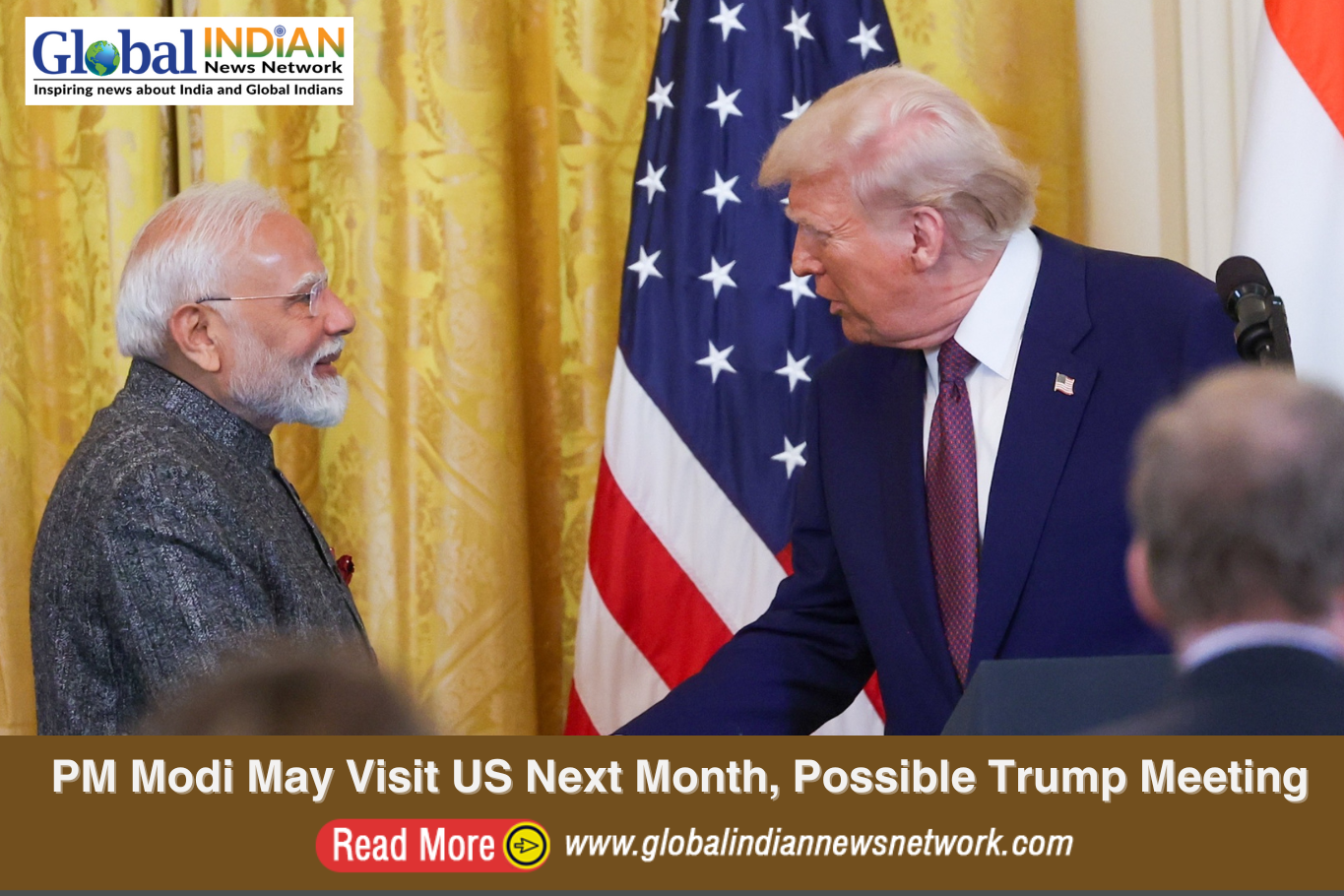
 Prime Minister Narendra Modi is expected to travel to the United States in late September to attend the United Nations General Assembly (UNGA). However, attention is centered on the possibility of a meeting with US President Donald Trump amid ongoing tensions over a stalled bilateral trade agreement. India has remained firm in resisting Washington’s push to open its agricultural sector, prioritizing the livelihoods of its farmers over American demands.
Negotiations between the two nations have been stuck on key issues, including market access for US agricultural products, tariffs on e-commerce, the steel industry, and differing climate policies. The timing of Modi’s visit — and whether a one-on-one meeting with Trump will take place — will depend largely on the progress of the next round of trade discussions, with a US-led delegation expected in New Delhi soon.
Another factor influencing Modi’s decision is the outcome of an August 15 meeting in Alaska between Trump and Russian President Vladimir Putin, aimed at negotiating a Ukraine peace settlement. The geopolitical climate could directly impact the tone of US-India talks.
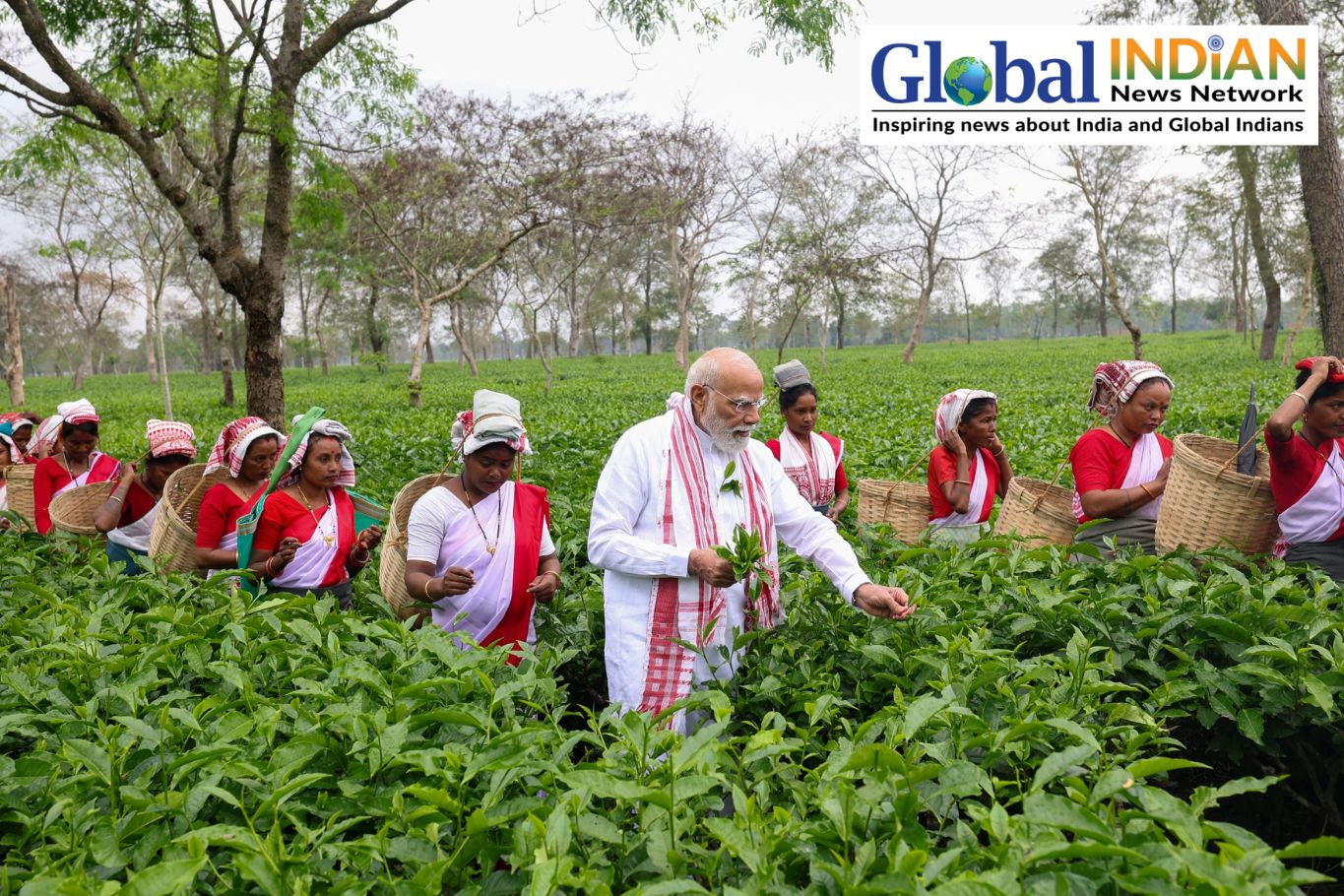
In a recent public address, Modi stressed that protecting farmers, fisherfolk, and livestock rearers is his highest priority, even if it comes at a personal cost. This follows Trump’s announcement of a 25% reciprocal tariff and an additional 25% penalty on Indian imports — effective August 27 — in retaliation for New Delhi’s continued purchase of Russian oil. The US has argued that such purchases help fund Moscow’s war efforts, while critics point out Washington’s own imports of Russian uranium and fertilizers.
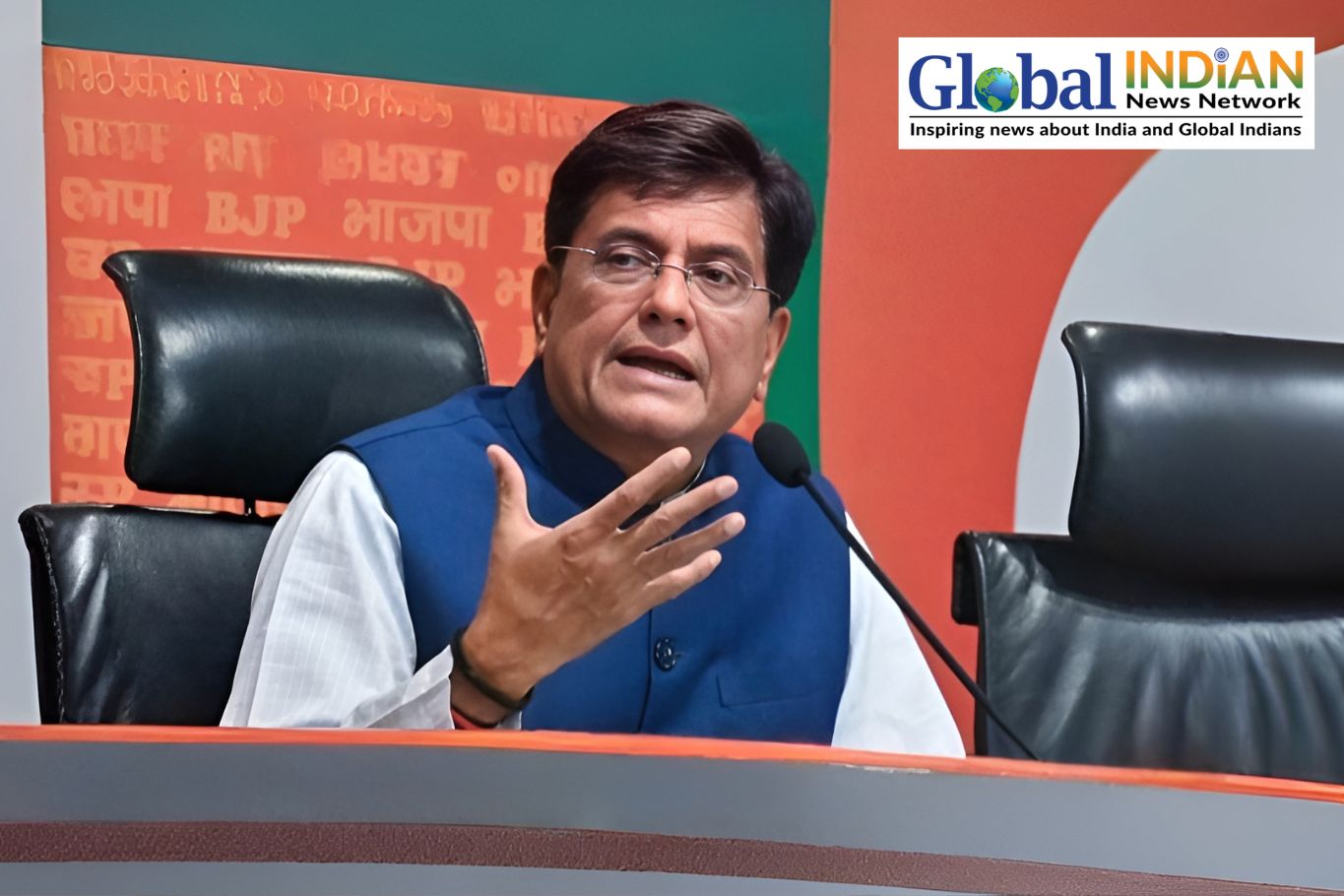
On Monday, India’s Ministry of External Affairs (MEA) told a Parliamentary Committee that the US proposal for a 50% tariff on certain imports is based on flawed assumptions and ignores the realities of global energy markets. The ministry criticized the move as part of a geopolitical contest in which India has no role and no desire to take sides.
MEA further said that unilateral punitive measures damage trust and distort global trade rules, accusing some members of the international community of “double standards.” Despite the disputes, New Delhi emphasized its commitment to resolving differences through dialogue, mutual respect, and constructive engagement with the United States.