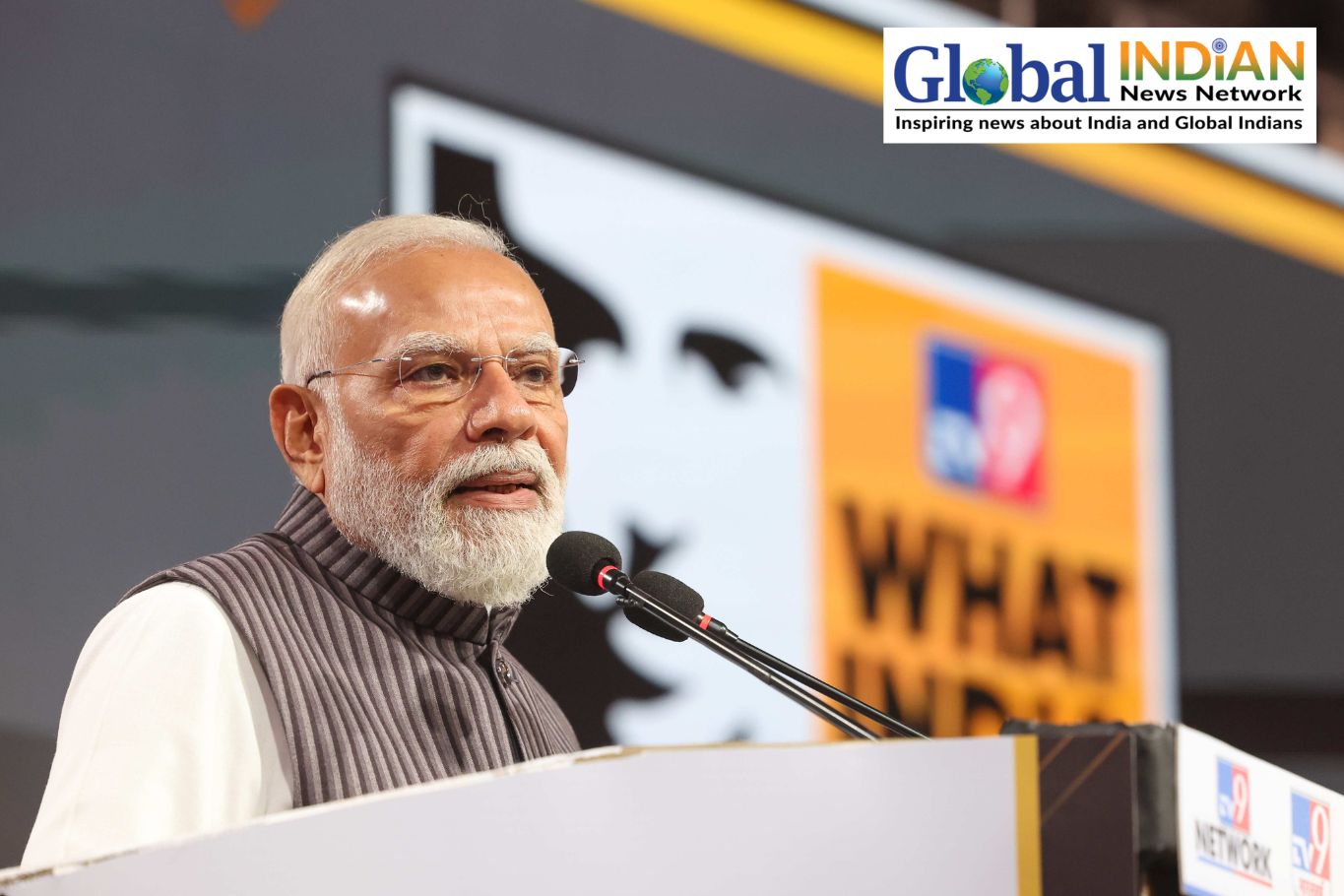
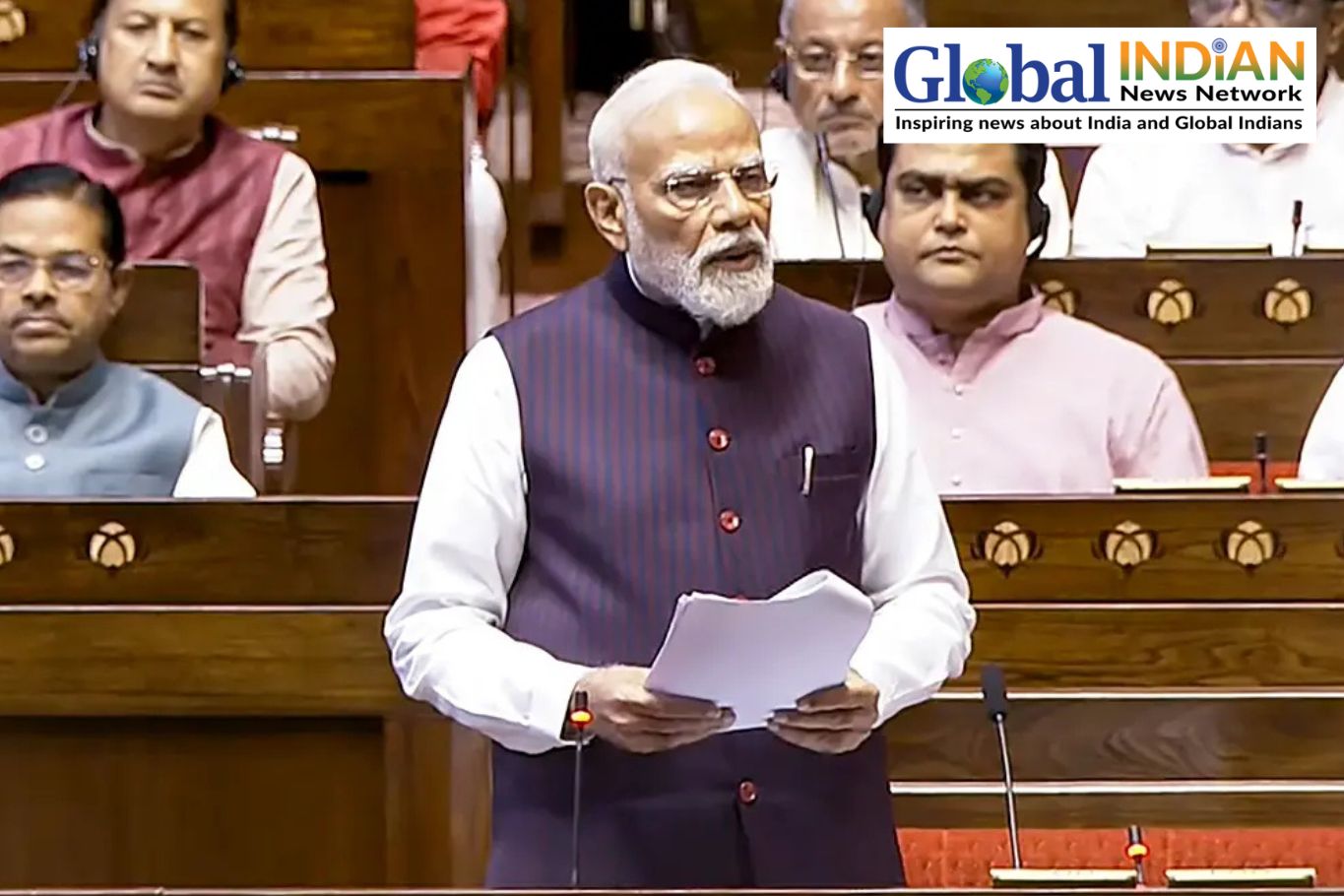
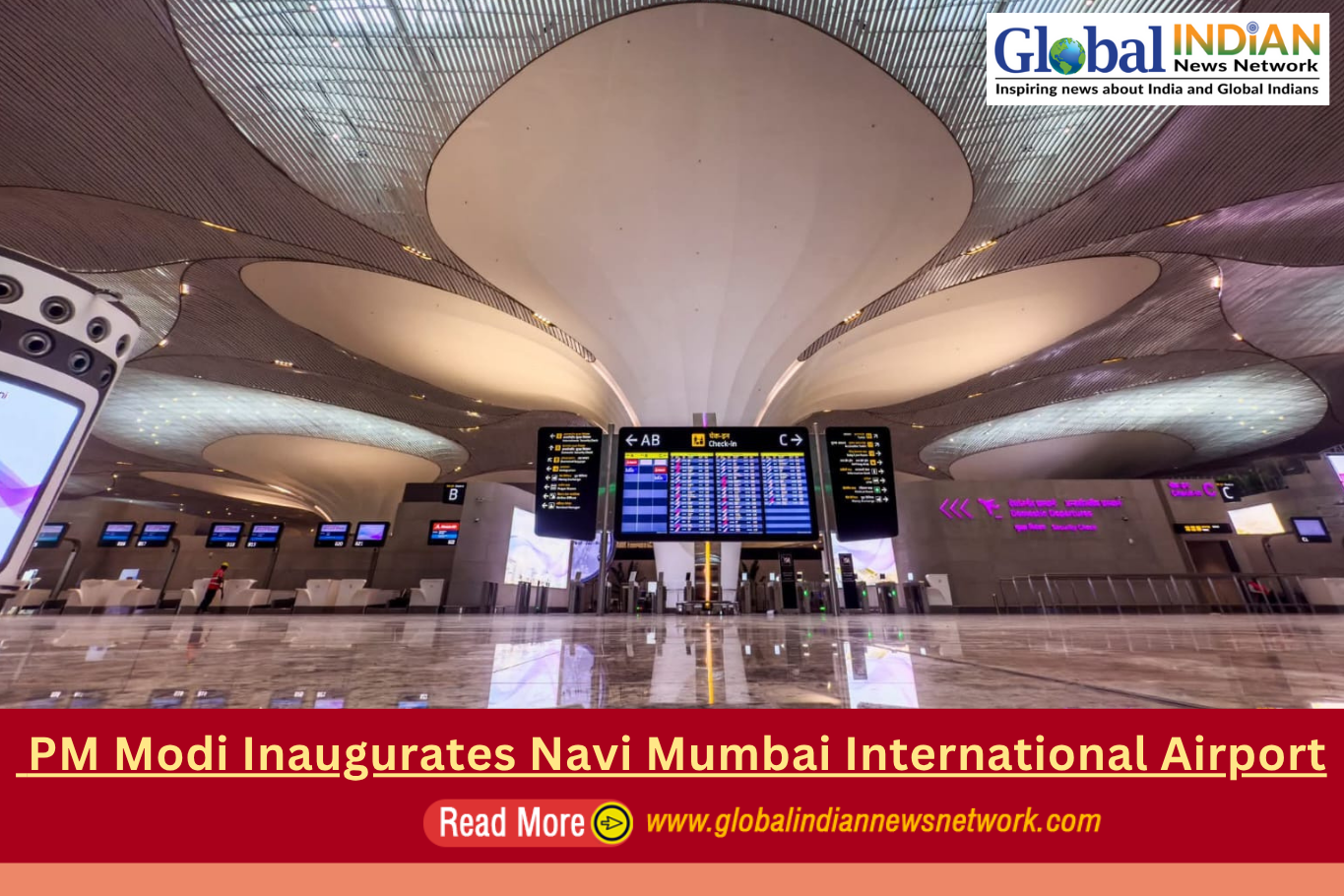
 Prime Minister Narendra Modi officially inaugurated the long-awaited Navi Mumbai International Airport (NMIA) on October 8, 2025, nearly 28 years after the project was first conceived. Developed under a Public–Private Partnership by Adani Airport Holdings Ltd and CIDCO, NMIA is India’s largest greenfield airport, designed to handle 90 million passengers and 3.25 million metric tonnes of cargo annually. While commercial operations are slated to begin in December, the real estate market in the Mumbai Metropolitan Region (MMR) is already responding with heightened interest.
Real estate experts predict residential property prices in Navi Mumbai could rise by 10–15% over the next two to three years, especially in areas such as Panvel, Ulwe, Taloja, Belapur, Kharghar, Dronagiri, Karjat, and Alibaug. Developers anticipate that the full potential of the market will emerge once a central business district comparable to Mumbai’s BKC develops in Navi Mumbai. Over the past decade, apartment prices in the region have already doubled, from around ₹3,600 per sq ft in 2015 to over ₹8,000 per sq ft today.
The airport is also expected to boost affordable housing, with initial demand likely coming from airport employees and aviation-related professionals. Over time, the development of retail, commercial offices, educational institutions, and healthcare facilities is projected to increase demand across all housing segments. PropEquity data shows that Navi Mumbai launched 6,056 housing units in Q3 CY25 and sold 7,212 units, reflecting steady growth despite slight year-over-year fluctuations.
NMIA is located approximately 45 minutes from South Mumbai and about 1 hour from Bandra Kurla Complex, with travel times varying depending on traffic. Analysts expect the airport to transform both the region’s infrastructure and its real estate dynamics, creating new opportunities for investors, developers, and homebuyers alike.