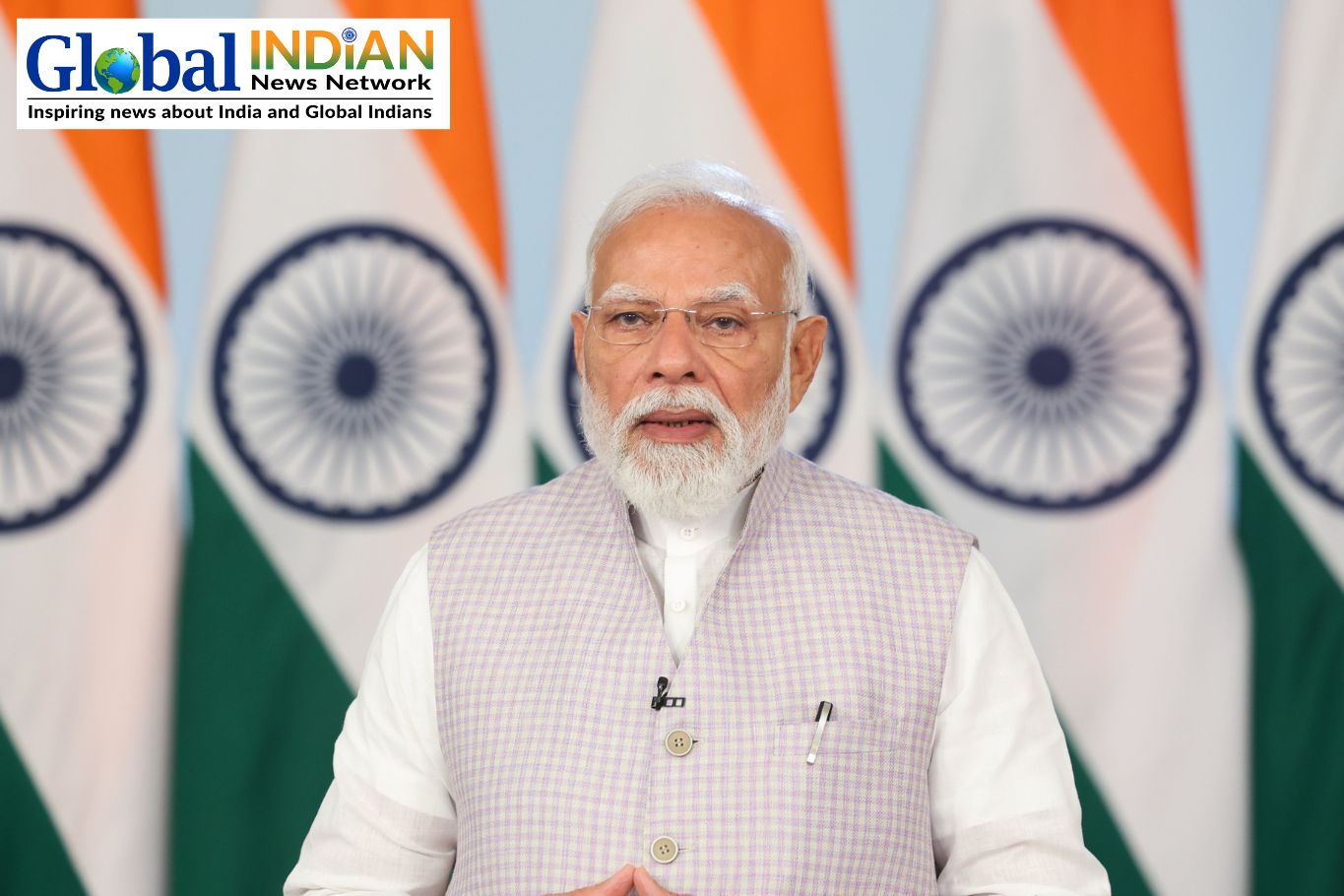
 Finance Minister Nirmala Sitharaman has reassured Indian exporters that the government is preparing targeted relief to counter the heavy blow of higher US tariffs. Speaking on Friday, she emphasized that New Delhi would not leave its exporters “high and dry,” noting that an assistance package is being finalized for industries most affected by the tariff escalation.
“The government will come out with something to handhold those hit by 50% tariffs,” Sitharaman told CNBC TV18, explaining that Cabinet approval would be needed before the rollout. She highlighted that sectors including garments, jewellery, footwear, and chemicals have been particularly strained since Washington imposed new duties.
The announcement comes in the wake of US President Donald Trump’s decision to levy additional tariffs on Indian exports, including a 25% duty linked to Russian crude imports. The move has doubled tariffs on several products, pushing them as high as 50%, and raising serious concerns for India’s trade competitiveness.
Officials indicated that the Centre is already working on a broader support strategy to help exporters withstand the shock. According to a senior government source, the impact of the tariffs could lead to delayed payments, longer receivable cycles, and even cancelled orders from US buyers. To safeguard businesses and employment, the government is weighing multiple measures including liquidity support, insolvency prevention, and assistance until exporters can diversify into new markets.
Covid-era style liquidity injections are also being explored, alongside long-term initiatives to improve supply chain integration and open new trade opportunities. These steps aim to ensure exporters can continue operations without severe disruption while reducing dependence on a single market.
Industry estimates paint a challenging picture: nearly 55% of Indian exports to the US—worth about $48 billion—are now at a disadvantage compared to competing suppliers from Vietnam, China, and Bangladesh. The higher costs make Indian goods less attractive in America’s price-sensitive market, threatening both profits and jobs.
By promising relief, Sitharaman has signaled the government’s intent to shield exporters from the brunt of the tariff hike while reaffirming India’s zero-tolerance approach to losing competitiveness in global markets. The package, once approved, is expected to provide short-term breathing space while laying groundwork for long-term resilience in India’s export sector.