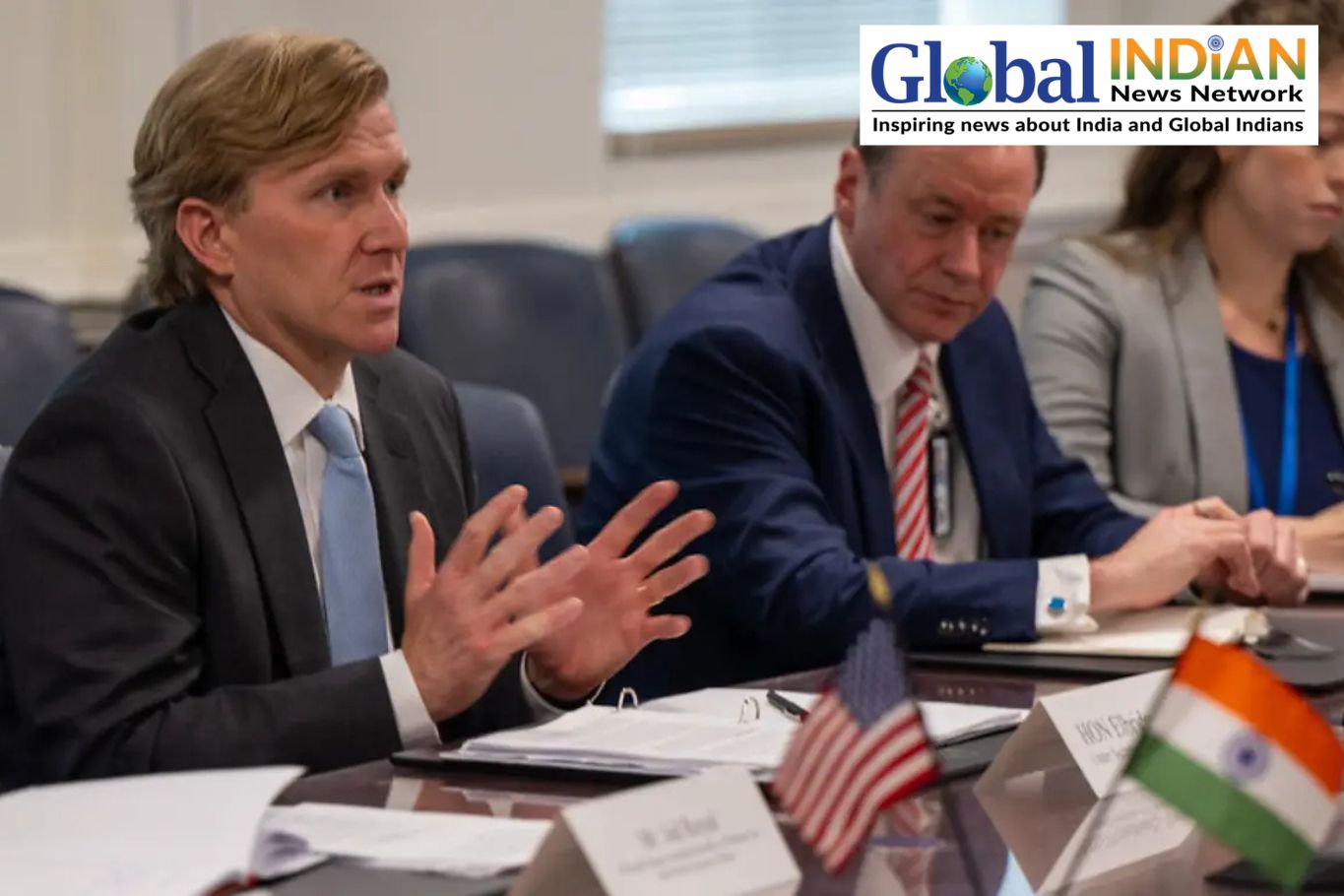
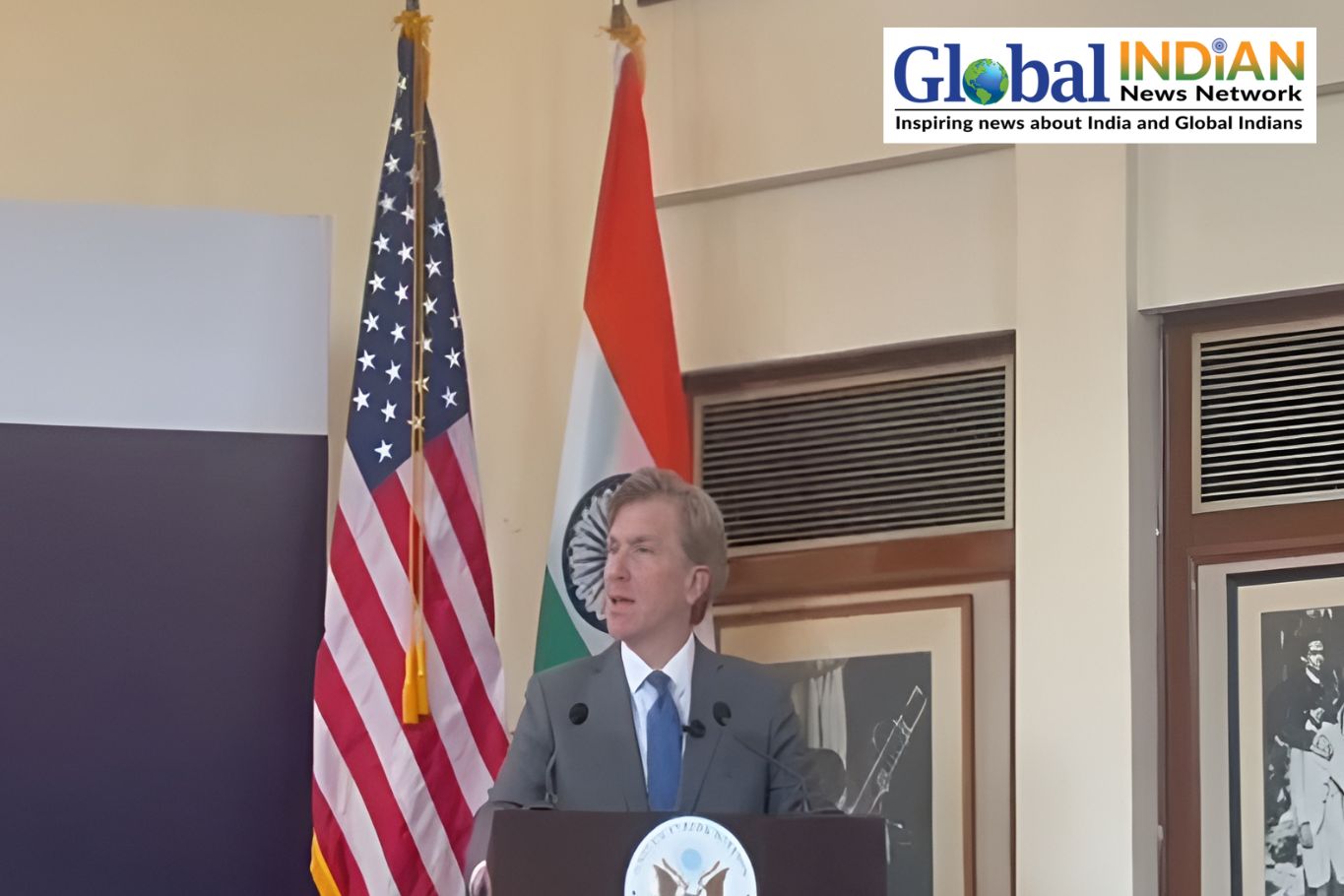
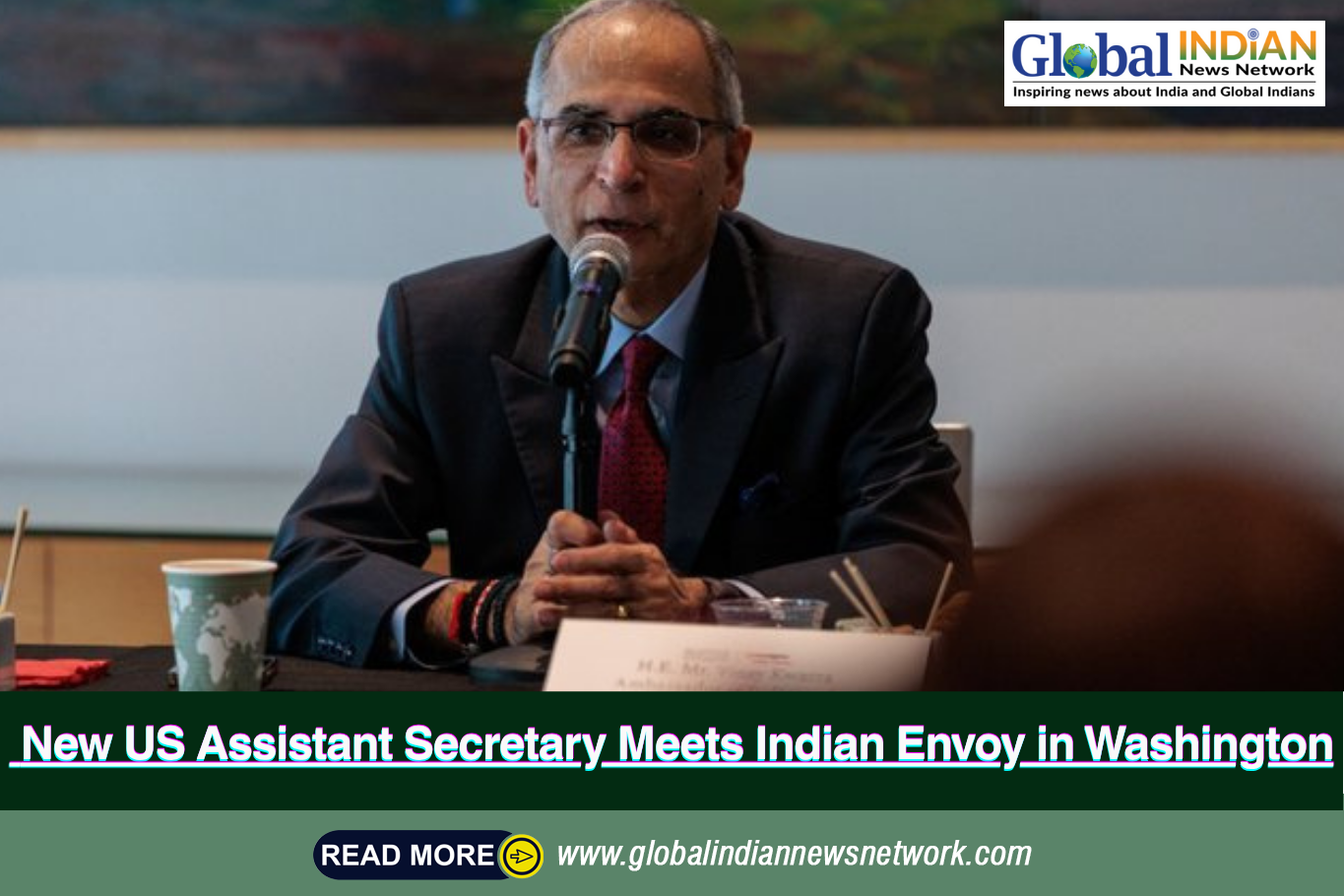
 India’s Ambassador to the United States, Vinay Kwatra, recently welcomed Paul Kapur, the Assistant Secretary of State for the Bureau of South and Central Asian Affairs, at India House in Washington. Their meeting underscored the ongoing commitment to strengthening bilateral and regional cooperation between the two nations.
The State Department’s Bureau of South and Central Asian Affairs shared the update on X, thanking Ambassador Kwatra for hosting and highlighting discussions on mutual priorities aimed at deepening the India-US partnership.
Paul Kapur, an Indian American scholar and security expert, was officially sworn in on October 22 as the Assistant Secretary for the Bureau, a key appointment under the Trump administration. He took over the role from Donald Lu, who served from September 2021 to January 2025.
Kapur previously contributed to the State Department’s Policy Planning Staff between 2020 and 2021, where his work centered around South and Central Asia, the Indo-Pacific strategy, and advancing India-US relations. He also led several strategic dialogues, including the India-US Track 1.5 initiative, which promotes cooperation in defense and diplomacy.
Alongside his diplomatic work, Kapur is a visiting fellow at Stanford University’s Hoover Institution and serves as a professor at the US Naval Postgraduate School in Monterey, California. Earlier in October, his appointment, along with that of the new US Ambassador to India, Sergio Gor, was confirmed by the Senate.
During his Senate hearing in June, Kapur reflected on his personal and professional journey, calling it a “full-circle moment.” Born in New Delhi to an Indian father and an American mother, Kapur grew up in the US and never imagined his career would bring him back to his birthplace in such a significant diplomatic role.
Speaking on India-US ties, Kapur emphasized shared interests such as maintaining a free Indo-Pacific, fostering balanced trade, promoting technological collaboration, and ensuring energy security. Regarding Pakistan, he stated he would support security cooperation only where it serves US interests.
The Bureau of South and Central Asian Affairs remains pivotal in shaping Washington’s policies on security, trade, infrastructure, and counterterrorism across the broader region.