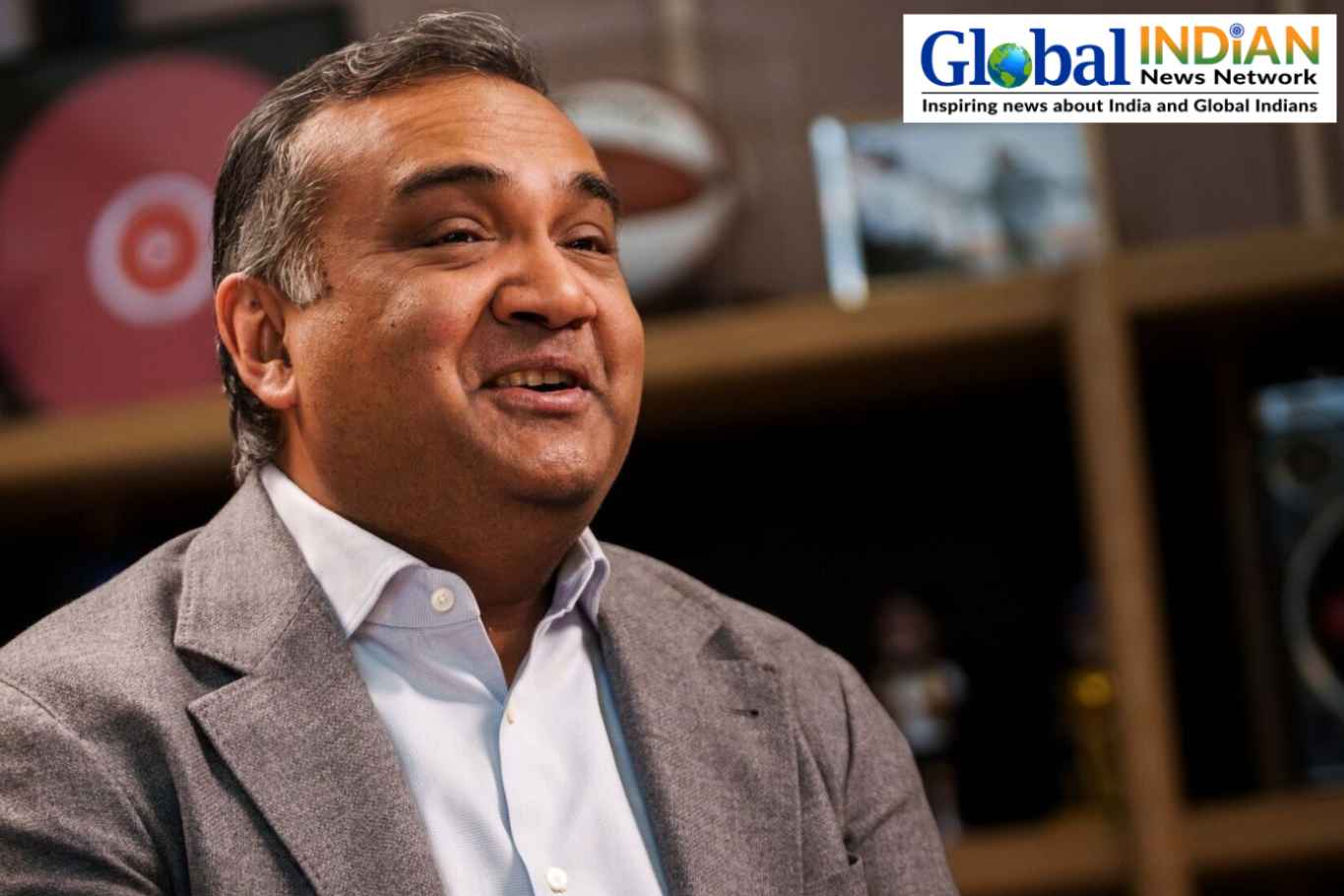
 In 2025, Neal Mohan emerged as one of the most influential Indian American leaders in the United States, steering YouTube through a period of rapid transformation while redefining how global audiences create, watch, and engage with media. His leadership marked a turning point not only for the platform but for the broader digital economy built around creators and culture.
Mohan’s influence gained widespread recognition when he was named CEO of the Year in December 2025. The honor reflected more than personal achievement; it underscored the rise of an Indian American executive at the helm of one of the world’s most powerful cultural platforms. As YouTube marked its 20th anniversary, Mohan guided a company that has evolved into a foundational pillar of the global attention economy.
By 2025, YouTube had moved far beyond its origins as a video-sharing website. Under Mohan’s direction, it functioned simultaneously as a technology platform, entertainment network, creative marketplace, and business ecosystem. His challenge was not only to preserve YouTube’s dominance but to reinvent it amid rapid shifts driven by artificial intelligence, changing viewer habits, and regulatory scrutiny.
At the beginning of the year, Mohan outlined four priorities that defined YouTube’s trajectory. Artificial intelligence stood at the forefront, positioned as a tool to empower creators rather than replace them. In late 2025, the platform introduced over 30 AI-driven features, enabling creators to develop scripts, visuals, and backgrounds with tools previously accessible only to large studios.
Another major shift centered on television viewing. In the United States, television screens overtook mobile devices as the primary way audiences consumed YouTube content. Mohan responded by enhancing the living-room experience with interactive features that connected TV viewing with mobile engagement, positioning YouTube as the modern evolution of television.
Creator monetization remained central to Mohan’s strategy. By 2025, a majority of YouTube’s top creators earned substantial income through subscriptions, memberships, and integrated shopping, reducing reliance on advertising alone. Live streaming and podcasts further expanded the platform’s reach, supported by tools that transformed audio content into visual experiences.
Financial performance reflected these strategies. In the first three quarters of 2025, YouTube’s ad revenue grew by 15 percent, while paid subscriptions increased by 25 percent. Analysts valued YouTube as a standalone company between $475 billion and $550 billion by year’s end.
Mohan’s leadership also carried deep significance for India. He highlighted the country as a major creator hub, noting that YouTube paid over $2.5 billion to Indian creators and businesses over three years. His recognition as Global Indian of the Year further reinforced his role as a bridge between Silicon Valley and India’s digital future.