In a decisive move following the devastating terrorist strike in Pahalgam, which took the lives of 26 civilians including one from Nepal, the Indian government has overhauled the National Security Advisory Board (NSAB). Alok Joshi, who formerly led the Research and Analysis Wing (RAW), now chairs the restructured board. Joining him are six newly inducted members with extensive experience in military, diplomatic, and law enforcement roles.
The new members include retired Air Marshal P.M. Sinha, ex-Lieutenant General A.K. Singh, and Rear Admiral Monty Khanna. Representing the Indian Police Service are Rajiv Ranjan Verma and Manmohan Singh, both retired officers. Diplomatic insight is brought in by former Indian Foreign Service official B. Venkatesh Varma.
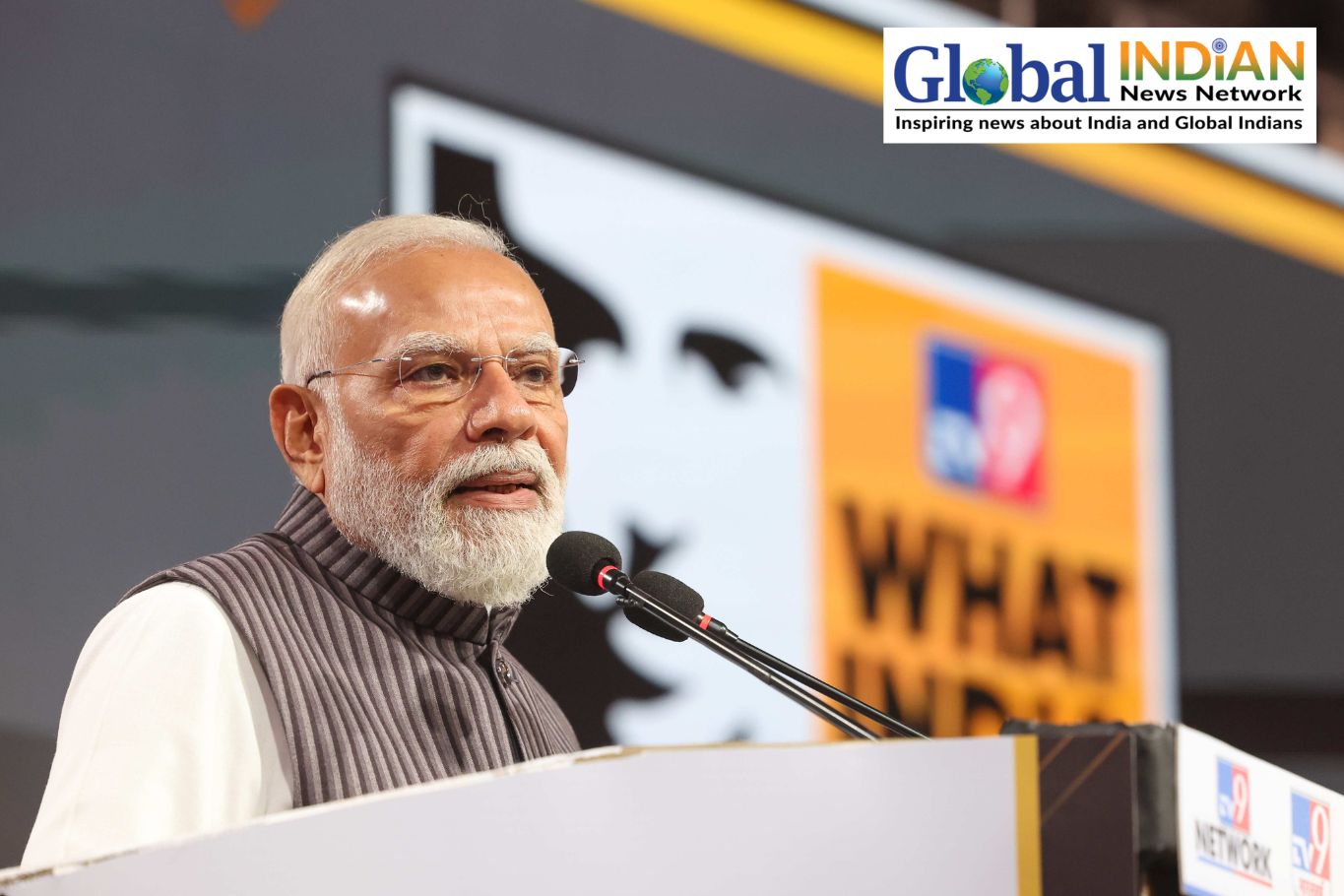
This revamp follows a high-level Cabinet Committee on Security (CCS) meeting at Prime Minister Narendra Modi’s residence, held to address national preparedness in response to the attack. Additional meetings by the Cabinet Committees on Political and Economic Affairs were also conducted, underlining the gravity of the situation. A government briefing was scheduled for 3:00 PM the same day.
During the CCS meeting, intelligence agencies highlighted the cross-border dimensions of the Pahalgam attack. The timing was significant, as the Union Territory had recently conducted successful elections and was steadily advancing toward economic development. In light of this, the Indian government has put the Indus Water Treaty on hold, sending a stern diplomatic signal to Pakistan over its alleged backing of terrorism.
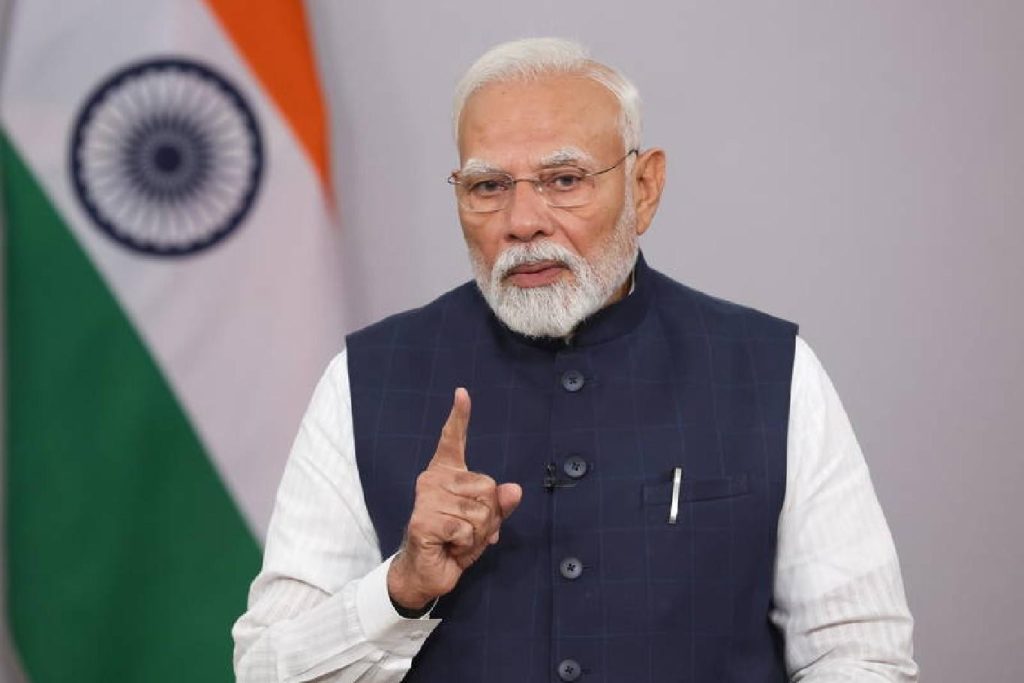
On Tuesday, Prime Minister Modi held another high-level meeting with Defence Minister Rajnath Singh, Chief of Defence Staff General Anil Chauhan, and the heads of the Army, Navy, and Air Force. According to government sources, the Prime Minister expressed unwavering trust in the Indian Armed Forces, granting them complete operational freedom to determine India’s response—including timing, targets, and tactics.
This strategic reorganization of the NSAB and the firm tone from India’s top leadership underline a shift toward more assertive national security measures in the face of mounting threats.