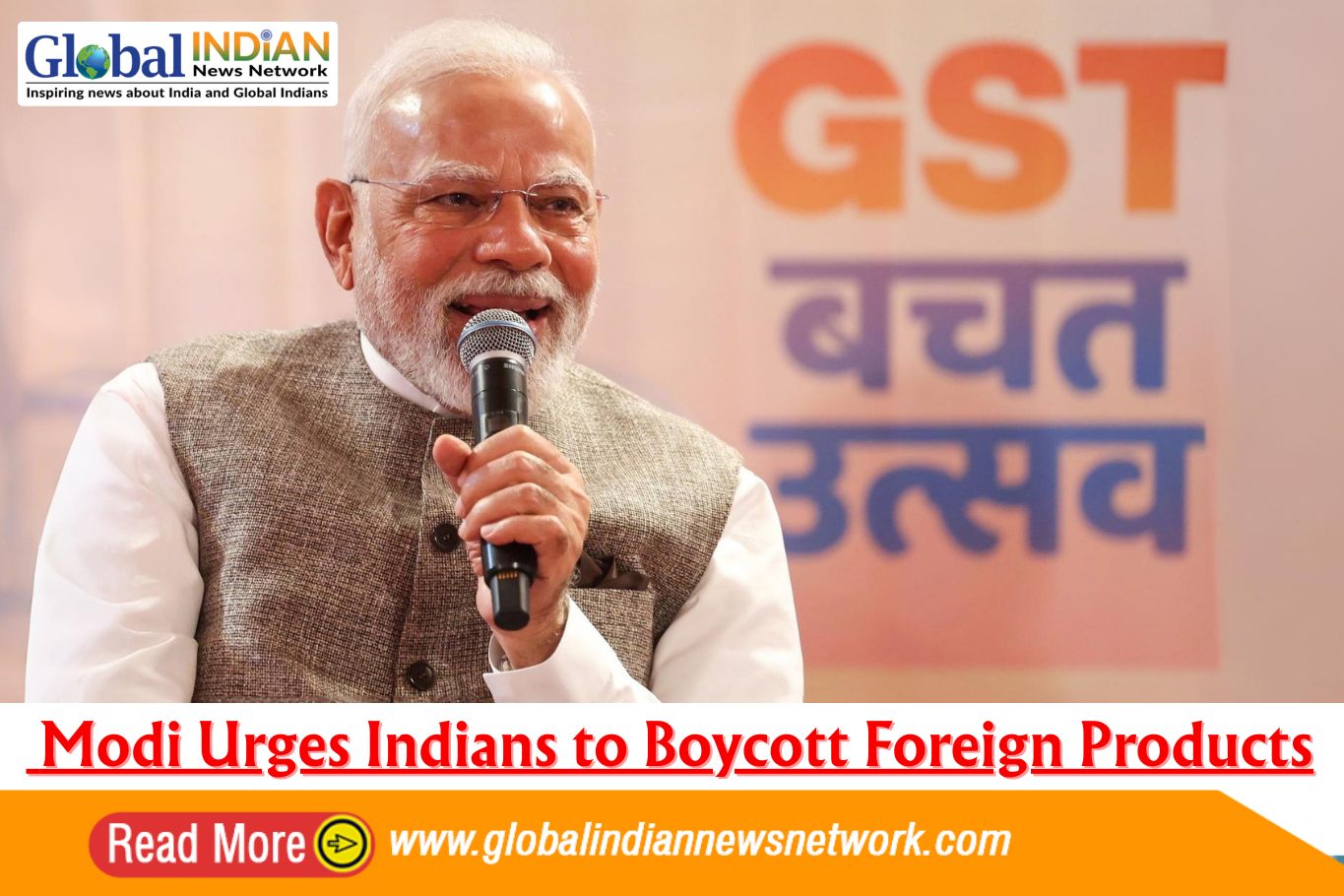
 Indian Prime Minister Narendra Modi has once again called on citizens to reduce their dependence on foreign-made products and adopt locally manufactured goods. Addressing the nation on Sunday, Modi emphasized his “Swadeshi” campaign at a time when India’s trade relationship with the United States faces severe strain.
The appeal follows Washington’s decision, under President Donald Trump, to impose a steep 50% tariff on imports from India. This move has triggered widespread discontent in New Delhi, leading Modi’s supporters to actively promote the boycott of American consumer giants. Global names like McDonald’s, Pepsi, and Apple—hugely popular among India’s 1.4 billion people—have been placed under the spotlight of these boycott campaigns.
“We unknowingly rely on foreign products in our daily lives, and it’s time to move away from them,” Modi said. He urged citizens to consciously purchase Indian-made goods, highlighting that doing so strengthens the nation’s economic foundation. His comments come just a day before new consumer tax cuts are set to be rolled out nationwide, aimed at easing the burden on households.
American brands have long dominated the Indian retail market, with companies such as Amazon delivering U.S. products not only to urban consumers but also to smaller towns across the country. Over the years, this penetration has expanded the American footprint in India’s domestic economy, a trend Modi now seeks to reverse.
The Prime Minister also made a direct appeal to shopkeepers, asking them to prioritize stocking and selling Indian products. He stressed that localizing supply chains would help spur growth and create greater opportunities for Indian businesses. Many companies in India have already begun intensifying campaigns to promote homegrown products in line with Modi’s call.
Meanwhile, efforts to repair strained diplomatic and trade relations are underway. Commerce Minister Piyush Goyal is expected to visit Washington for talks in the coming weeks. The visit will be closely watched as both nations navigate a path toward reducing tensions and redefining their economic partnership.
By promoting self-reliance, Modi’s campaign seeks not just to reduce foreign dependence but also to foster national pride and long-term economic resilience. The outcome of these efforts could reshape consumer behavior across India’s vast and diverse market.