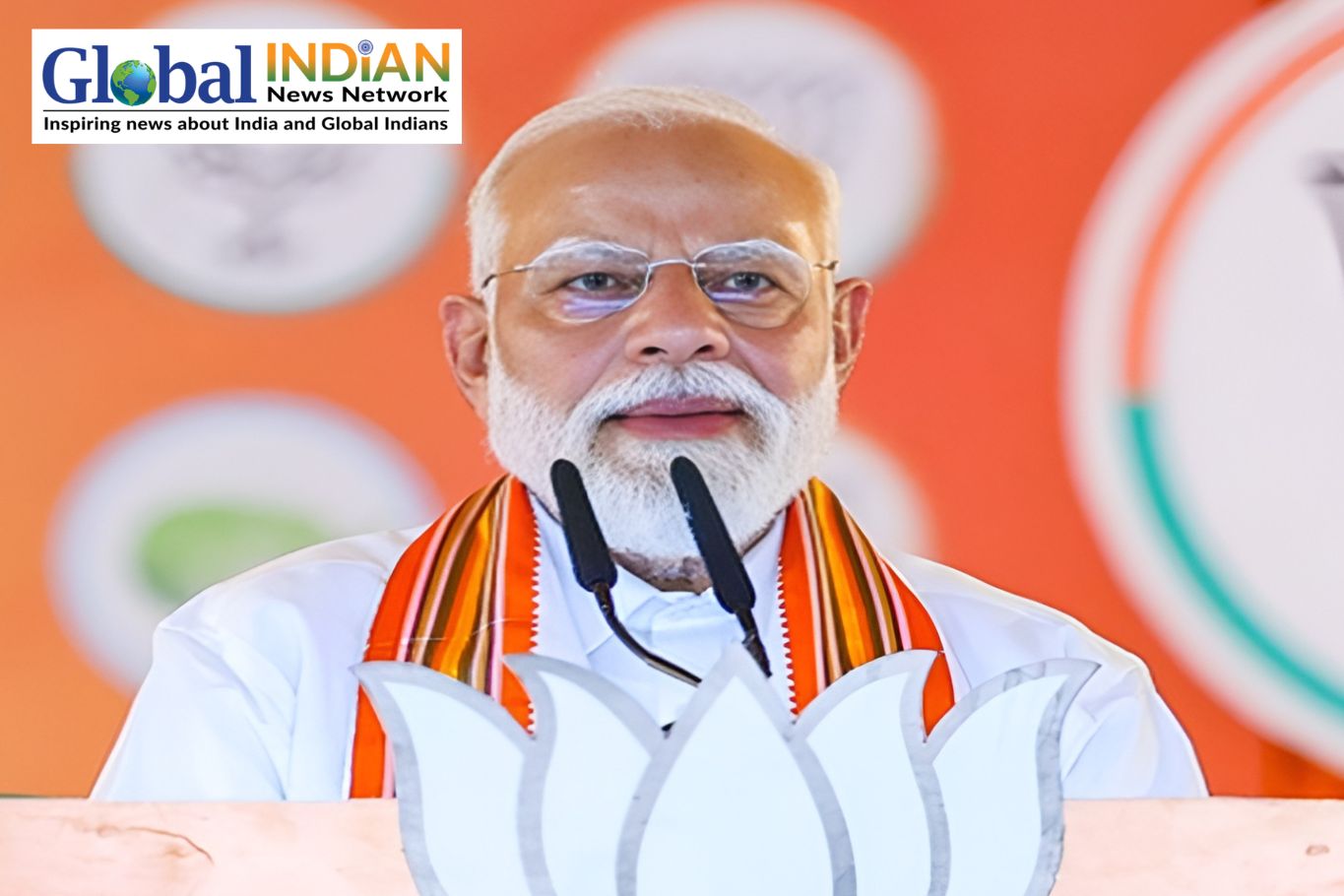
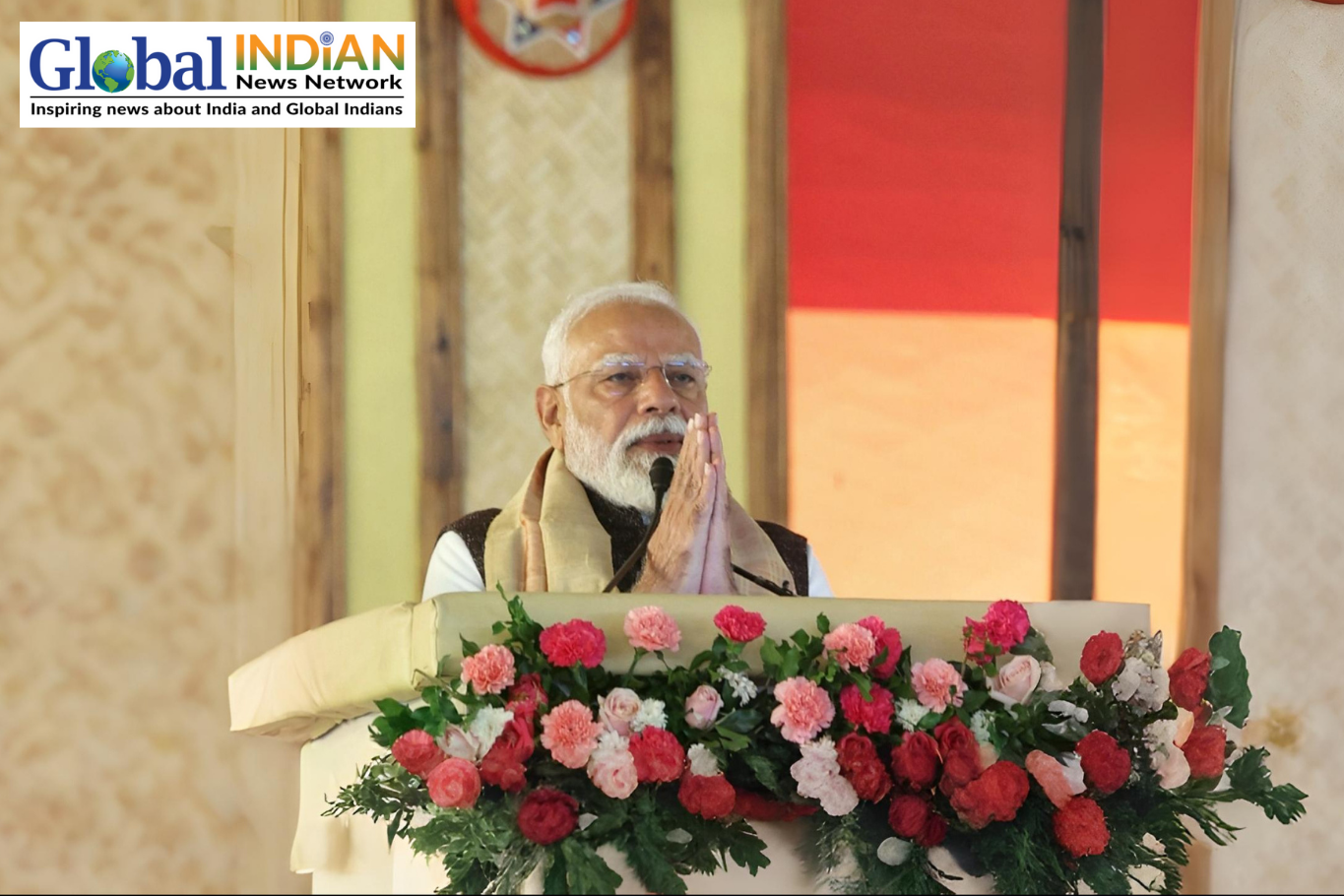
 Prime Minister Narendra Modi is scheduled to lay the foundation stone of the Kaziranga Elevated Corridor in January 2026, marking a major step in Assam’s effort to balance ecological preservation with infrastructure expansion. The project represents a long-term solution to protect wildlife while addressing increasing traffic movement through one of India’s most environmentally sensitive regions.
State Agriculture Minister Atul Bora confirmed that the initiative gained strong momentum after the Prime Minister’s visit to Kaziranga, a UNESCO World Heritage site, last year. During that visit, the region’s biodiversity reportedly left a strong impression, helping elevate the project’s priority at the national level. According to Bora, the upcoming launch reflects a shared commitment to development that does not come at the cost of nature.
The elevated corridor will span 34.45 kilometers and is part of a larger infrastructure investment valued at nearly $835 million, approved by the Cabinet Committee on Economic Affairs. The structure will be built along National Highway 37, now designated NH-715, and will pass over nine critical animal movement corridors within the Kaziranga landscape.
At present, an estimated 5,000 to 6,000 vehicles use this highway daily. During the monsoon season, flooding forces animals such as elephants and deer to cross the busy road while moving toward higher ground in the Karbi Anglong hills. These crossings frequently lead to fatal accidents, posing risks to both wildlife and motorists.
The elevated design will allow animals to pass safely beneath the roadway regardless of traffic volume or weather conditions. This is expected to sharply reduce roadkill incidents and ease long-standing human-animal conflict in the region, while maintaining uninterrupted traffic flow above.
In addition to conservation benefits, the project is expected to significantly support regional development. Plans include four-laning the Kaliabor–Numaligarh stretch over 85.67 kilometers and constructing greenfield bypasses at Jakhalabandha and Bokakhat to reduce congestion in town centers. Officials estimate the project will generate around 3.5 million person-days of direct and indirect employment.
Drawing on wildlife-friendly infrastructure models successfully used in other national parks, the Kaziranga Elevated Corridor is also expected to enhance eco-tourism. Overall, the project reflects an approach to development that prioritizes environmental balance while strengthening connectivity and economic opportunity in Assam.