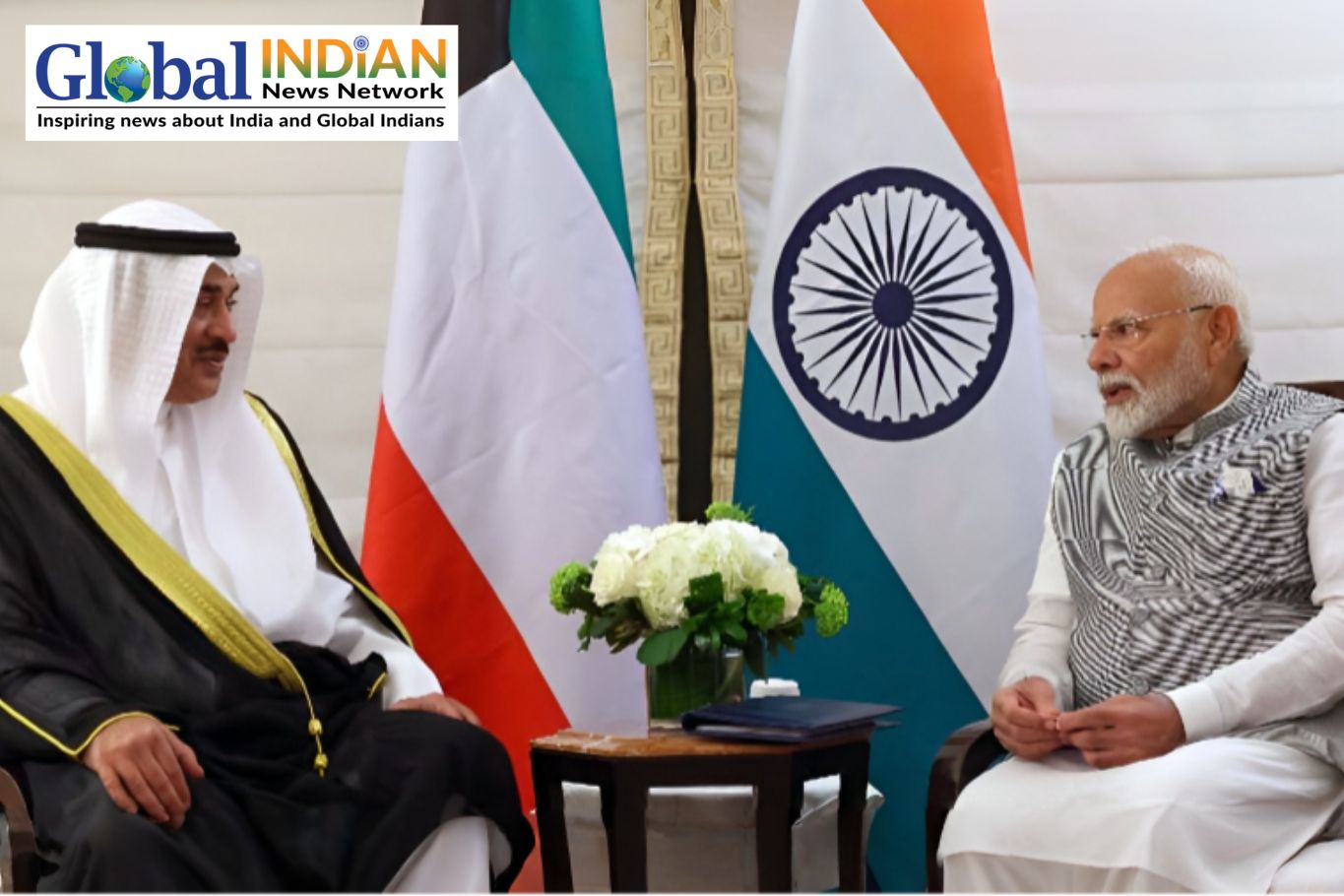
 Prime Minister Narendra Modi held a key conversation on Wednesday with Sheikh Sabah Al-Khaled Al-Hamad Al-Mubarak Al-Sabah, Crown Prince of Kuwait, focusing on the rapidly evolving situation in West Asia. During the discussion, the leaders highlighted the importance of maintaining regional stability and peace amid rising geopolitical tensions.
As part of the exchange, Modi extended greetings for the upcoming festival of Eid and reiterated India’s strong condemnation of recent attacks threatening Kuwait’s sovereignty and territorial integrity. The Prime Minister underscored that ensuring safe and free passage through the Strait of Hormuz remains a top priority, given the route’s strategic significance for global trade and energy supplies.
Both leaders agreed that sustained diplomatic engagement is crucial for preserving peace in the region, signaling India’s preference for dialogue rather than confrontation amid ongoing tensions. Modi also expressed appreciation to the Kuwaiti leadership for their ongoing support toward the safety and welfare of the large Indian community residing in Kuwait, which represents a significant portion of the Gulf nation’s expatriate population.
This dialogue followed a similar conversation the previous day with UAE President Sheikh Mohamed bin Zayed Al Nahyan. Modi and the UAE President discussed the heightened crisis in West Asia resulting from the ongoing conflict involving the US, Israel, and Iran. The two leaders reaffirmed the importance of protecting civilian lives, safeguarding infrastructure, and ensuring free navigation through the Strait of Hormuz.
In a post on X, Modi wrote, “Spoke with my brother HH Sheikh Mohamed bin Zayed Al Nahyan, President of the UAE, and conveyed advance Eid greetings. We discussed the current situation in West Asia.” He emphasized India’s firm stance against all attacks on the UAE, noting the loss of innocent lives and damage to critical infrastructure.
Through these diplomatic exchanges, India continues to prioritize dialogue, regional stability, and the protection of its citizens abroad, while signaling its role as a responsible actor in addressing the security and economic challenges in West Asia.