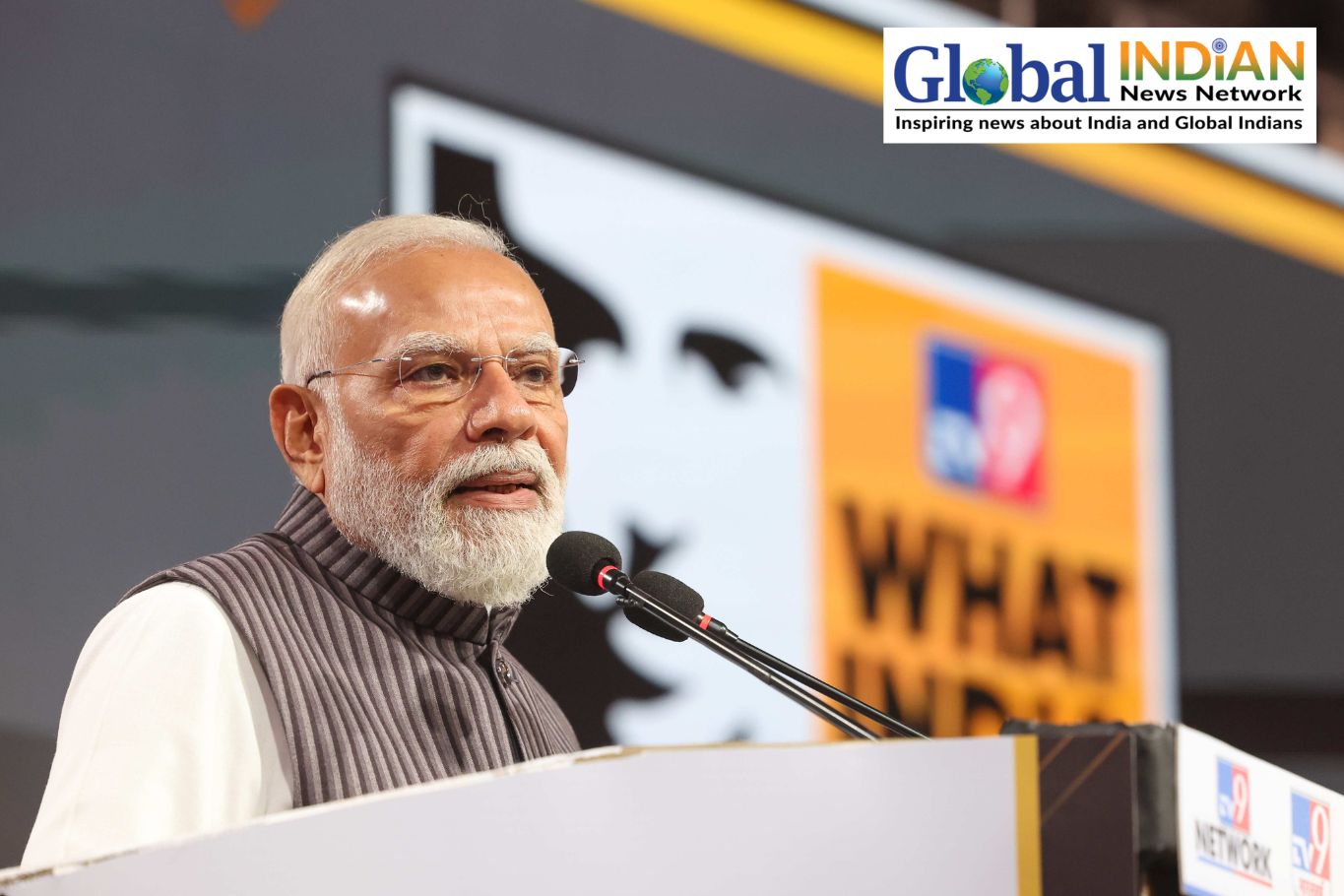
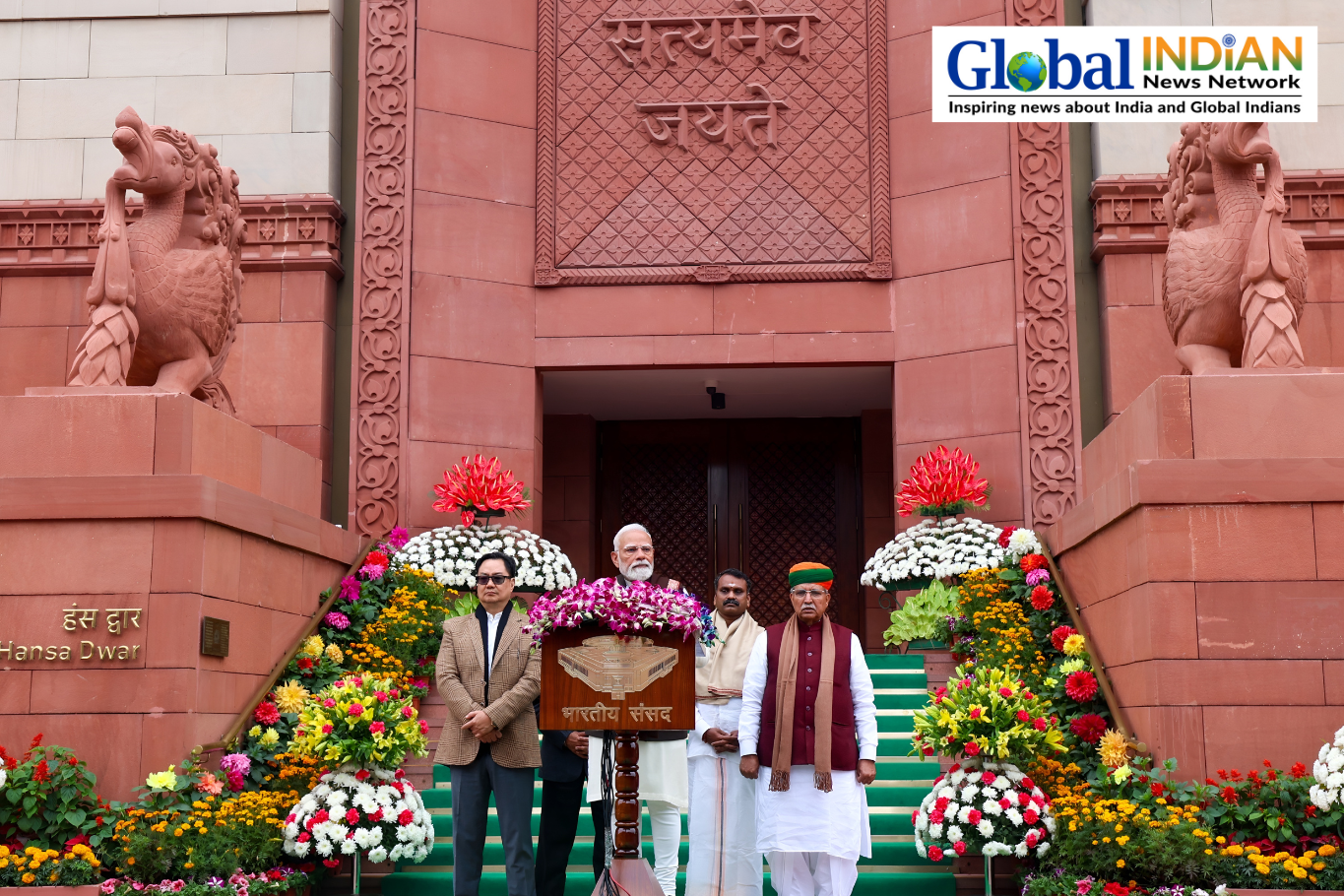
 Prime Minister Narendra Modi has described the ongoing Budget Session of Parliament as the start of a defining chapter in India’s development journey, stating that the coming twenty five years will be critical for achieving the vision of a fully developed nation by 2047. Speaking to the media outside Parliament, he said the session holds special significance as it coincides with the transition from the first to the second quarter of the twenty first century.
The Prime Minister noted that the session began with the President’s address to a joint sitting of Parliament, which, he said, reflected the confidence of the nation and the aspirations of young Indians. According to him, the message delivered by the President should serve as a guiding framework for lawmakers, making the session vital for shaping the country’s long-term direction. He urged Members of Parliament to treat the guidance with seriousness and act with a sense of national responsibility.
Highlighting global engagement as a growth driver, PM Modi pointed to the recently concluded free trade agreement between India and the European Union as a major milestone. He said the agreement opens new opportunities for Indian manufacturers, farmers, fishermen, and professionals in the services sector to expand their reach in international markets. Stressing that access alone is not enough, he called on Indian industry to prioritise quality, standards, and competitiveness to ensure lasting success in Europe and beyond.
Reiterating the government’s broader governance approach, the Prime Minister said the administration’s identity is rooted in the principles of Reform, Perform, and Transform. He remarked that India is moving swiftly along what he described as a reform-driven growth path, shifting away from decades-old challenges toward durable, long-term solutions. This shift, he added, improves policy predictability and strengthens global confidence in India as a reliable economic partner.
PM Modi also underscored the importance of keeping development human-centric despite rapid technological progress. While acknowledging that India will actively compete in technology-driven sectors and harness innovation, he emphasised that people would remain at the centre of policymaking. He noted that even critics have recognised the government’s emphasis on last-mile delivery of welfare initiatives.
Concluding his remarks, the Prime Minister called for cooperation and constructive debate in Parliament. He said the nation needs solutions rather than disruptions and urged lawmakers to speed up decision-making, remove obstacles, and focus on effective implementation to ensure that development reaches every level of society.