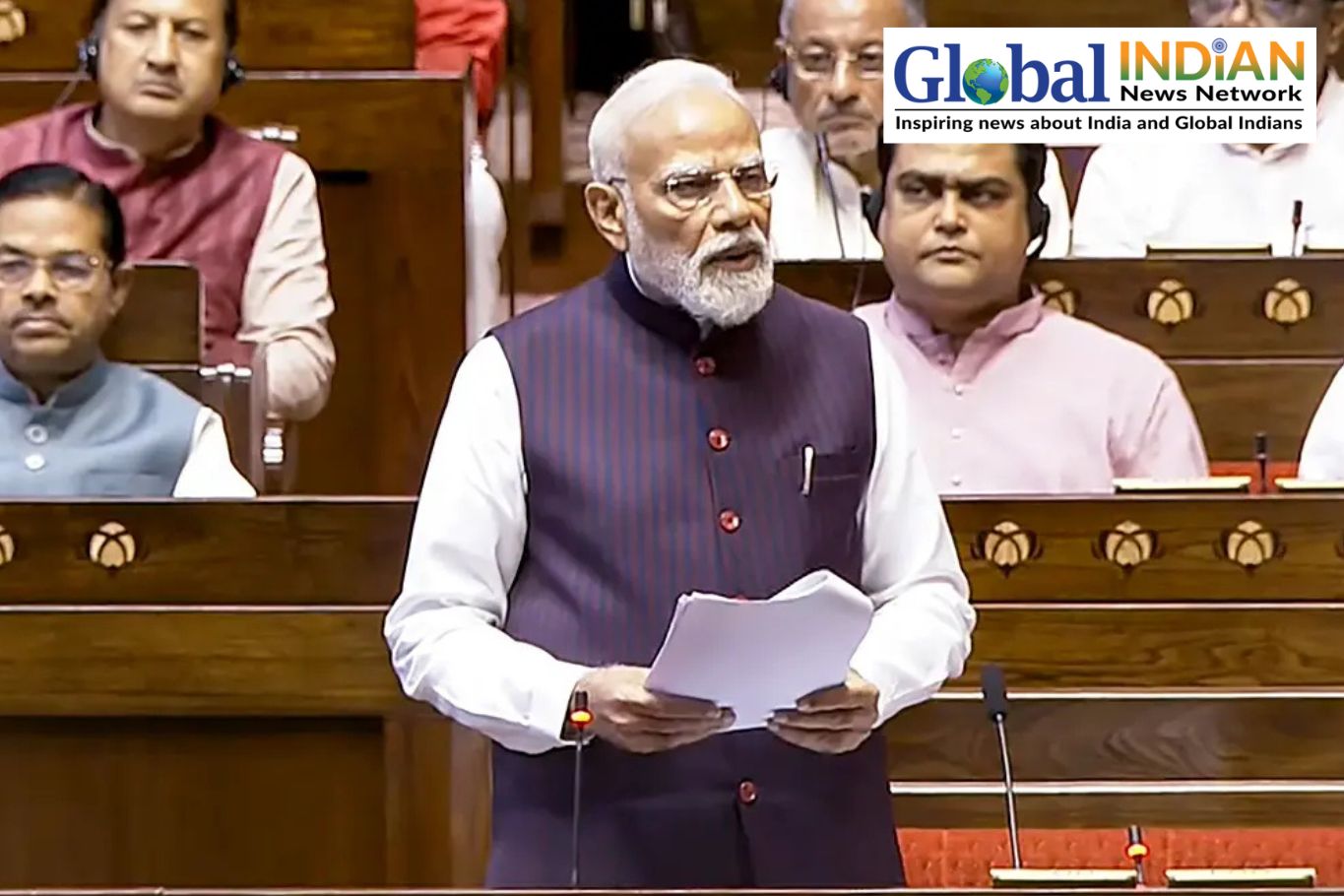
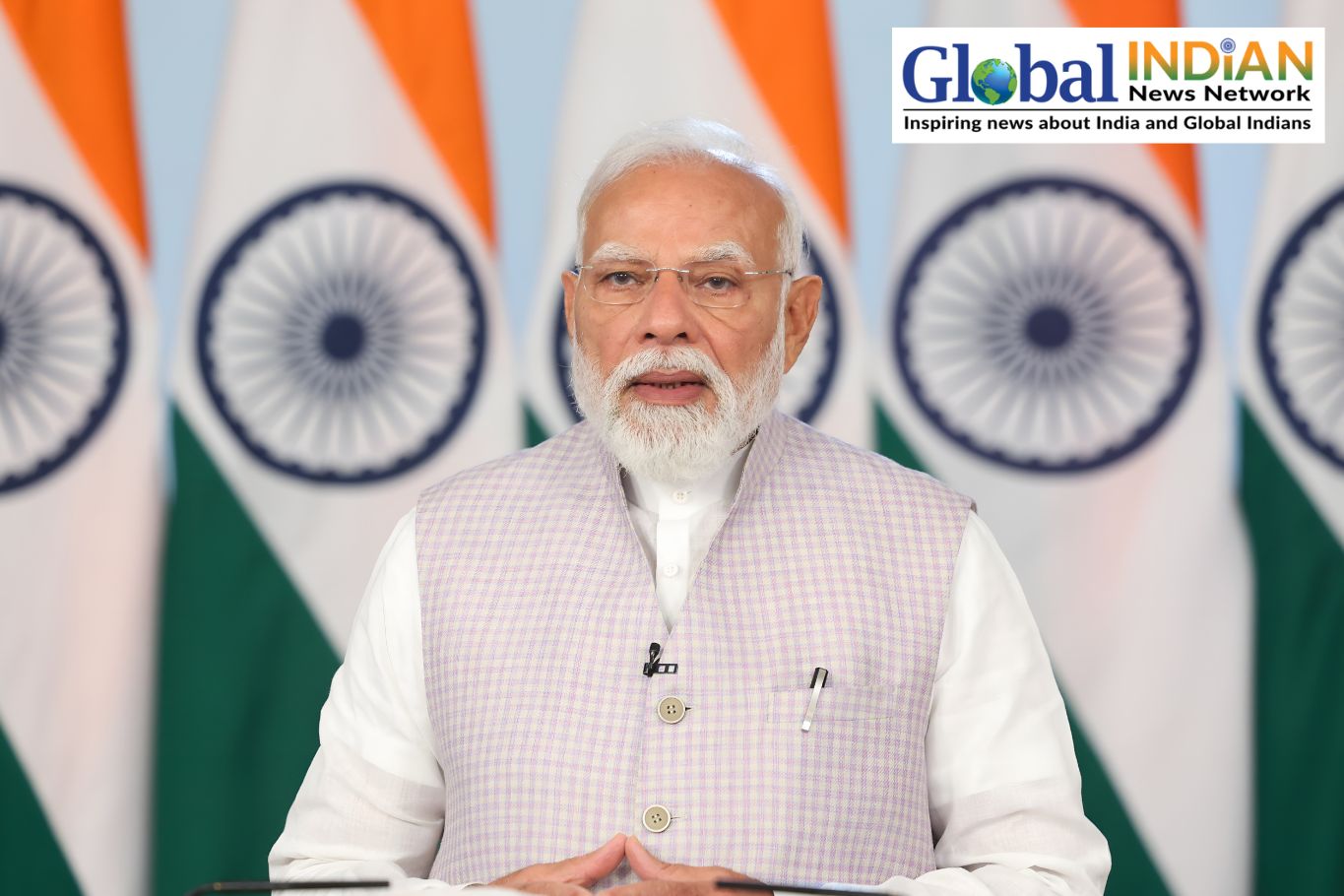
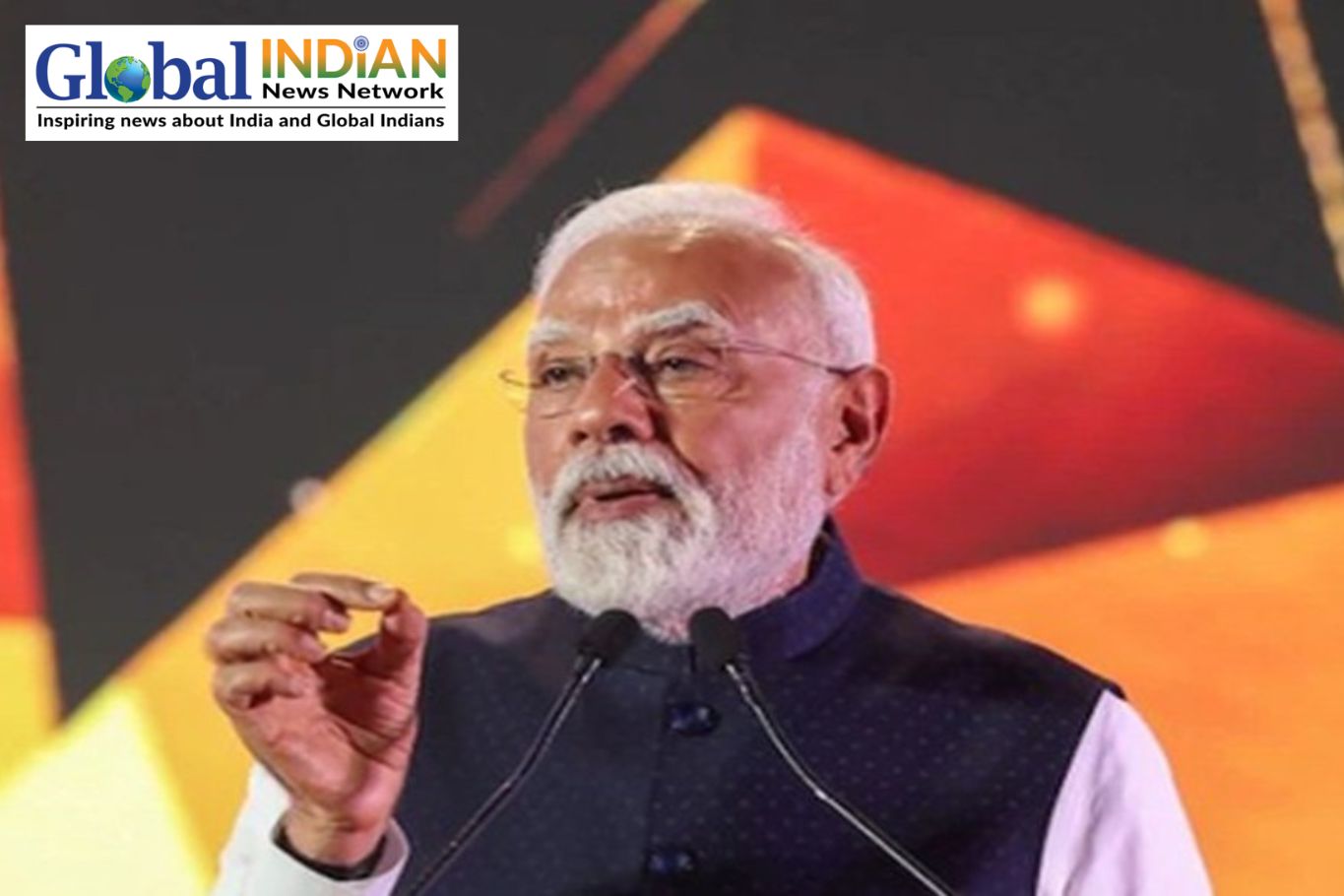
 Prime Minister Narendra Modi has emphasized that India’s economic rise is the result of sustained and carefully executed governance reforms rather than sudden, headline-grabbing policy moves. He noted that credibility, stability, and long-term confidence are the pillars shaping the country’s growth trajectory.
The Prime Minister was responding to an article titled Reform Express 2025 written by Union Minister for Petroleum and Natural Gas Hardeep Singh Puri. Sharing the article, PM Modi highlighted what he described as the steady and cumulative work of governance that has gradually removed structural bottlenecks across multiple sectors of the economy.
The Prime Minister’s Office said the article captures how reforms spanning labour laws, trade agreements, logistics, energy, and financial markets have created a strong base for India’s next phase of expansion. According to the PMO, these reforms demonstrate a consistent approach aimed at building trust and ensuring policy continuity.
In the article, Puri argued that while landmark achievements often dominate public attention, it is the continuous, week-by-week reform process that has strengthened India’s economic resilience. He pointed out that India has crossed a nominal gross domestic product of $4.1 trillion, overtaken Japan to become the world’s fourth-largest economy, and received a sovereign credit rating upgrade to BBB after nearly two decades, reflecting durable macroeconomic fundamentals.
On trade, the article highlighted that India’s total exports reached $825.25 billion in the 2024–25 period. Digital tools such as the Trade Connect e-Platform and the Trade Intelligence and Analytics portal have supported exporters, while major trade agreements with the United Kingdom, Oman, and New Zealand have expanded market access.
Puri also noted the rapid growth of India’s startup ecosystem, which now includes more than two lakh government-recognised startups generating over 21 lakh jobs. Digital platforms like the Open Network for Digital Commerce and the Government e-Marketplace have widened opportunities for micro and small enterprises.
The article outlined major legislative reforms, including the removal of outdated laws, a sharp reduction in compliance requirements, and the decriminalisation of thousands of legal provisions. The rollout of four labour codes has simplified wage, industrial relations, social security, and workplace safety regulations.
Energy reforms were presented as a key driver of long-term confidence. Measures to reduce investor risk, expand domestic exploration, and improve energy security were highlighted, alongside a proposed Nuclear Energy Mission valued at about $2,400 million to modernise India’s civil nuclear framework.
Concluding the reform narrative, Puri wrote that the government’s focus has been on easing the burden on entrepreneurs, modernising systems, and strengthening governance. He added that disciplined and consistent reforms are laying the groundwork for India’s next phase of high-growth development.