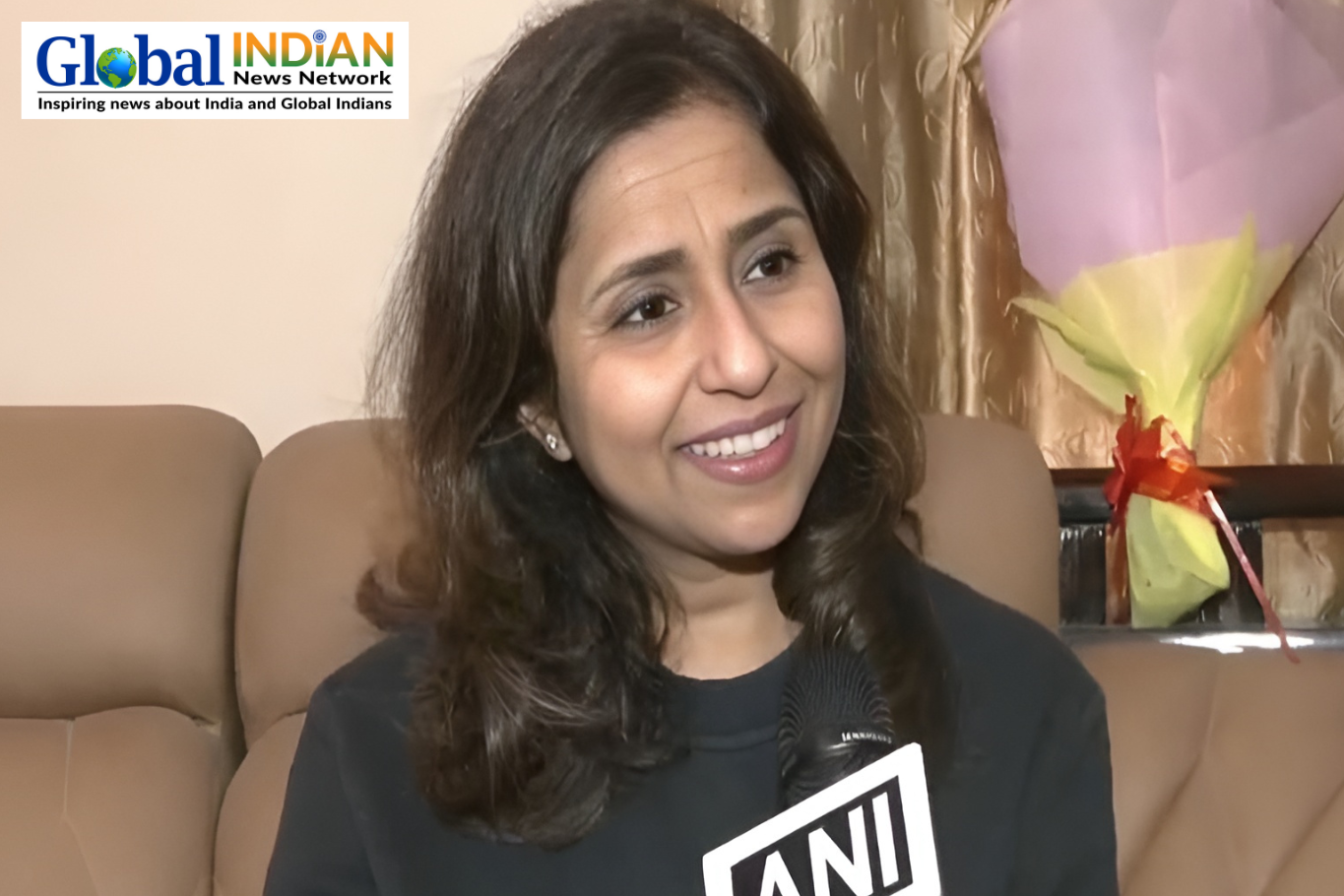
 Menka Soni has created a historic milestone in the United States by becoming the first Indian-American woman to take her oath of office on the Bhagavad Gita after being elected to the Redmond City Council in Washington state.
Speaking to ANI, Soni explained that she wanted her swearing-in ceremony to reflect her values, cultural heritage, and spiritual beliefs. “I am deeply spiritual, and I maintain a small temple at home. I am a vegetarian and celebrate festivals like Navratri, Holi, and Diwali. Spiritually, we have never really left India,” she said. She added that taking the oath on the Gita felt completely natural and aligned with her personal philosophy. “When I needed to take the oath, I wanted the teachings of the Gita to guide me, as they represent my values and culture. I received permission to do so,” she said.
Soni’s achievement adds to a growing number of Indian-origin leaders in American politics who have chosen the Bhagavad Gita for their oath-taking ceremonies. Earlier this year, in February, Kash Patel, an Indian-American, took his oath as the ninth director of the FBI using the Gita. Similarly, Congressman Suhas Subramanyam, the first Indian-American Congressman from the U.S. East Coast, swore in on the Gita in January.
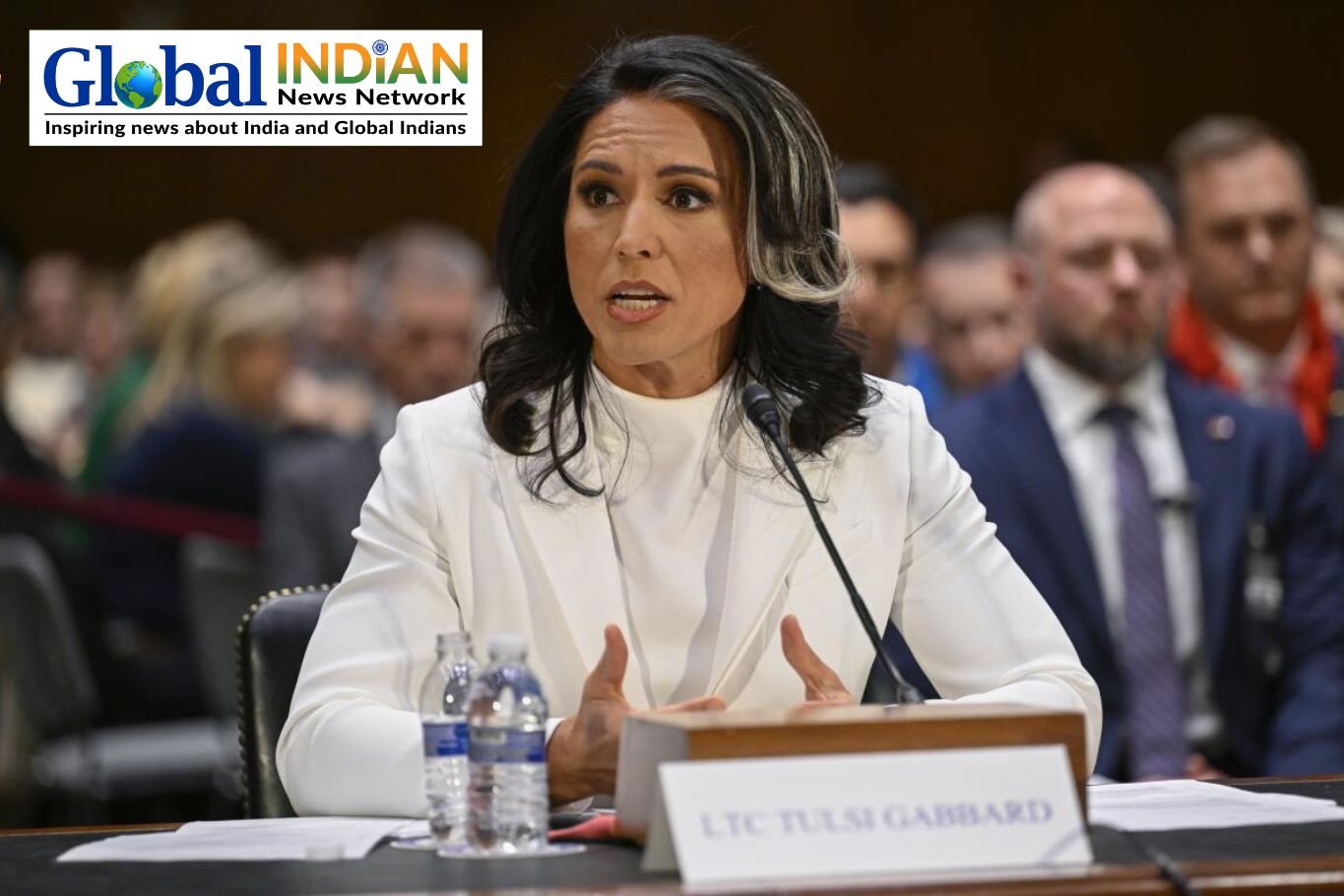
This tradition of incorporating the Bhagavad Gita in official oaths was first highlighted in 2013 when Tulsi Gabbard, now serving as the Director of National Intelligence, became the first Hindu American to be sworn into the U.S. House of Representatives representing Hawaii.
Soni’s choice underscores the growing visibility and influence of the Indian diaspora in U.S. public life. By integrating her spiritual beliefs into her official duties, she signals the increasing acceptance of diverse cultural and religious identities in American politics. Her swearing-in ceremony is both a personal affirmation of her heritage and an inspiring example for other Indian-Americans aspiring to leadership roles.
With her historic oath, Menka Soni not only represents her community in Redmond but also reinforces the message that cultural and spiritual roots can coexist with public service, highlighting the evolving landscape of American political representation.