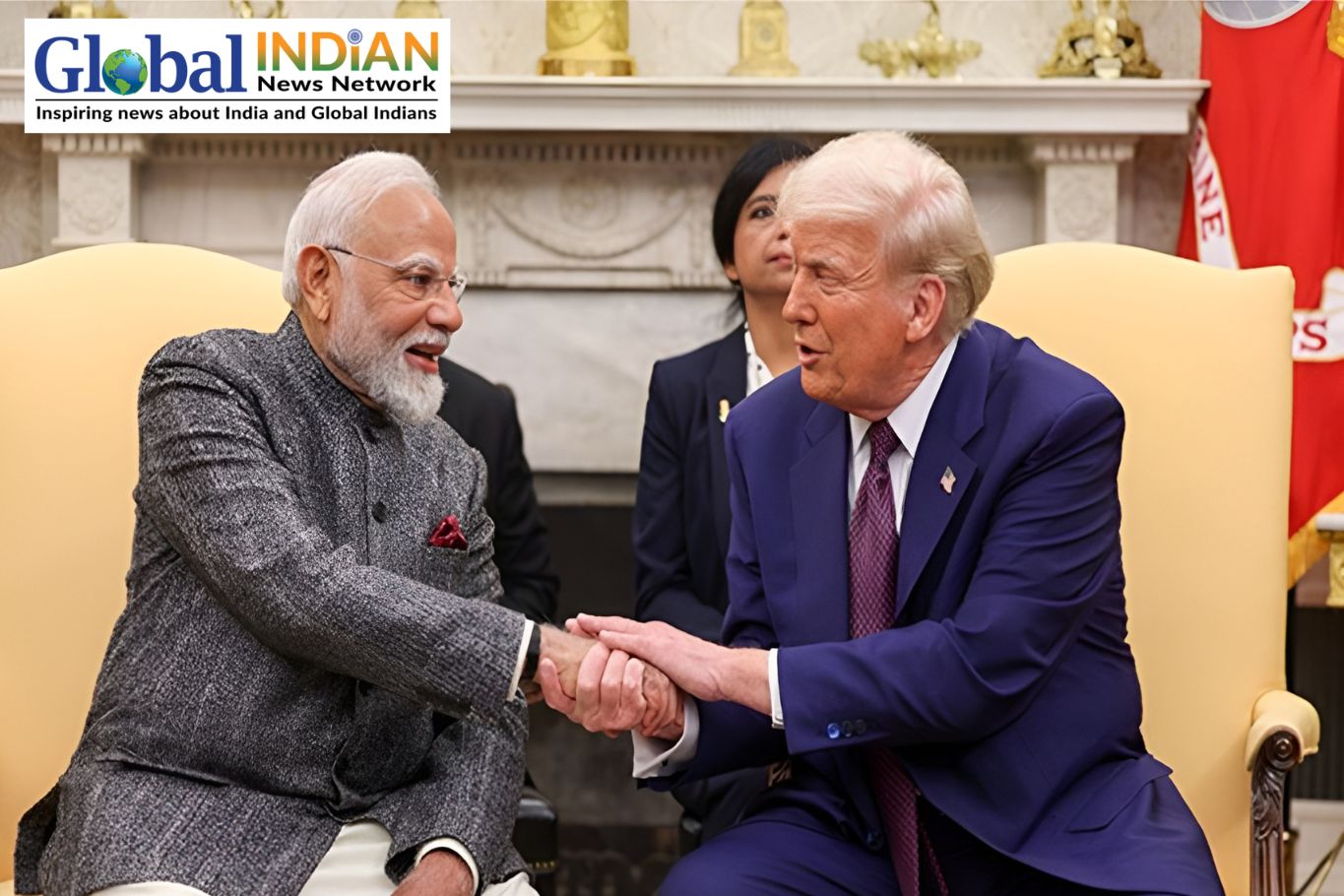
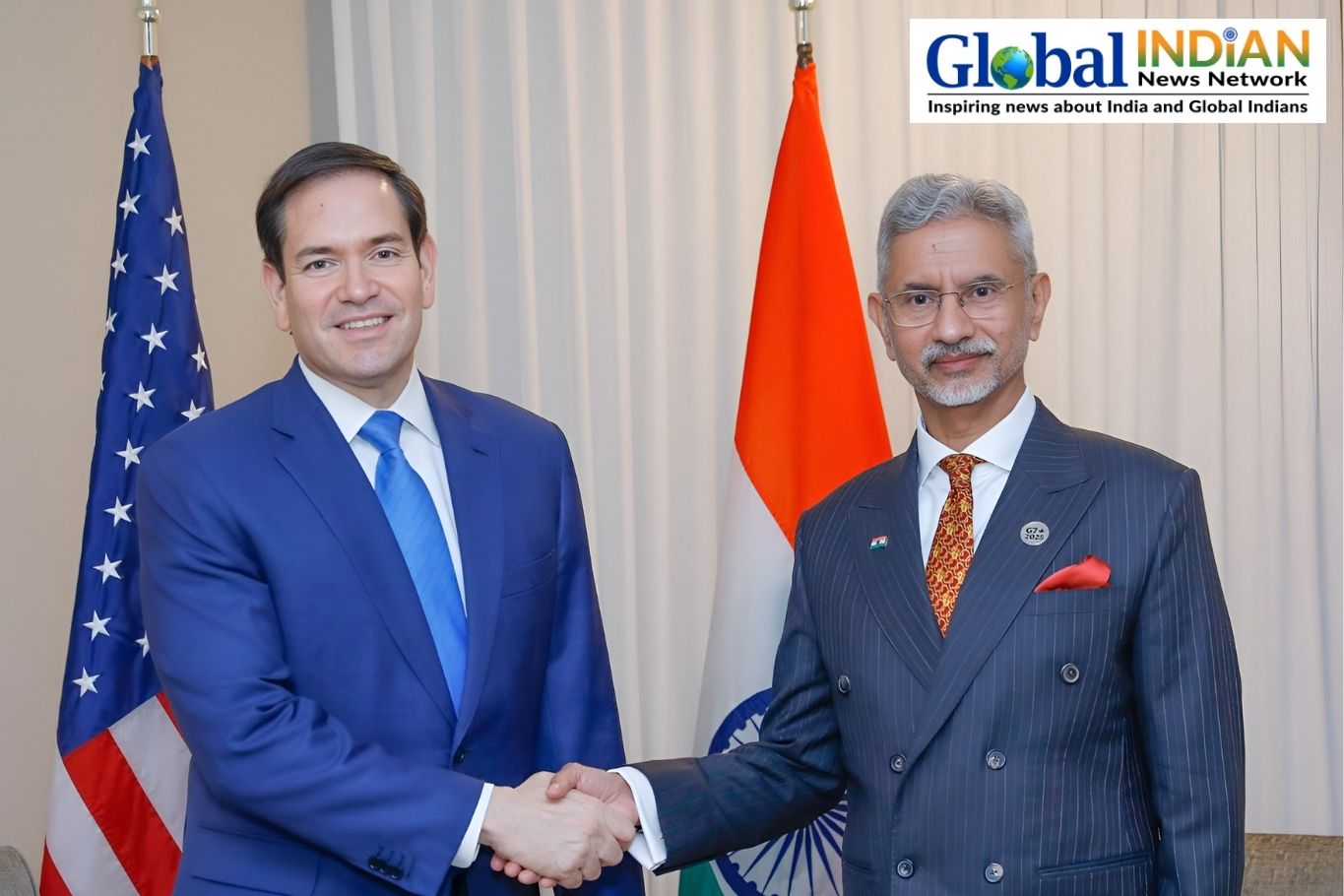
 India’s External Affairs Minister S. Jaishankar has strongly endorsed the newly announced US–India trade agreement, describing it as a major economic and strategic win for both countries. Speaking after discussions between Prime Minister Narendra Modi and US President Donald Trump, Jaishankar said the pact would create millions of dollars in economic value, generate new employment, and accelerate innovation across key industries. He emphasised that the deal would further strengthen India’s “Make in India” initiative by encouraging greater investment, manufacturing activity, and collaboration in trusted technologies. The minister, who arrived in New York for a three-day official visit to attend the Critical Minerals Ministerial hosted by US Secretary of State Marco Rubio, stressed that a strong economic partnership forms the backbone of a durable strategic relationship between the two nations.
Beyond government circles, the agreement drew reactions from public figures and policy experts. American singer and political commentator Mary Millben portrayed the deal as a moment of diplomatic reconciliation, highlighting what she called the “power of humility” in international negotiations. She credited President Trump for rebuilding constructive ties with Prime Minister Modi and praised India’s steady leadership during a period of global uncertainty. Millben expressed confidence that the partnership would unlock millions of dollars in shared prosperity and elevate both countries’ standing in global geopolitics.
Khanderao Kand, chief of policy and strategy at the Foundation for India and Indian Diaspora Studies, also welcomed the development, thanking both leaders for revitalising bilateral momentum. He noted that the agreement strengthens the centrality of US–India ties in the Indo-Pacific region and helps advance cooperation under the TRUST framework, which focuses on cutting-edge fields such as artificial intelligence, quantum computing, cybersecurity, robotics, space exploration, and defence technology. Kand further pointed to deeper engagement through multilateral platforms like the Quad and I2U2 as evidence of expanding strategic alignment.
Political commentator Javed Hassan observed that India secured a more favourable tariff arrangement than some of its regional counterparts while avoiding symbolic posturing, underscoring the pragmatic nature of the deal. Overall, the wide range of reactions reflects the significant political, economic, and public interest surrounding the agreement. Officials from both governments have indicated that in the coming months, the pact is likely to deepen collaboration across trade, technology, defence, and strategic domains, potentially unlocking millions of dollars in new investment and joint innovation initiatives.