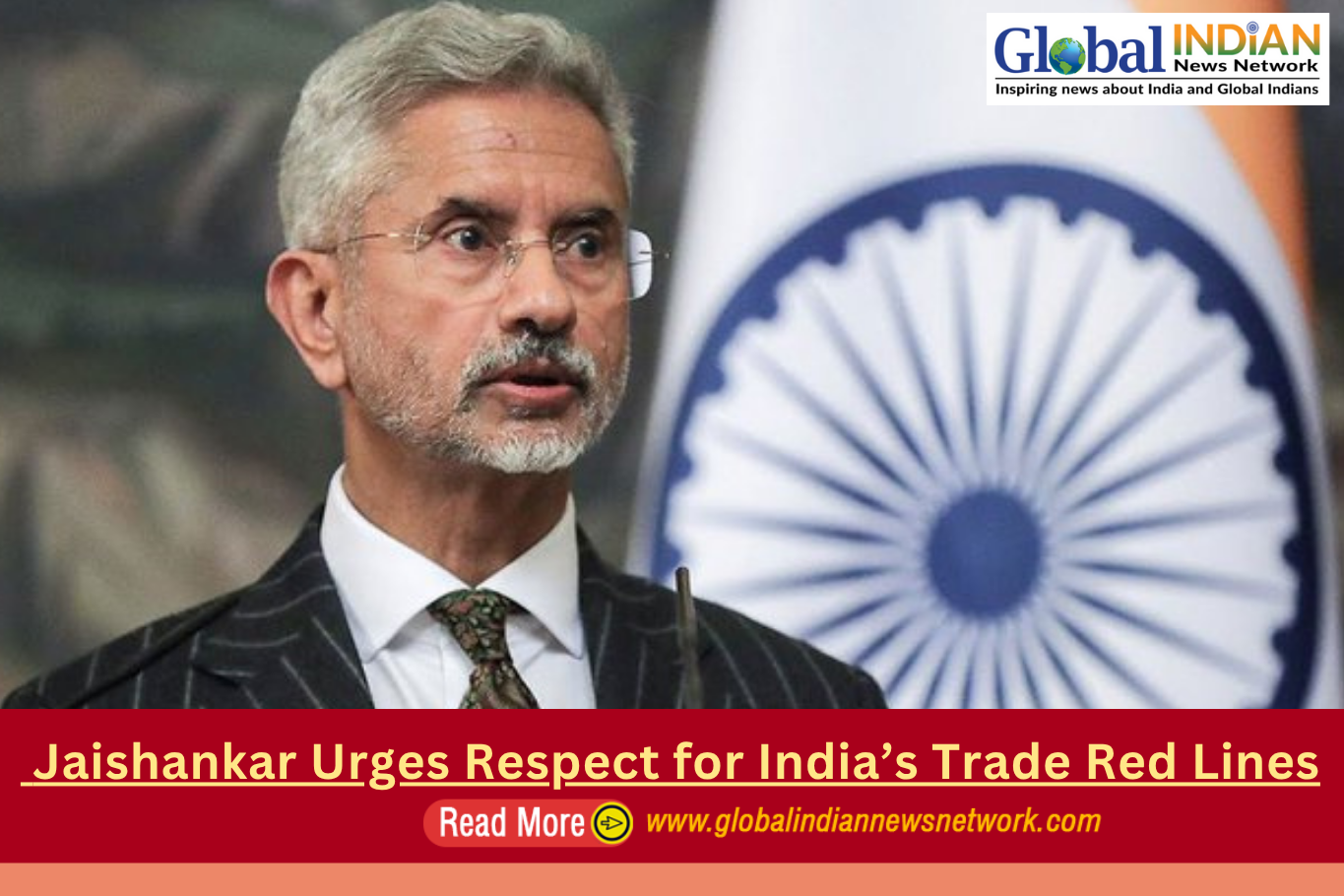
 External Affairs Minister S. Jaishankar acknowledged on Sunday that India and the United States face certain “problems and issues” in their bilateral relationship, particularly in trade negotiations, but insisted that progress is only possible if India’s economic red lines are respected. Speaking at the Kautilya Economic Conclave, he emphasized that while both nations aim for a trade understanding, India will not compromise on key concerns affecting its farmers, small-scale industries, and fishing communities.
Jaishankar said India has been in continuous discussions with the US since March to find a “landing ground” for trade, reiterating that negotiations must balance mutual interests while safeguarding India’s domestic priorities. “Any agreement must recognize our bottom lines,” he said, underscoring India’s firm stance on protecting vulnerable sectors from external pressure.
The trade tensions stem largely from former President Donald Trump’s tariff measures, which imposed a steep 50% duty on Indian imports, including 25% linked to India’s purchase of Russian oil. Calling the move “unfair,” Jaishankar argued that India has been unfairly singled out for sourcing energy from Russia, even though several nations with tougher stances toward Moscow continue similar transactions.
Despite these trade disagreements, Jaishankar emphasized that overall India-US relations remain steady and multifaceted. He dismissed speculation of a broader diplomatic rift, noting that “a large part of the relationship continues as business as usual, and in some areas, cooperation has even increased.”
Touching upon the Quad alliance, Jaishankar reaffirmed that the strategic partnership remains active, with foreign ministers from India, the US, Japan, and Australia having met twice this year. He assured that India’s commitment to the Quad framework is unwavering, reflecting continued engagement across political and bureaucratic levels.
Concluding his remarks, Jaishankar urged a balanced perspective in evaluating India-US ties, cautioning against extremes of complacency or alarm. “When times are turbulent, we must assess challenges responsibly and view them in proportion,” he said. His message reinforced that while differences exist, India’s approach to global partnerships remains pragmatic, confident, and rooted in protecting national interests.