External Affairs Minister S. Jaishankar held talks with Iran’s Deputy Foreign Minister Saeed Khatibzadeh on the sidelines of the Raisina Dialogue 2026 in New Delhi, as regional tensions in West Asia continue to dominate global strategic discussions.
The meeting took place during the 11th edition of the Raisina Dialogue, India’s flagship conference on geopolitics and geo-economics, which has brought together global leaders, policymakers and strategic experts in the national capital. The interaction between the two leaders came at a time when the situation in West Asia remains volatile following recent military escalations in the region.
The ongoing conflict was triggered after joint strikes by the United States and Israel targeted Iranian missile capabilities and military infrastructure. The developments led to heightened tensions across the region, with Tehran responding through drone and missile operations aimed at strategic targets.
Against this backdrop, diplomatic engagements at the Raisina Dialogue have focused on assessing regional stability, security concerns and the broader geopolitical implications of the conflict.
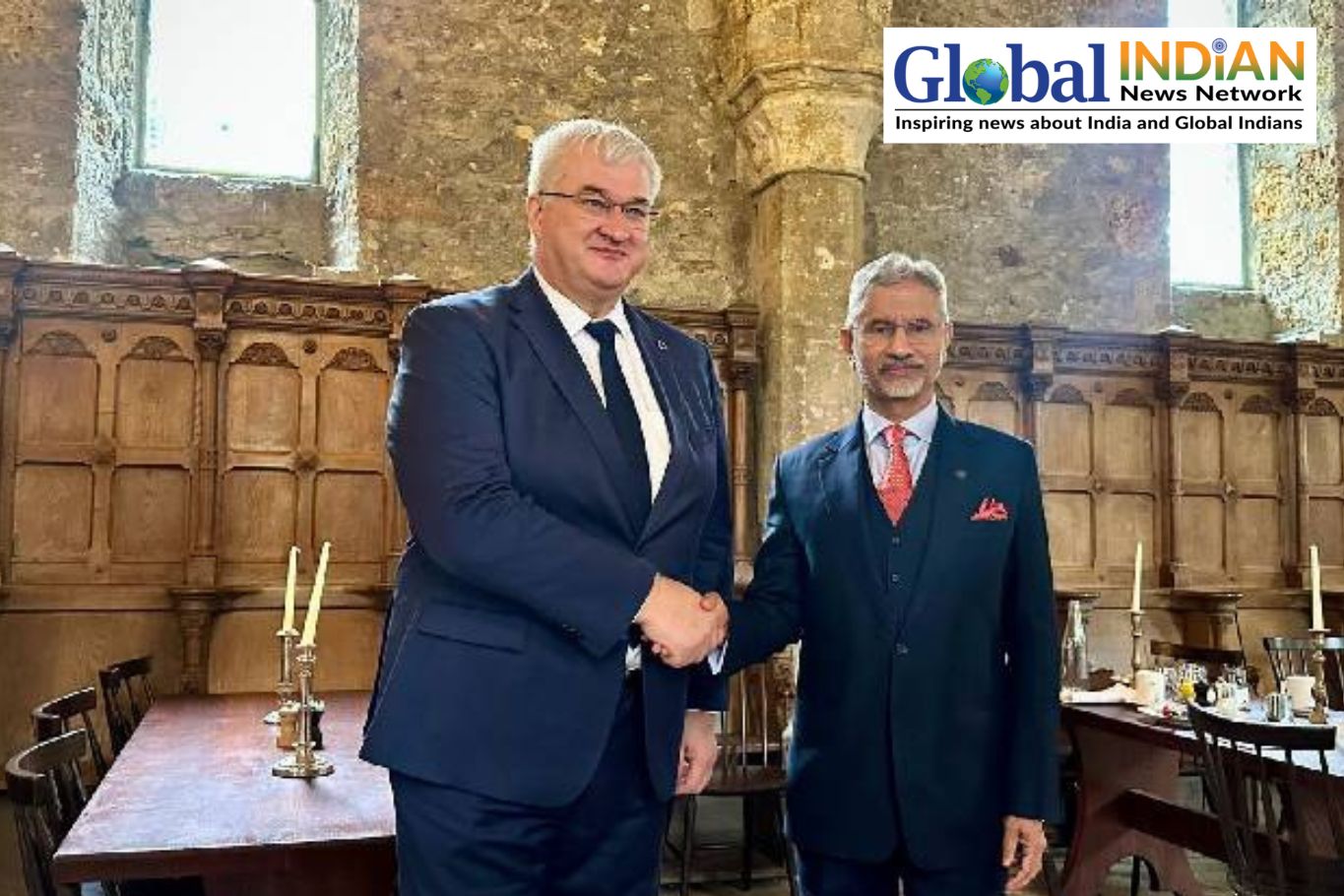
During the conference, Jaishankar also held a series of bilateral meetings with several international leaders and policymakers. These included discussions with France’s Minister Delegate for Europe Benjamin Haddad, Germany’s State Secretary for Economic Cooperation and Development Niels Annen, and Tanzania’s Deputy Foreign Minister Ng’waru Jumanne Maghembe.
The External Affairs Minister also interacted with leading policy thinkers and representatives from global institutions, including Robert Vass, founder and president of the GLOBESEC think tank, and Mark Leonard, co-founder and director of the European Council on Foreign Relations.
The Raisina Dialogue, organised by the Observer Research Foundation in collaboration with the Ministry of External Affairs, serves as a platform for deliberation on pressing global challenges and emerging geopolitical dynamics. The three-day event features discussions involving heads of state, ministers, academics, industry leaders, think tanks and media representatives.
This year’s edition revolves around the theme “Samskara: Assertion, Accommodation, Advancement” and explores major global issues through several thematic pillars covering geopolitics, climate change, technological transformation, global trade and the future of international cooperation.
Prime Minister Narendra Modi inaugurated the conference earlier in the week, with Finland’s President Alexander Stubb attending the opening session as the chief guest and delivering the keynote address. The dialogue continues to serve as a key forum for shaping conversations on global governance and international strategic partnerships.