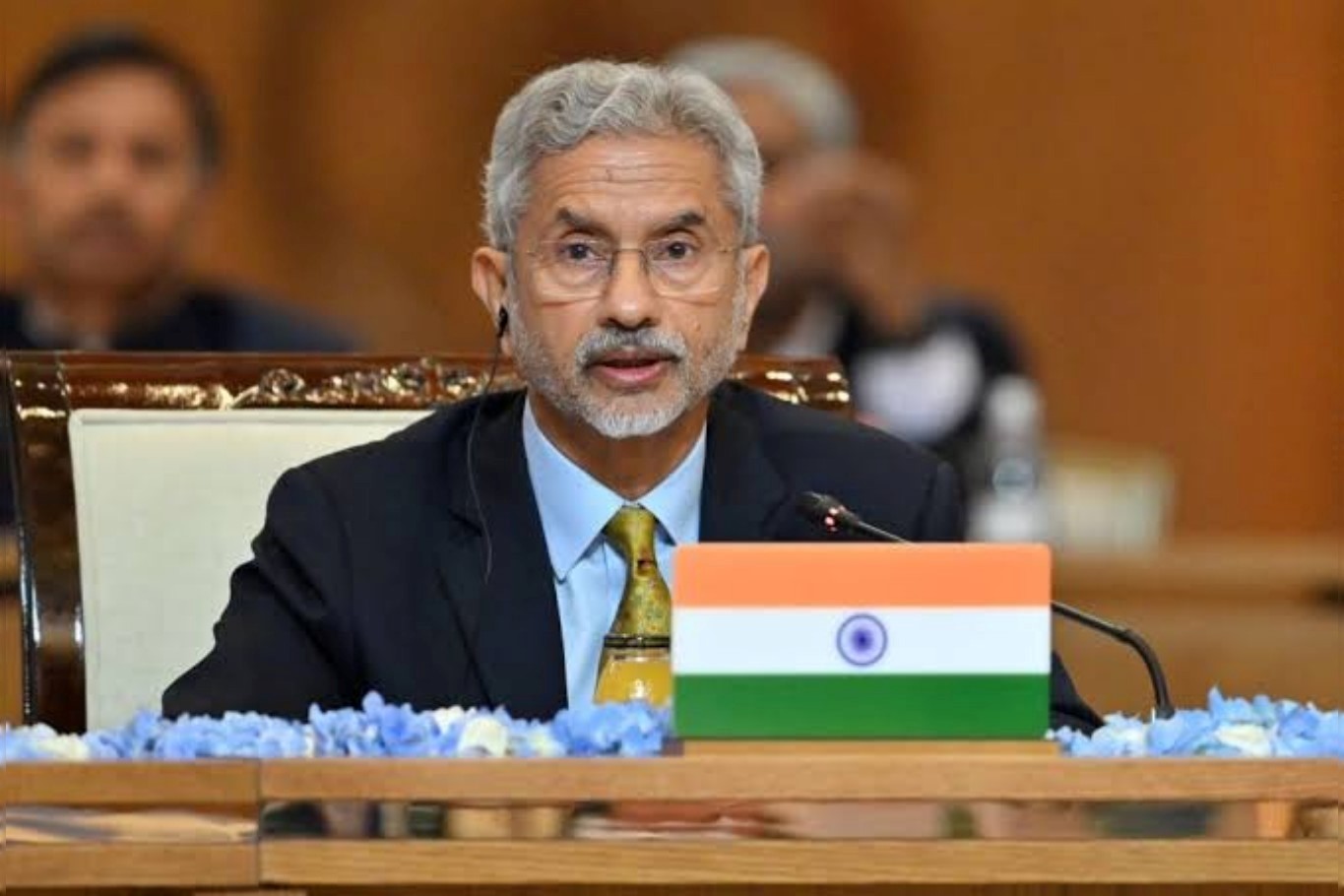
 India has launched a robust counter-terror operation, codenamed Operation Sindoor, following the brutal killing of 26 tourists in Pahalgam, Jammu and Kashmir, on April 22. External Affairs Minister S. Jaishankar, in an interview with Dutch broadcaster NOS, confirmed the continuation of these operations, signaling India’s firm stance on targeting terror networks, even across borders.
The attack in Pahalgam, reportedly executed after confirming the victims’ faith, was seen as an attempt to destabilize Kashmir’s tourism-reliant economy and provoke religious discord. Jaishankar linked the assailants to The Resistance Front (TRF), a group created by Lashkar-e-Taiba (LeT), a major Pakistan-based terror outfit. India had previously flagged TRF to the UN Security Council’s 1267 Sanctions Committee multiple times between 2023 and 2025.
As part of its response, India struck nine terror locations on May 7 in Pakistan and Pakistan-occupied Jammu and Kashmir (PoJK). These targets, Jaishankar noted, were already listed in the UN’s database of known terrorists. The offensive resulted in the deaths of over 100 militants linked to groups like Jaish-e-Mohammed (JeM), LeT, and Hizbul Mujahideen (HM).
Following the strikes, Pakistan launched cross-border shelling and drone attacks. In response, India escalated its operations, targeting strategic airbases across Pakistan. On May 10, eight Pakistani airfields were rendered non-functional through precise strikes on runways, radar systems, and command centers. Jaishankar emphasized that this show of force compelled Pakistan to agree to a ceasefire.
The Indian minister underscored that current operations aim to send a clear message: any future terror acts on Indian soil will be met with direct and decisive retaliation. While both nations reached a cessation of hostilities by May 10, Jaishankar made it clear that military restraint does not equate to inaction.
He reiterated that India’s actions are grounded in publicly available intelligence from UN reports, dismissing ambiguity about the origins of terrorist activity. The country’s firm counter-terrorism stance marks a strategic shift in ensuring internal security and holding cross-border terror outfits accountable.