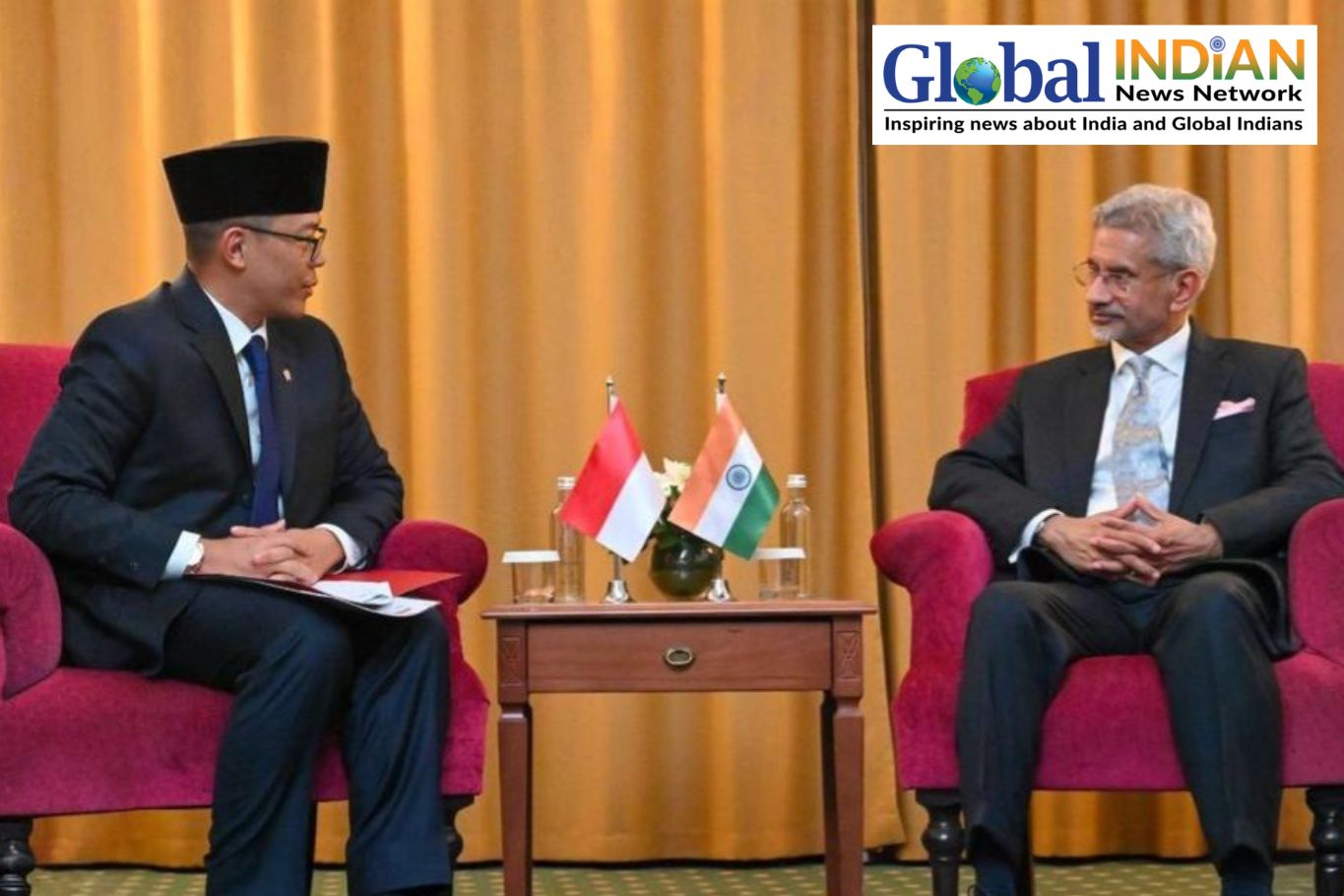
 External Affairs Minister of India, S. Jaishankar, has been actively engaging global counterparts to discuss the ongoing conflict in West Asia and strengthen bilateral ties. On March 12, he held a telephonic conversation with Indonesia’s Foreign Minister Sugiono, exchanging perspectives on regional security and agreeing to convene a Joint Commission meeting at an early date.
These discussions come in the wake of heightened tensions following the joint US-Israel strikes on Iran on February 28, which prompted retaliatory drone and missile attacks by Iran targeting US assets, regional capitals, and allied forces. In response, India has been maintaining close diplomatic contact with nations across the globe to monitor developments and coordinate responses.
In addition to Indonesia, EAM Jaishankar spoke with several other key leaders over the past few days. He held a conversation with Russian Foreign Minister Sergei Lavrov to review the West Asia conflict and take stock of bilateral cooperation agendas. Similarly, he engaged with the European Union High Representative for Foreign Affairs and Security Policy Kaja Kallas, discussing the conflict’s implications and ongoing diplomatic efforts.
Discussions with French Foreign Minister Jean-Noel Barrot focused on sharing assessments of the security situation, while talks with South Korea’s Cho Hyun covered both bilateral cooperation and regional energy implications. Jaishankar also connected with Germany’s Johann Wadephul to exchange views on the ongoing conflict.
Jaishankar has consistently underscored India’s commitment to de-escalation, dialogue, and diplomacy as the primary path forward. These engagements are coupled with efforts to ensure the safety of Indian nationals in the region and secure uninterrupted energy supplies amid volatile conditions.
India’s proactive diplomatic outreach demonstrates its strategic approach in managing the evolving West Asia situation. By coordinating with multiple countries and international organizations, India aims to support stability in the region while safeguarding its economic and energy interests, reinforcing its position as a responsible global actor during times of regional tension.