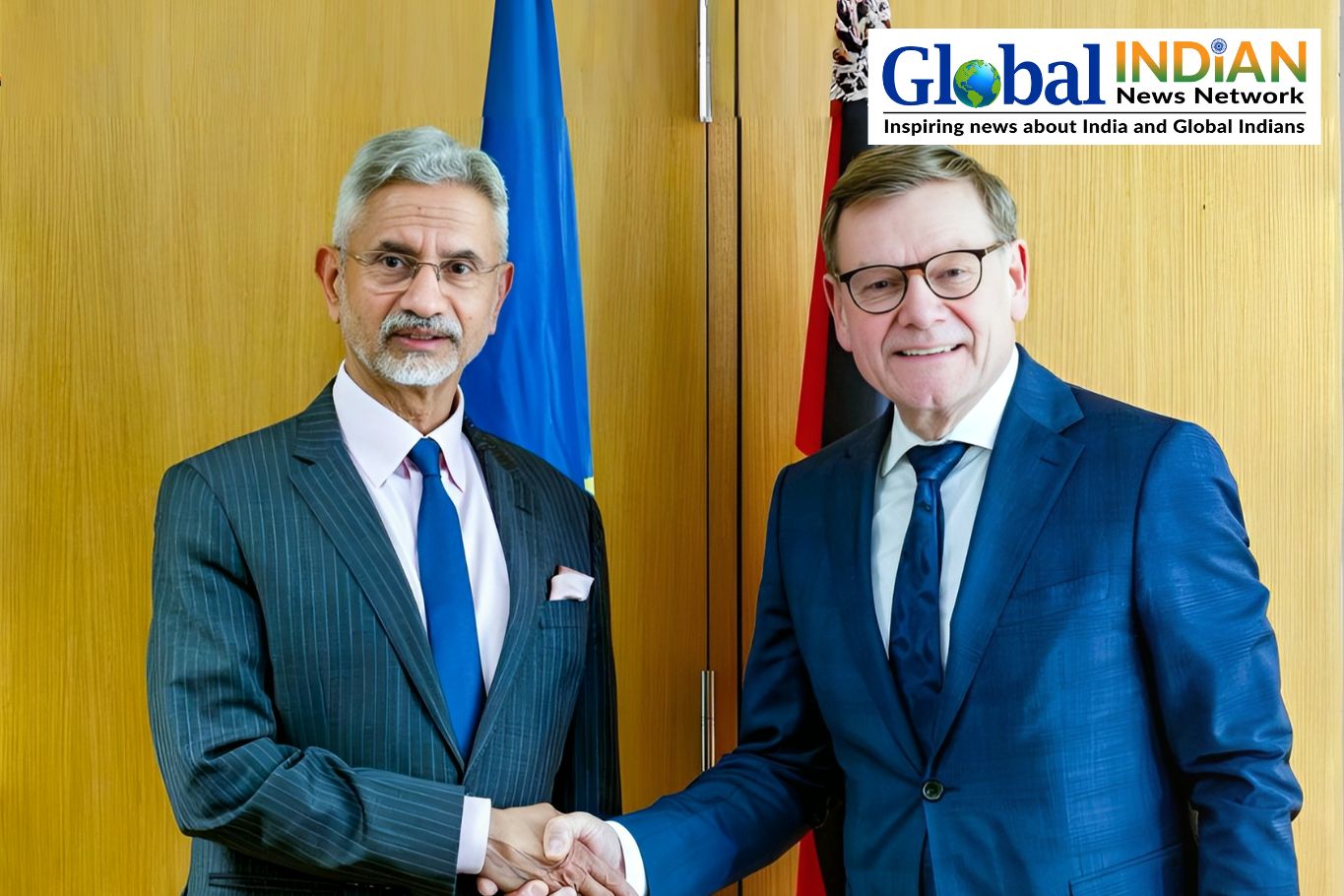
 External Affairs Minister S. Jaishankar on Monday confirmed that he held a detailed discussion with his German counterpart, Johann Wadephul, regarding the ongoing tensions in West Asia, which have now extended into their fourth week. Both leaders agreed to remain in regular contact as the situation continues to evolve and impact global stability. The conversation reflects growing coordination between nations as concerns over the crisis deepen.
Sharing insights from the discussion, Jaishankar described the exchange as productive and emphasized the importance of maintaining communication during such uncertain times. The interaction is part of a broader pattern of diplomatic engagement between the two ministers, who have been in close touch over the past few weeks to assess developments and explore coordinated responses.
Earlier in the month, the two leaders met in Brussels, where they reviewed not only the ongoing conflict but also various aspects of bilateral cooperation between India and Germany. Their discussions included an exchange of perspectives on the regional situation, highlighting the seriousness of the crisis and its potential long-term consequences. Prior to that, they had also connected to discuss the same issue, underlining the consistent nature of diplomatic consultations.
Jaishankar has been actively engaging with several global counterparts as tensions in West Asia continue to rise. His recent outreach efforts have included discussions with key international stakeholders, focusing on both immediate developments and broader regional implications. Among these engagements were conversations with senior leaders from Iran, as well as foreign ministers from multiple Gulf nations, reflecting India’s effort to stay connected with all sides involved.
The conflict began after military strikes carried out on February 28 by the United States and Israel targeting Tehran, which led to the death of Iran’s Supreme Leader, Ayatollah Ali Khamenei. Since then, the situation has escalated, drawing in multiple countries across the Gulf region and increasing concerns over critical trade and energy routes. Strategic locations such as the Strait of Hormuz have come under particular focus due to their importance in global energy supply chains.
India’s response to the crisis has been measured and balanced, with its leadership maintaining consistent diplomatic engagement without taking sides. This approach reflects a broader strategy aimed at safeguarding national interests while contributing to efforts for stability in the region. By staying in close contact with key global players, India continues to monitor developments and adapt its response to the rapidly changing geopolitical landscape.