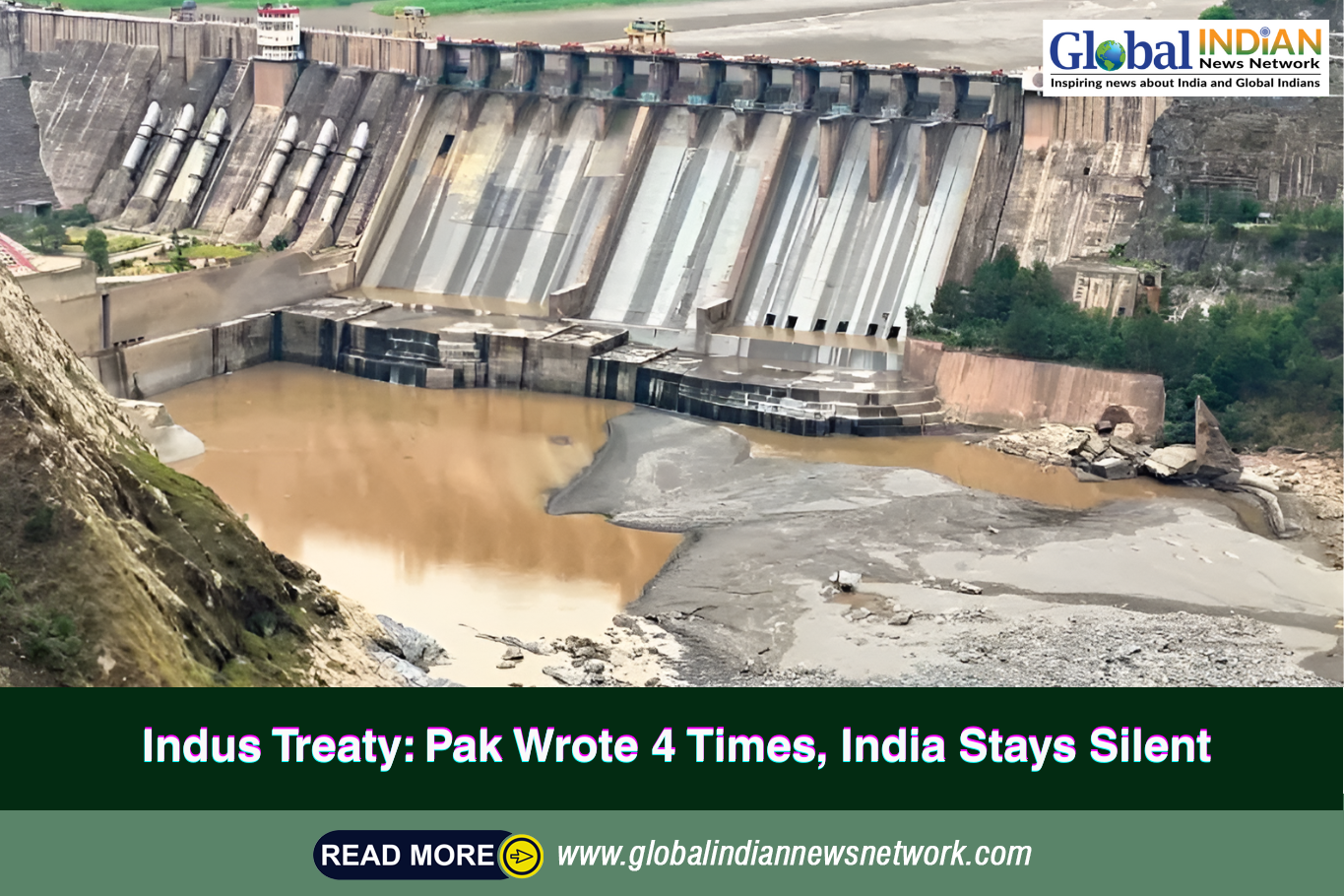
 In a dramatic escalation of tensions, Pakistan is grappling with a deepening water crisis following India’s decision to suspend the Indus Water Treaty (IWT). Sources revealed that Pakistan’s Ministry of Water Resources Secretary, Syed Ali Murtaza, penned four official letters to India’s Ministry of Jal Shakti, urging a reconsideration of the decision. These appeals were forwarded to the Ministry of External Affairs, but no favorable response has emerged from New Delhi.
The treaty, signed in 1960 and brokered by the World Bank, had long survived the geopolitical strains between the neighbors. However, on April 23, just a day after 26 tourists were killed in a terrorist attack in Pahalgam, India decided to suspend the IWT—marking the first such move since the treaty’s inception.
India has made its position clear: the treaty will remain on hold until Pakistan “credibly and irreversibly” halts its backing of terrorism across the border. Prime Minister Narendra Modi, after launching Operation Sindoor, declared that “terror and talks cannot happen together” and famously stated that “water and blood cannot flow together.”
As a result of the suspension, Pakistan is facing acute water shortages. Reports suggest that major dams are running dry, impacting power generation, agriculture, and daily life. Senator Syed Ali Zafar described the situation in alarming terms during a parliamentary session, calling it a “water bomb” threatening the lives and livelihoods of millions. With over 90% of Pakistan’s crops and millions of residents relying on the Indus Basin, the pressure on Islamabad has intensified.
Adding to the diplomatic drama, Pakistani leaders have labeled India’s move as an “act of war.” Prime Minister Shehbaz Sharif has shown willingness to resume peace talks, but India remains unmoved.
At a recent UN Security Council meeting, India’s representative, P Harish, defended the suspension, citing Pakistan’s consistent undermining of the treaty’s goodwill, along with India’s increasing clean energy needs, demographic shifts, and evolving climate challenges.
As both nations dig in, Pakistan’s desperation is growing while India stands firm, linking any future dialogue to the absolute end of terrorism.