 India’s expanding tunnel infrastructure is emerging as a critical driver of improved connectivity, economic growth and national resilience, reflecting a strategic shift toward smarter and more sustainable development. By overcoming challenging terrain and harsh climatic conditions, tunnel projects are addressing long-standing connectivity gaps and strengthening access to remote regions.
Landmark projects such as the Atal Tunnel highlight how modern engineering is transforming mobility across mountainous landscapes. Stretching 9.02 kilometres beneath the Pir Panjal range, the tunnel provides year-round connectivity by bypassing the Rohtang Pass. Officially recognised by the World Book of Records UK as the world’s longest highway tunnel above 10,000 feet, it has reduced the Manali–Sarchu distance by 46 kilometres and cut travel time by four to five hours.
India’s tunnelling push is being driven by rapid national highway expansion, strategic border infrastructure development, metro rail projects, high-speed rail corridors and all-weather connectivity initiatives in remote and high-altitude regions. As infrastructure investment scales up, tunnelling has become one of the fastest-growing segments of the construction sector.
In Jammu and Kashmir, the Sonamarg Tunnel is set to significantly transform regional travel. Built at an altitude of over 8,650 feet and spanning 12 kilometres, the project includes a main tunnel, an egress tunnel and modern approach roads. Once operational, it will provide a reliable all-weather link between Srinagar, Sonamarg and Ladakh, supporting tourism, trade and local livelihoods.
The upcoming Zojila Tunnel is expected to further enhance connectivity between Ladakh and the rest of the country. Designed to cut through some of the most challenging Himalayan rock formations, the tunnel will reduce travel distance and significantly increase average travel speeds. Equipped with advanced safety features and modern ventilation systems, it is expected to play a key role in improving defence logistics, winter mobility and economic activity in the region.
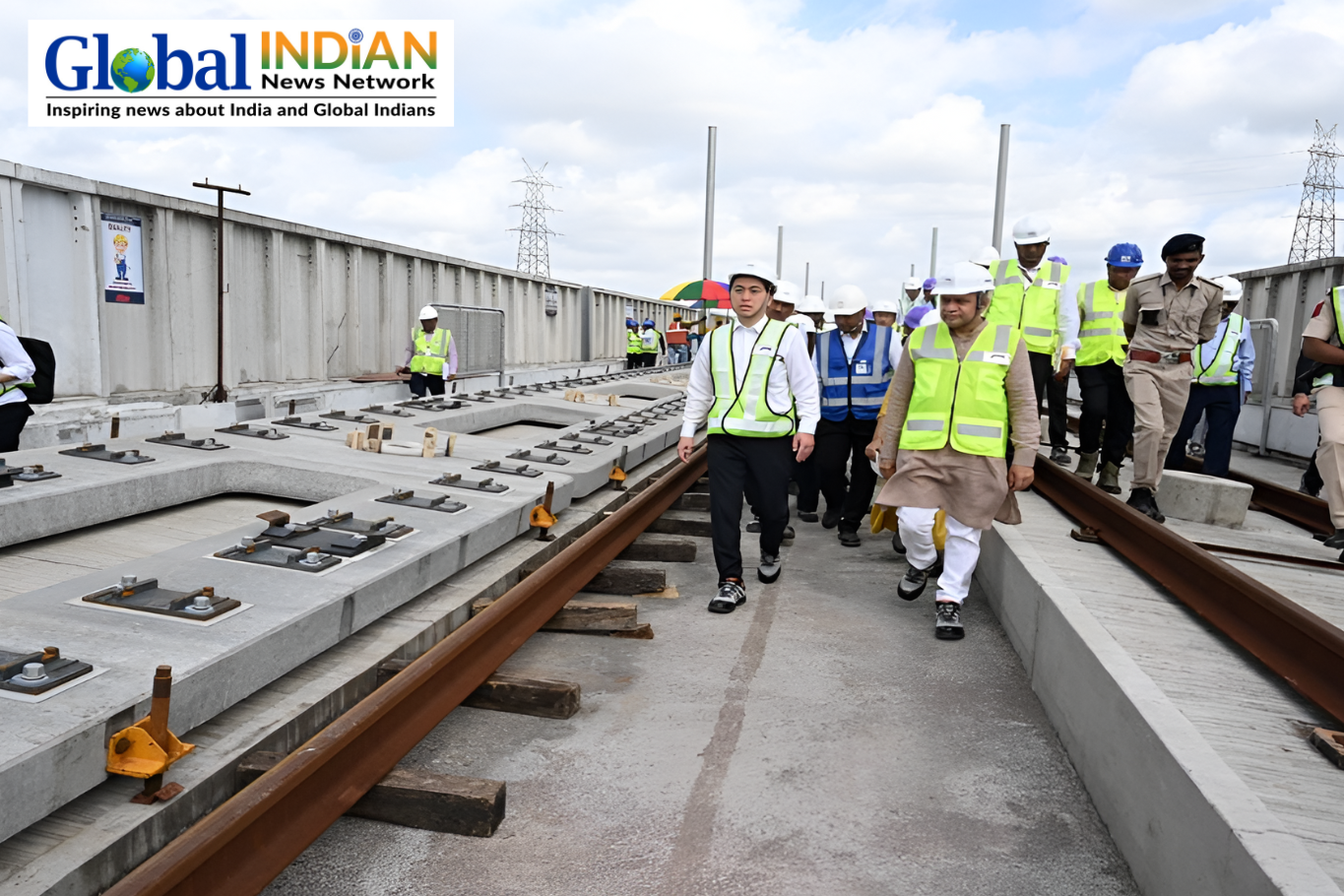
Beyond road infrastructure, tunnelling has also enabled major advances in rail connectivity. The Mumbai–Ahmedabad High-Speed Rail corridor has achieved a milestone with the breakthrough of its undersea tunnel section, signalling India’s progress toward next-generation transport infrastructure.
Together, these projects underline how India’s tunnel infrastructure is not only solving geographical challenges but also strengthening national integration, boosting regional economies and supporting long-term development priorities.