India’s response to the Pahalgam terror attack signals a decisive shift in how New Delhi tackles cross-border terrorism, according to Aparna Pande, Director of the India Initiative at the Hudson Institute. Speaking to ANI, Pande explained that the era of “strategic restraint” has ended, replaced by a policy of swift, calculated retaliation.
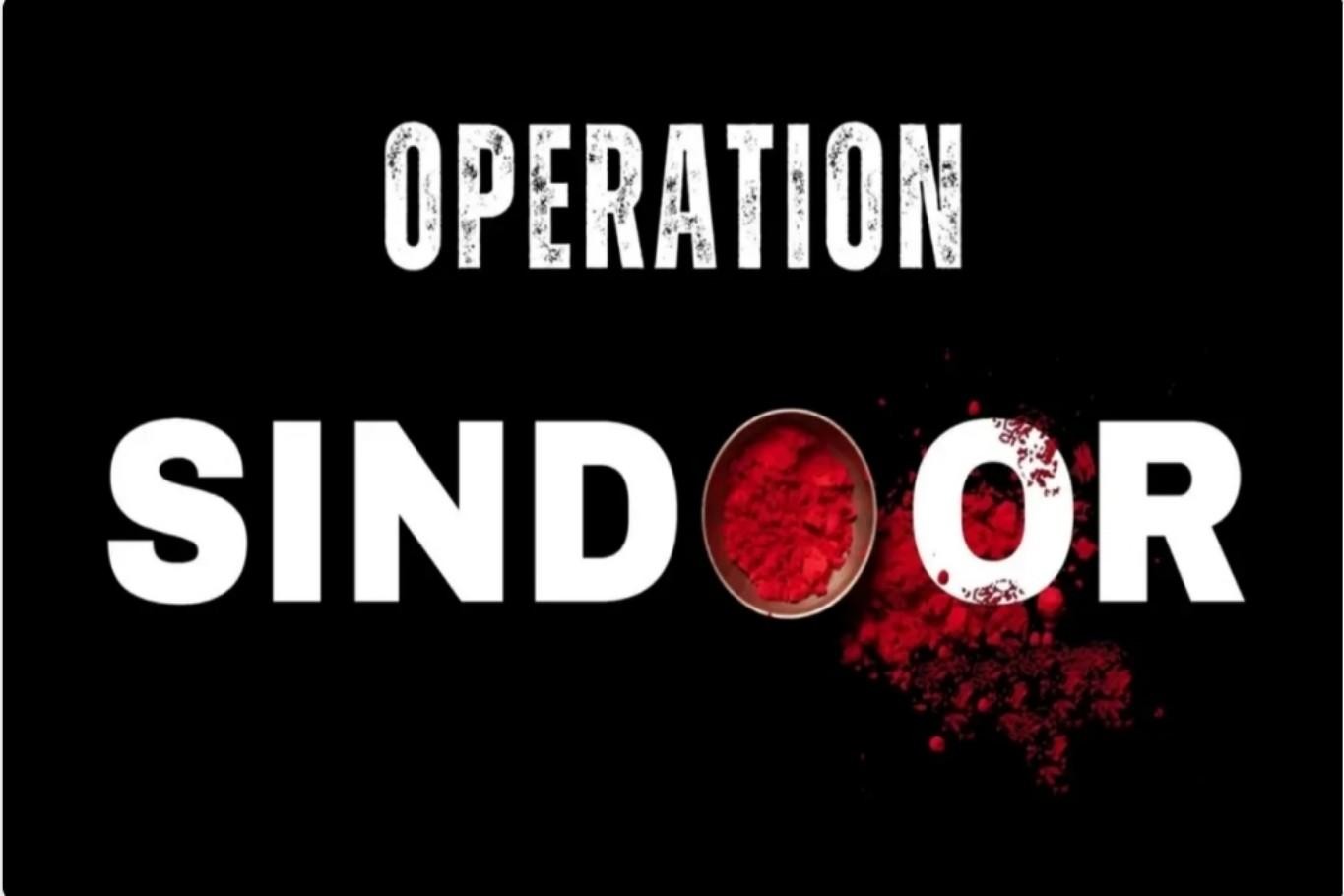
Referencing the May 7 Operation Sindoor strikes that followed the April 22 attack in Jammu and Kashmir’s Pahalgam, Pande said India has shown it is now willing to escalate its military response without necessarily crossing into full-scale war. “There is now an understanding that India can strike terror outfits across the border, and that there’s operational space for conventional escalation without triggering war,” she said.
Pande also pointed out that India’s strategy now includes direct strikes on terror hubs in Pakistan and a long-term security posture that factors in the growing China-Pakistan military alliance. This includes the integration of India’s air defence capabilities to prepare for future multi-front threats.
Operation Sindoor was launched 14 days after the targeted killing of 26 civilians in Pahalgam by Pakistan-backed militants. In a precise and coordinated assault, the Indian Armed Forces hit nine terror sites across Pakistan and Pakistan-occupied Kashmir, reportedly neutralizing over 100 terrorists. Following this, Pakistan launched missile and drone attacks at Indian military and civilian targets—but its efforts were swiftly repelled.
In retaliation, the Indian Air Force conducted operations that reportedly bypassed and jammed Pakistan’s Chinese-supplied air defence systems, inflicting severe damage on military installations from Nur Khan to Sargodha. After three days of heavy losses, Pakistan sought a ceasefire.
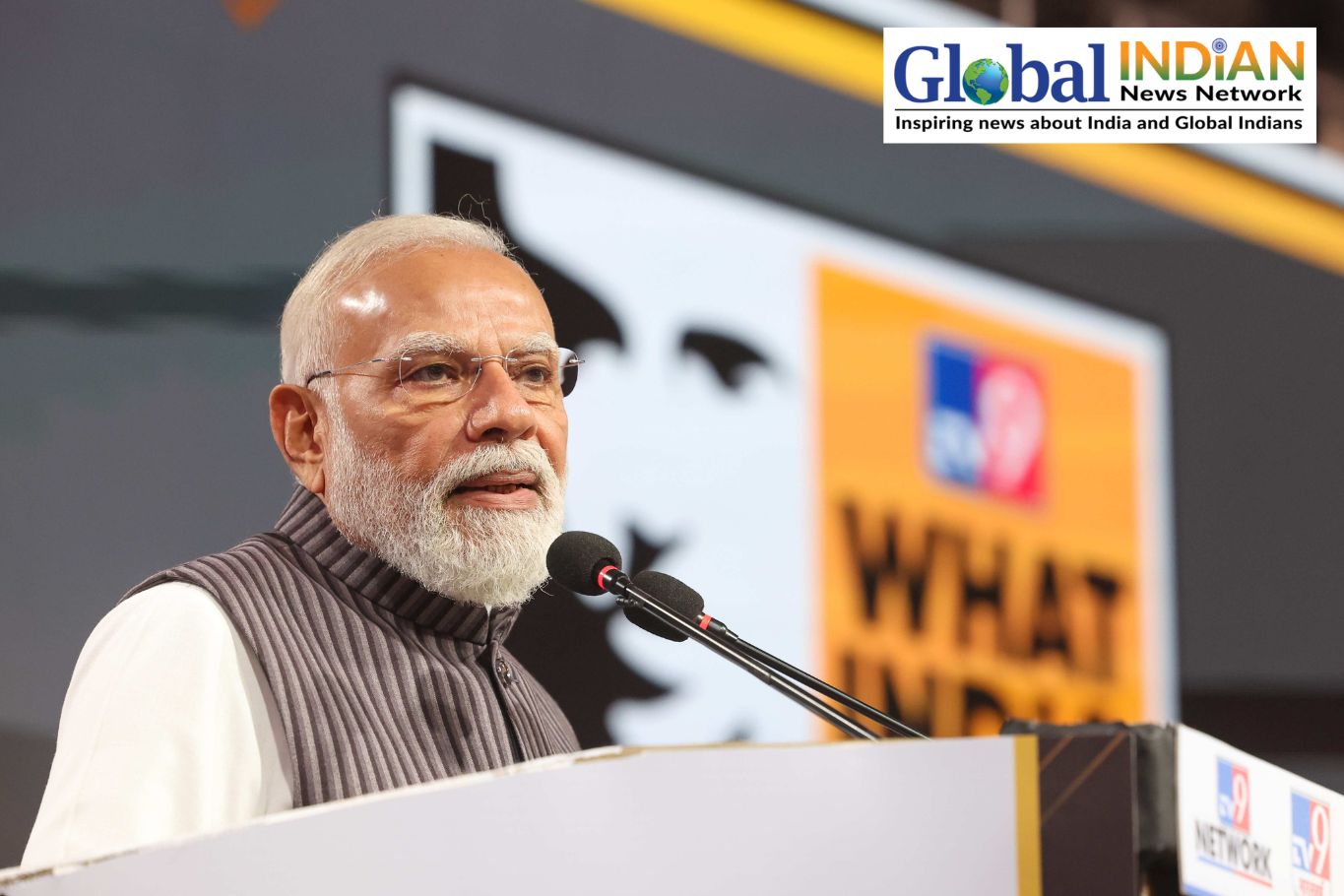
Prime Minister Narendra Modi, in his first address after Operation Sindoor, described the mission as more than just a tactical move. “This was a doctrinal shift—a firm and lasting message that India will no longer tolerate terror,” he said, indicating that such swift responses will define India’s counter-terrorism approach going forward.