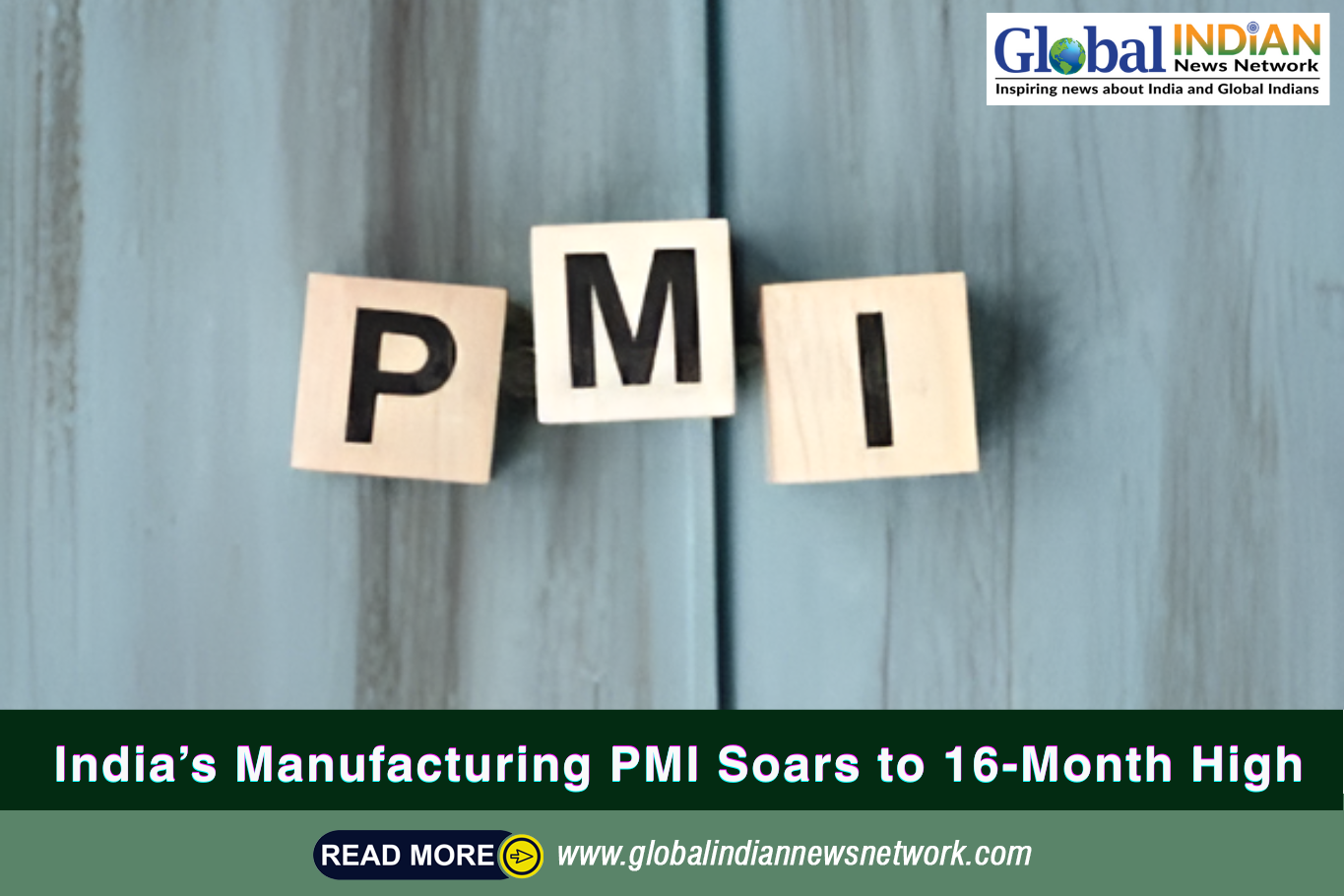
 India’s manufacturing industry witnessed a strong rebound in July 2025, with the HSBC India Manufacturing Purchasing Managers’ Index (PMI) climbing to 59.1, marking a 16-month peak, according to S&P Global data. This increase from June’s 58.4 reading highlights a surge in new factory orders—the quickest in nearly five years—alongside a notable boost in output, particularly in the intermediate goods segment.
Despite this solid growth, business sentiment dipped to a three-year low, signaling caution among manufacturers. This decline in confidence stemmed from rising competition and persistent concerns about inflation, which continue to shadow the otherwise optimistic outlook.
Although hiring remained muted, the sector’s overall trajectory remained positive, thanks to manageable input cost increases and improved pricing leverage. While prices rose modestly for key inputs like aluminum, rubber, and steel, companies were able to pass on the costs by raising selling prices more aggressively, fueled by strong customer demand.
Inventory movements showed healthy economic signals. Businesses increased restocking of raw materials, while finished goods inventories declined—suggesting robust sales during the month.
In terms of inflation, although input costs edged up slightly, the rise was not significant enough to derail momentum. Strong pricing power allowed manufacturers to protect margins without curbing demand.
As India enters the second half of 2025, the manufacturing sector is well-positioned, supported by resilient demand, steady production, and pricing strength. However, companies remain alert to economic pressures, including inflationary trends and competitive market forces, which could challenge continued expansion in the coming months.
The latest figures reflect not only the sector’s resilience but also its ability to adapt in a high-demand environment. Whether this momentum can be sustained will depend on global input costs, hiring flexibility, and India’s domestic consumption strength.