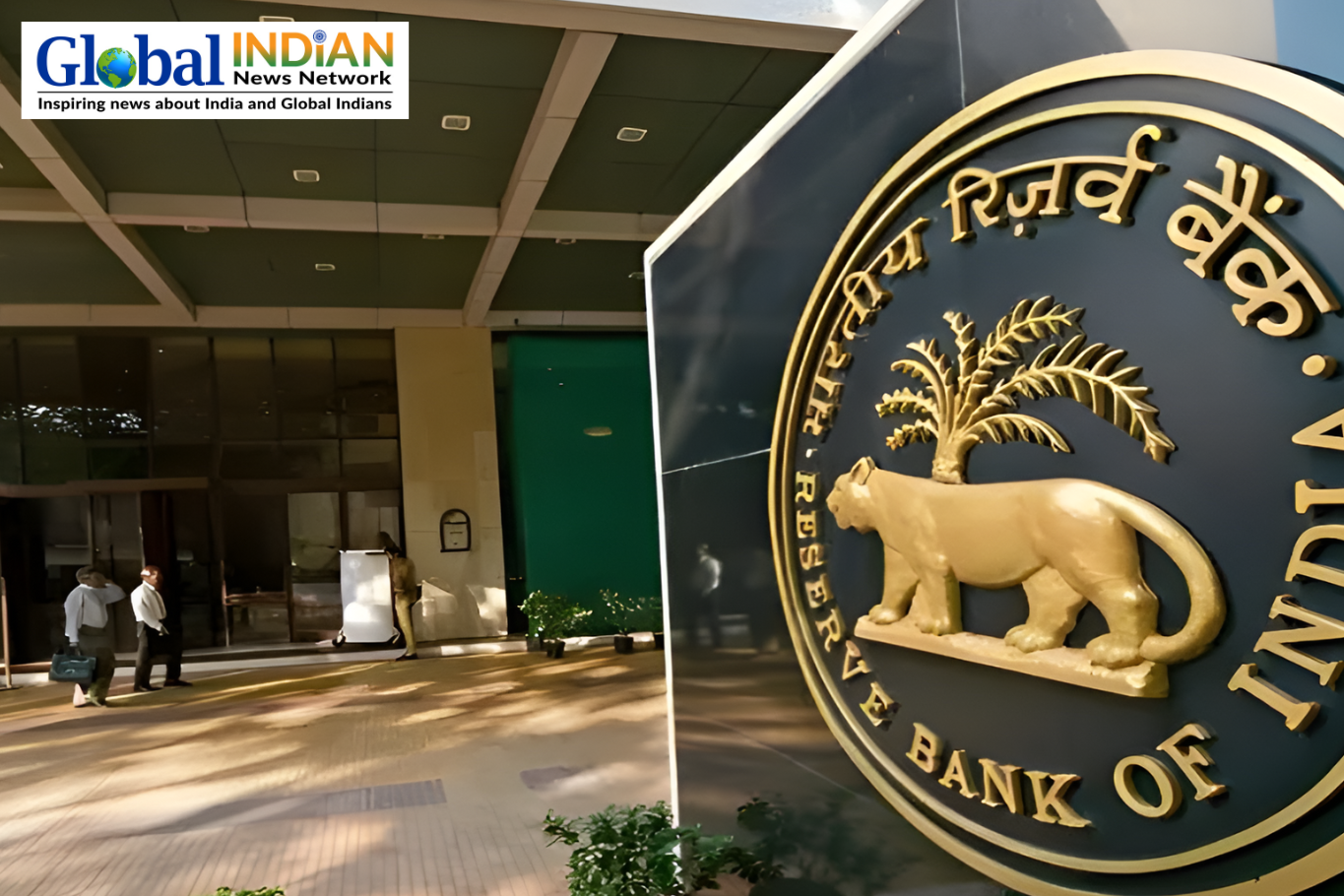
 India’s foreign exchange reserves rose by $1.03 billion to $687.26 billion for the week ending December 5, according to data released by the Reserve Bank of India. The increase was led by a sharp jump in gold reserves, which climbed by $1.188 billion to $106.984 billion. Special Drawing Rights also increased by $95 million to $18.721 billion.
The central bank continues to actively monitor currency market movements and intervenes when required to maintain orderly trading conditions.
India has witnessed a surge in foreign direct investment commitments this year, with total FDI inflows during the first half of FY 2025–26 reaching $50.36 billion, a 16 per cent increase compared to the same period last year. This marks the highest-ever FDI recorded in the first half of any financial year.
Government data shows that gross FDI inflows have risen from $34 billion in 2012–13 to over $80 billion in 2024–25. Officials attribute the recent trends in net FDI to increased repatriation, divestments, and a rise in Overseas Direct Investment outflows, driven by liberalised ODI rules introduced in 2022. These measures have enabled Indian companies to expand their global presence and strengthen long-term competitiveness.
Officials note that the growing rate of repatriation reflects India’s appeal as a reliable and profitable investment destination. The government continues to leverage free trade agreements to boost export diversification and attract greater investment. India has so far signed 15 FTAs and six preferential trade agreements with key global partners.