 India’s energy sector is on track to emerge as a global case study in managing scale, speed and sustainability, Commerce and Industry Minister Piyush Goyal said, highlighting the country’s transition from power scarcity to power security and sustainability.
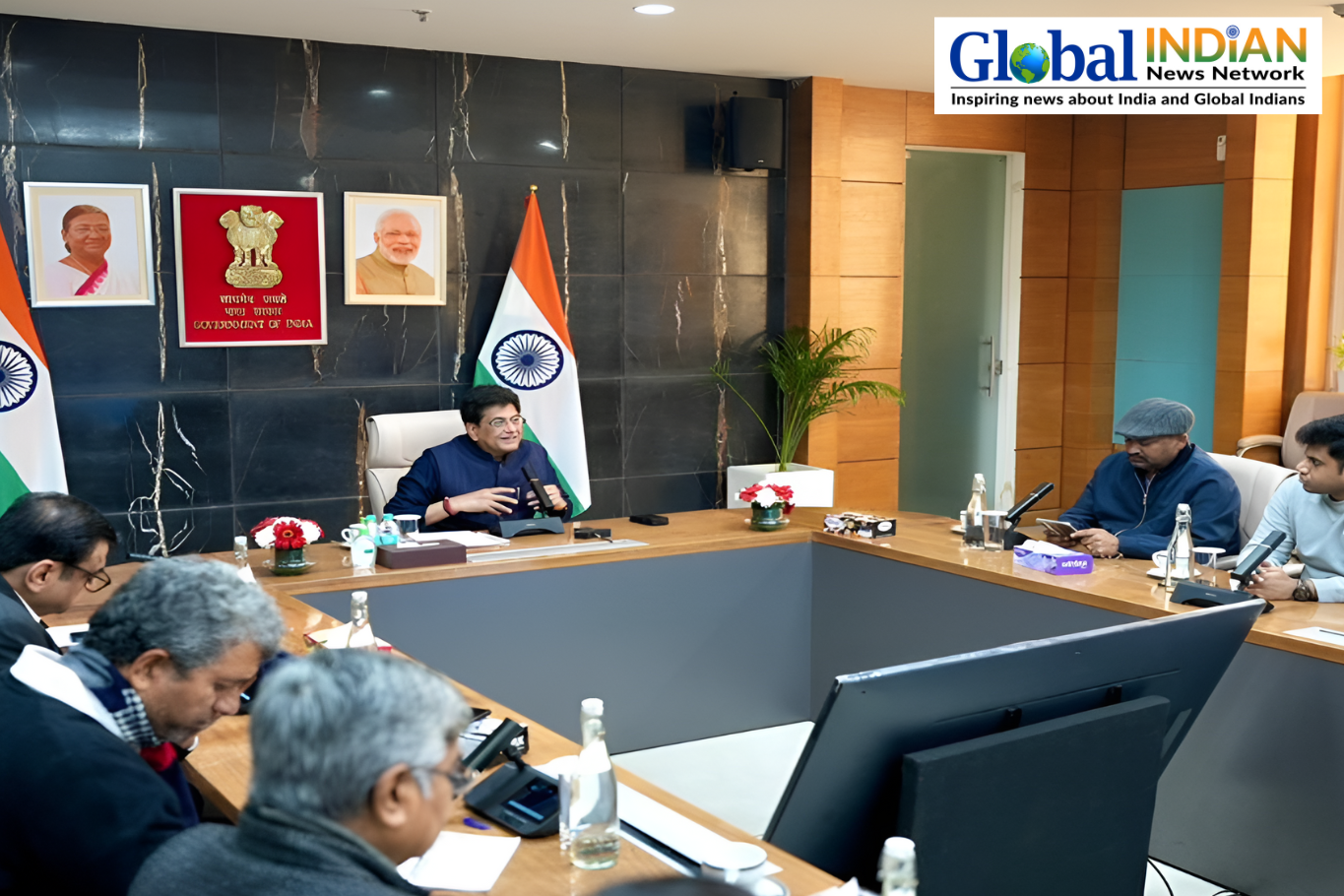
Addressing a briefing, Goyal said the transformation of India’s energy landscape over the past 11 years reflects a clear vision backed by consistent execution. He noted that India has moved towards surplus power generation, strengthened grid integration and assumed leadership in renewable energy, setting a benchmark for large economies.
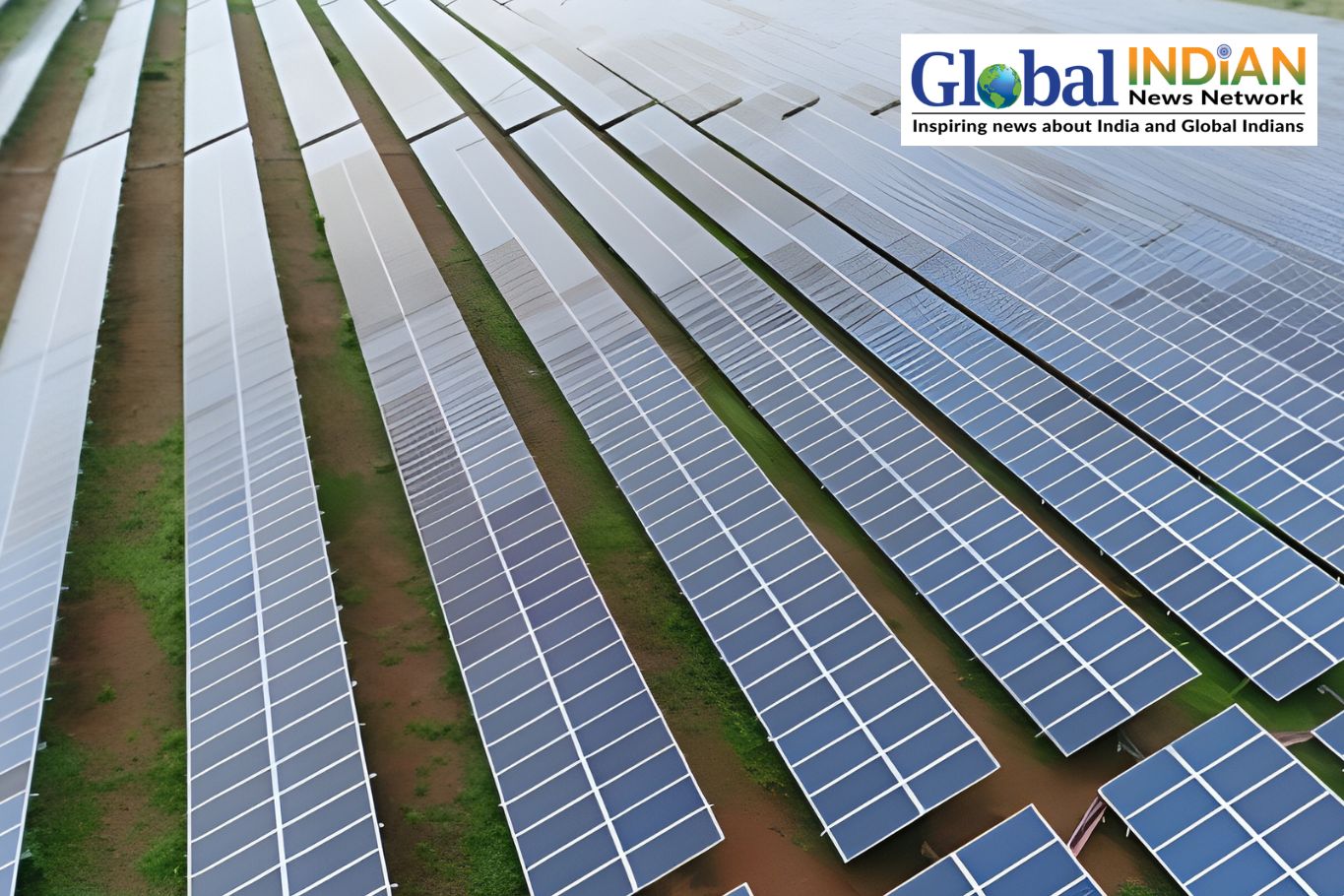
The minister said India recorded its highest-ever coal production of 1,048 million tonnes in FY 2024–25, while coal imports declined by nearly 8 per cent. At the same time, the country has significantly expanded its renewable footprint, with solar power capacity increasing 46-fold over the last decade, making India the world’s third-largest solar power producer. Wind power capacity has also grown sharply, rising from 21 GW in 2014 to 53 GW in 2025.
India has emerged as the fourth-largest refining hub globally and is working to expand refining capacity by 20 per cent. In the natural gas sector, 34,238 kilometres of pipeline have been authorised, of which nearly 26,000 kilometres are already operational, strengthening energy accessibility across regions.
Goyal said India’s energy transformation rests on five key pillars. Universal access has been achieved through initiatives such as the Saubhagya scheme, which ensured electricity for every household, and the UJALA programme, under which over 47 crore LED bulbs were distributed, reducing electricity bills and carbon emissions.
Affordability has been addressed through measures such as reducing GST on clean energy equipment and achieving the 20 per cent ethanol blending target ahead of schedule. Inter-state transmission charges for solar and wind power have also been waived to encourage renewable adoption.
On availability, power shortages have declined sharply from over 4 per cent in 2013 to nearly zero in 2025. A unified national grid enabled India to meet a record peak power demand of 250 GW, reflecting enhanced reliability and capacity.
Financial viability has improved through reforms in the power distribution sector, with DISCOM dues reduced significantly under the PM-UDAY scheme. Sustainability remains central to India’s energy vision, with the country becoming the first G20 nation to meet its Paris Agreement targets. Nearly half of India’s installed power capacity now comes from non-fossil fuel sources.
As India advances toward its Viksit Bharat 2047 goal, Goyal said the energy sector’s journey demonstrates how strategic planning and sustained reforms can transform a nation’s development trajectory while balancing growth and global responsibility.