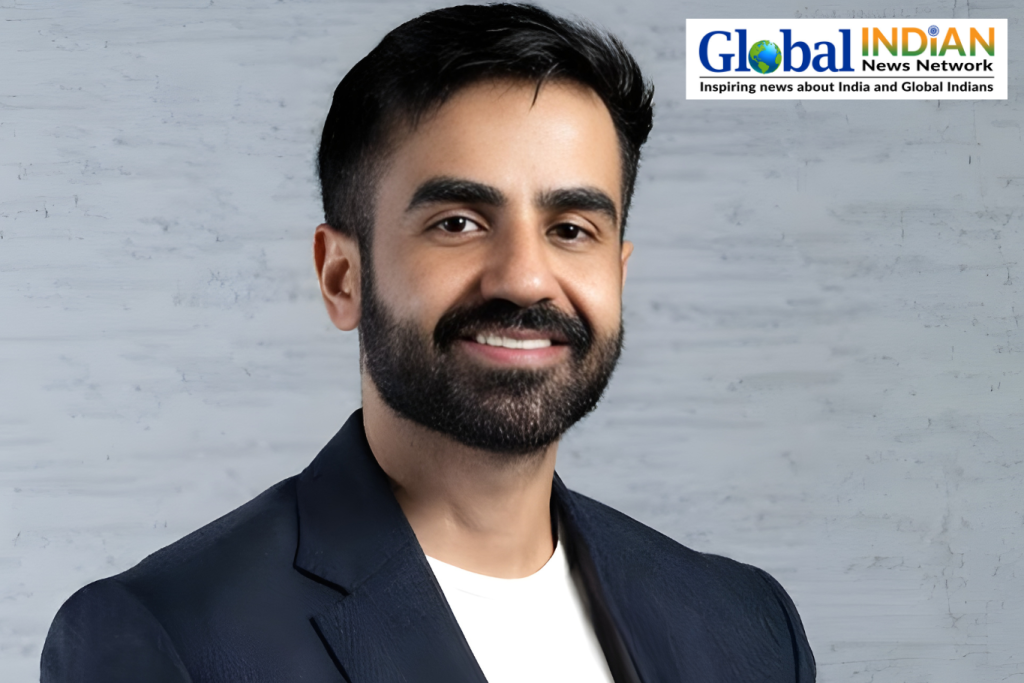
In a monumental stride toward discovering life beyond Earth, Indian-origin astrophysicist Dr. Nikku Madhusudhan and his research team have identified what may be signs of biological activity on K2-18b, an exoplanet orbiting a cool dwarf star about 120 light-years away. Their findings revolve around the detection of dimethyl sulfide (DMS), a molecule on Earth exclusively linked to living organisms like marine algae.
Dr. Madhusudhan, born in India in 1980, earned his undergraduate degree in technology from IIT (BHU), Varanasi. He later advanced his studies at MIT, where he completed his master’s and Ph.D. in planetary science under the mentorship of prominent exoplanet expert Dr. Sara Seager. Currently a professor at the University of Cambridge, he is known for pioneering the idea of Hycean planets—ocean-covered bodies enveloped in hydrogen-rich atmospheres that could support life.
Using data from the James Webb Space Telescope (JWST), his team discovered high levels of DMS in K2-18b’s atmosphere. On Earth, this molecule is solely the result of biological processes. Published in the Astrophysical Journal Letters, the discovery has sparked global excitement as it represents one of the clearest signs yet of possible extraterrestrial life.
K2-18b, which falls into the “sub-Neptune” category—larger than Earth but smaller than Neptune—was first identified in 2017. In 2021, Dr. Madhusudhan theorized that such planets could maintain habitable environments. Further JWST observations revealed the presence of methane, carbon dioxide, and the notable DMS, strengthening the hypothesis.
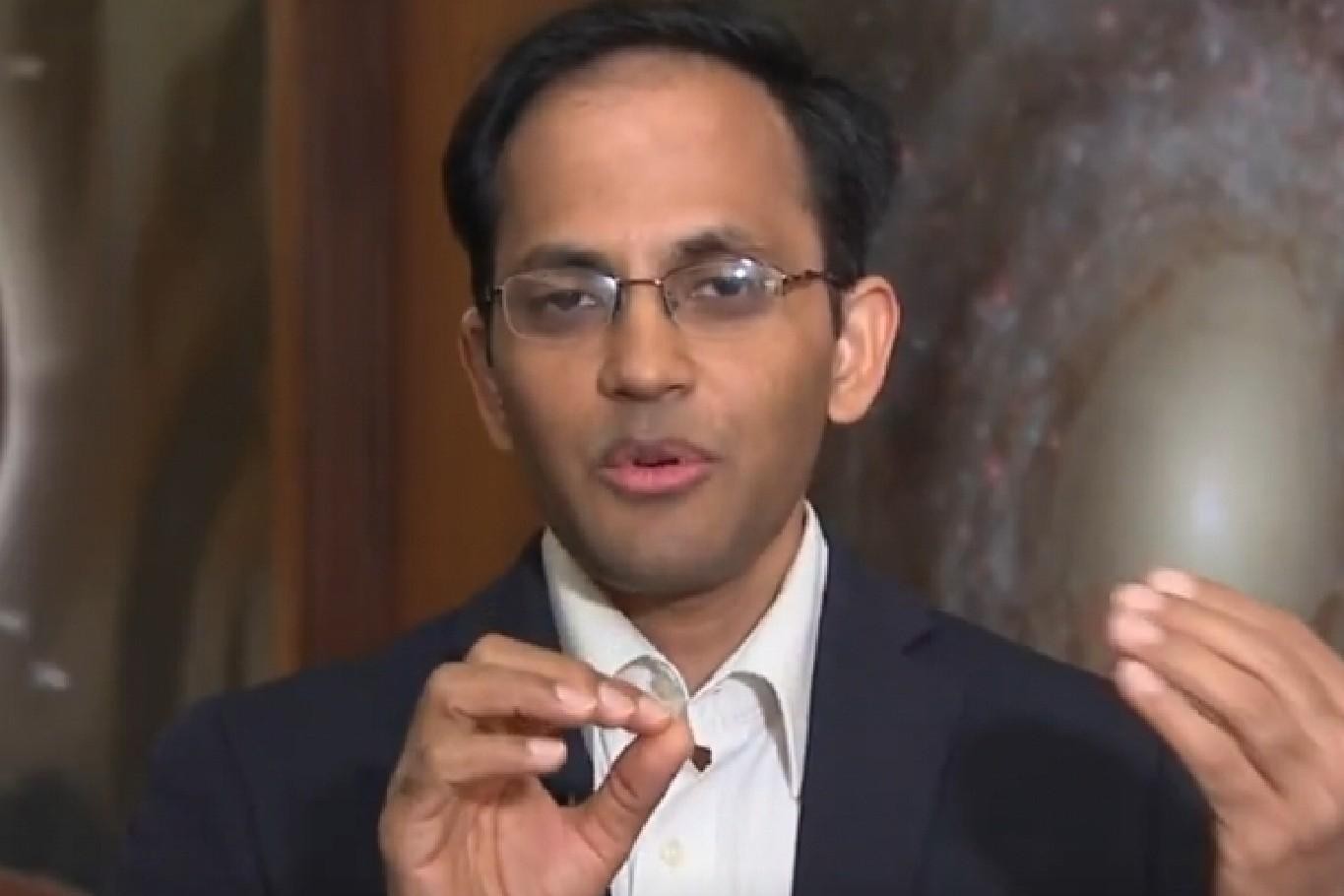
At a press event, Dr. Madhusudhan cautioned against jumping to conclusions but emphasized the extraordinary nature of the data, stating it may point to a warm, ocean-covered world teeming with life.
The research has reignited discussions around the Fermi Paradox—why we haven’t yet encountered intelligent alien life despite the universe’s vastness. While this doesn’t resolve that puzzle, it may mark a crucial turning point in humanity’s understanding of its place in the cosmos.
Further studies of K2-18b are planned, alongside the development of more advanced telescopes. Dr. Madhusudhan’s work has brought science one step closer to answering the ultimate question: Are we alone in the universe?