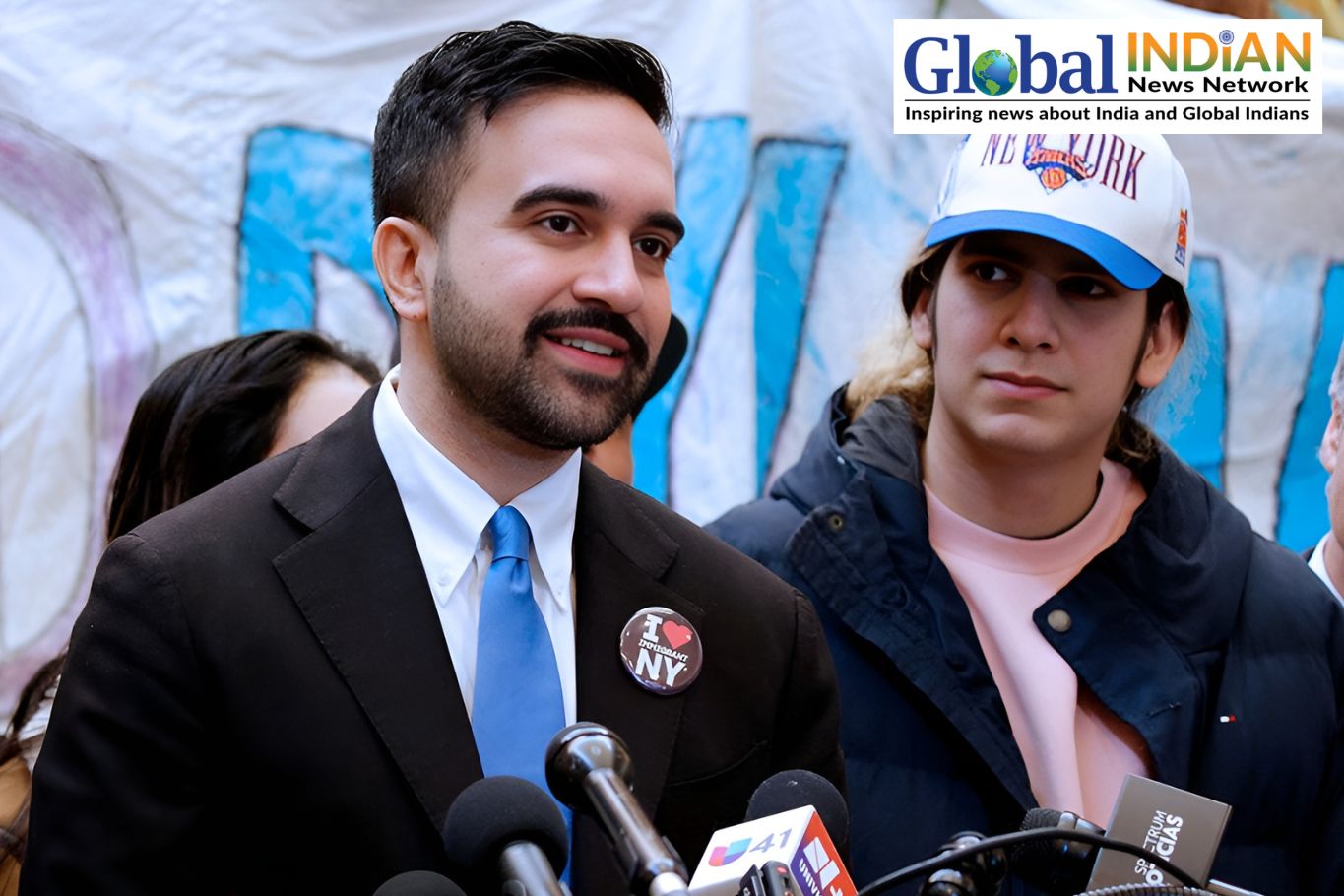
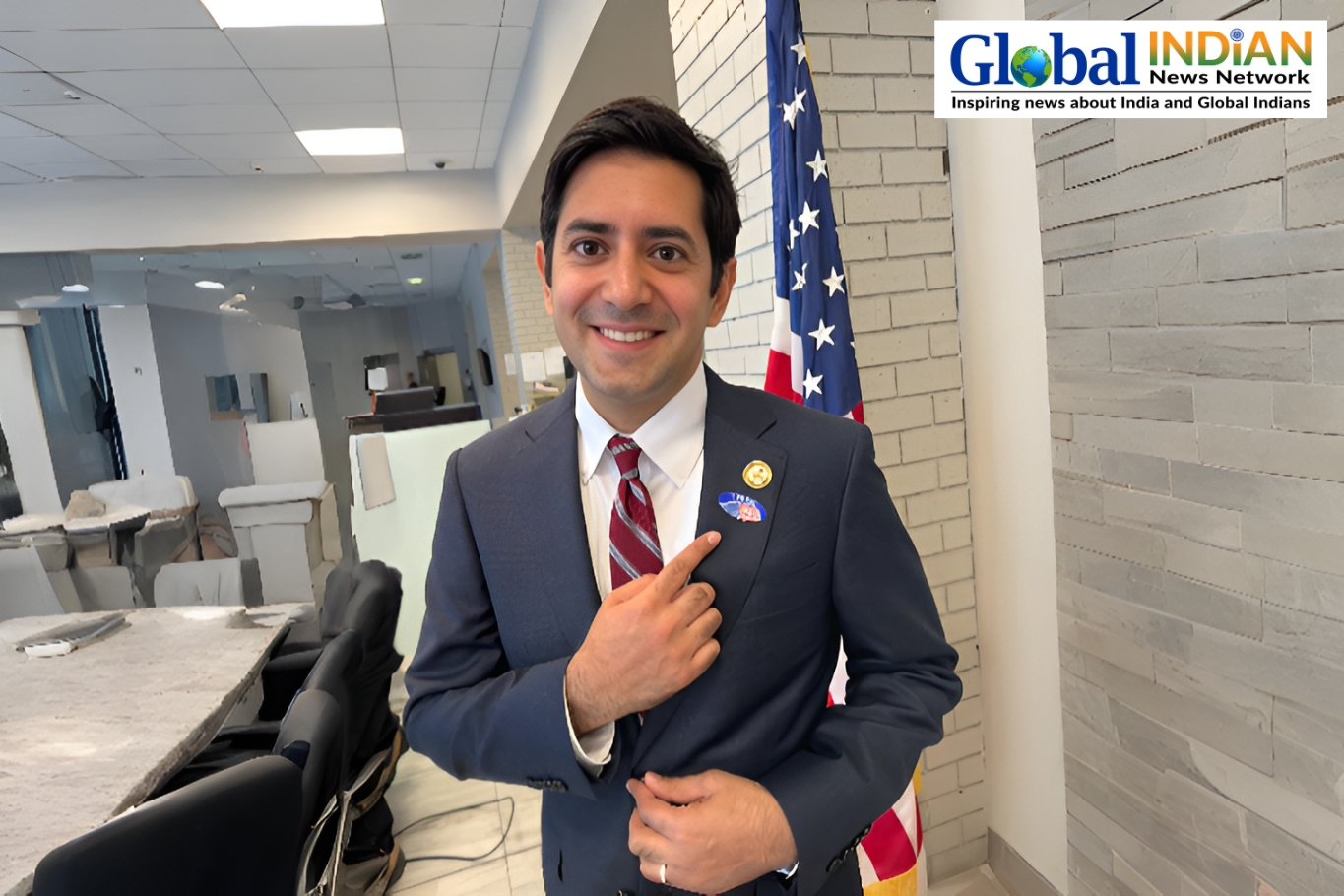
 Montgomery County, Pennsylvania, led by Indian-American County Commissioner Neil Makhija, has unanimously approved its 2026 budget, marking the first bipartisan agreement in nearly a decade. The $1.2 billion spending plan targets key local priorities, including housing, public health, infrastructure, and workforce development, at a time when federal and state politics remain highly polarized.
As Pennsylvania’s third-largest county, Montgomery is home to roughly 865,000 residents and plays a pivotal role in national elections as a swing region. The unanimous approval of the budget reflects rare cross-party collaboration and emphasizes data-driven planning tailored to the community’s pressing needs.
Housing and homelessness initiatives have been allocated $5.3 million, focusing on transitional housing projects to address rising affordability challenges in suburban areas near Philadelphia. Public health and safety programs will receive $7.2 million, with funding directed toward enhancing emergency communication systems and improving crisis response capabilities.
Infrastructure accounts for one of the largest portions of the budget, with $35 million dedicated to maintaining and upgrading 131 bridges and 75 miles of roads that serve millions of residents and commuters annually. Additionally, $16.6 million will be invested in maintaining nearly 6,000 acres of parks, trails, and historic sites, which collectively attract over three million visitors each year.
Workforce development and operational efficiency initiatives have been allocated more than $1.5 million, emphasizing better employee support and more streamlined county operations. The budget remains balanced, with cost savings achieved through state and federal grants, competitive vendor processes, reduction of redundancies, and philanthropic contributions, which were redirected to priority community programs.
Commissioner Neil Makhija, who chairs the Board of Commissioners and oversees roughly 3,000 county employees, has a background in election law and civic advocacy. He previously taught at the University of Pennsylvania Law School and led Indian American Impact, a civic organization promoting South Asian engagement.
County officials note that the bipartisan budget demonstrates how local governments can achieve tangible results despite broader political gridlock, positioning Montgomery County to effectively address economic uncertainties and rising public service demands in 2026.