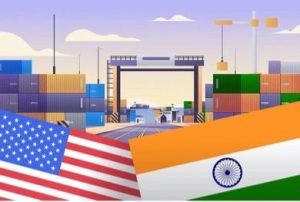
India has formally notified the World Trade Organisation (WTO) of its intention to reserve the right to impose retaliatory tariffs on certain US products. This move comes in response to the United States’ decision to impose additional duties on Indian steel and aluminium exports.
According to officials from the Ministry of Commerce, India’s latest submission to the WTO’s Council for Trade in Goods invokes provisions under the Agreement on Safeguards. These provisions permit retaliatory action when one member imposes safeguard measures without proper consultation.
The notification, issued on May 12, does not immediately trigger countermeasures. Instead, it keeps the option open for India to impose such tariffs after a 30-day period or later, depending on the outcomes of ongoing bilateral trade agreement (BTA) talks with the US.
Commerce Ministry officials cited precedent, noting that India had issued similar notifications regarding the European Union’s steel safeguard measures in 2019 and 2021.
Meanwhile, India has firmly refuted US President Donald Trump’s assertion that he brokered the recent ceasefire with Pakistan in return for trade concessions. The Ministry of External Affairs clarified that no trade discussions were part of the de-escalation talks, which were achieved bilaterally between the two nations.
Commerce Minister Piyush Goyal is scheduled to travel to Washington later this week for BTA discussions with his American counterparts. Chief negotiators from both countries are set to meet between May 19 and 22, with the goal of expanding bilateral trade to $500 billion by 2030—up from the current $191 billion.
The dispute originated when President Trump imposed a 25% tariff on all steel and aluminium imports, citing national security concerns. India had previously attempted to resolve the issue through dialogue in April, but the US insisted that its actions did not fall under WTO safeguard measures.
With those talks yielding no resolution, India’s WTO notification signals a formal step towards possibly recovering trade losses through retaliatory duties on select American goods. However, it remains open to resolving the matter through the BTA framework currently under negotiation.