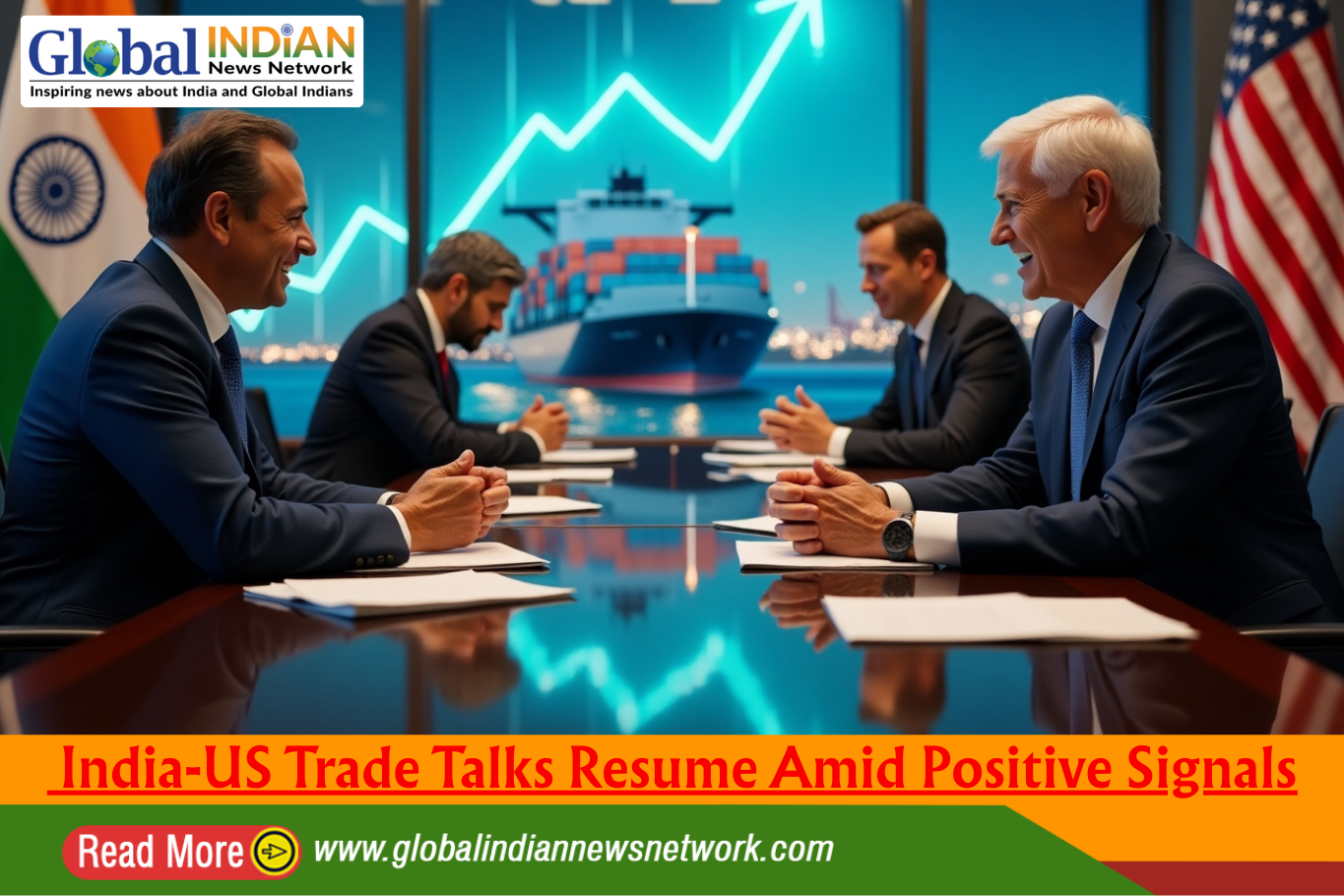
 India and the United States appear to be moving closer to resolving their trade disagreements, with both governments signaling a softer approach after months of friction. A delegation led by India’s Chief Trade Negotiator Rajesh Agarwal, along with senior officials from the Commerce Ministry, is set to travel to Washington, D.C., next week to resume in-person discussions, according to people familiar with the matter.
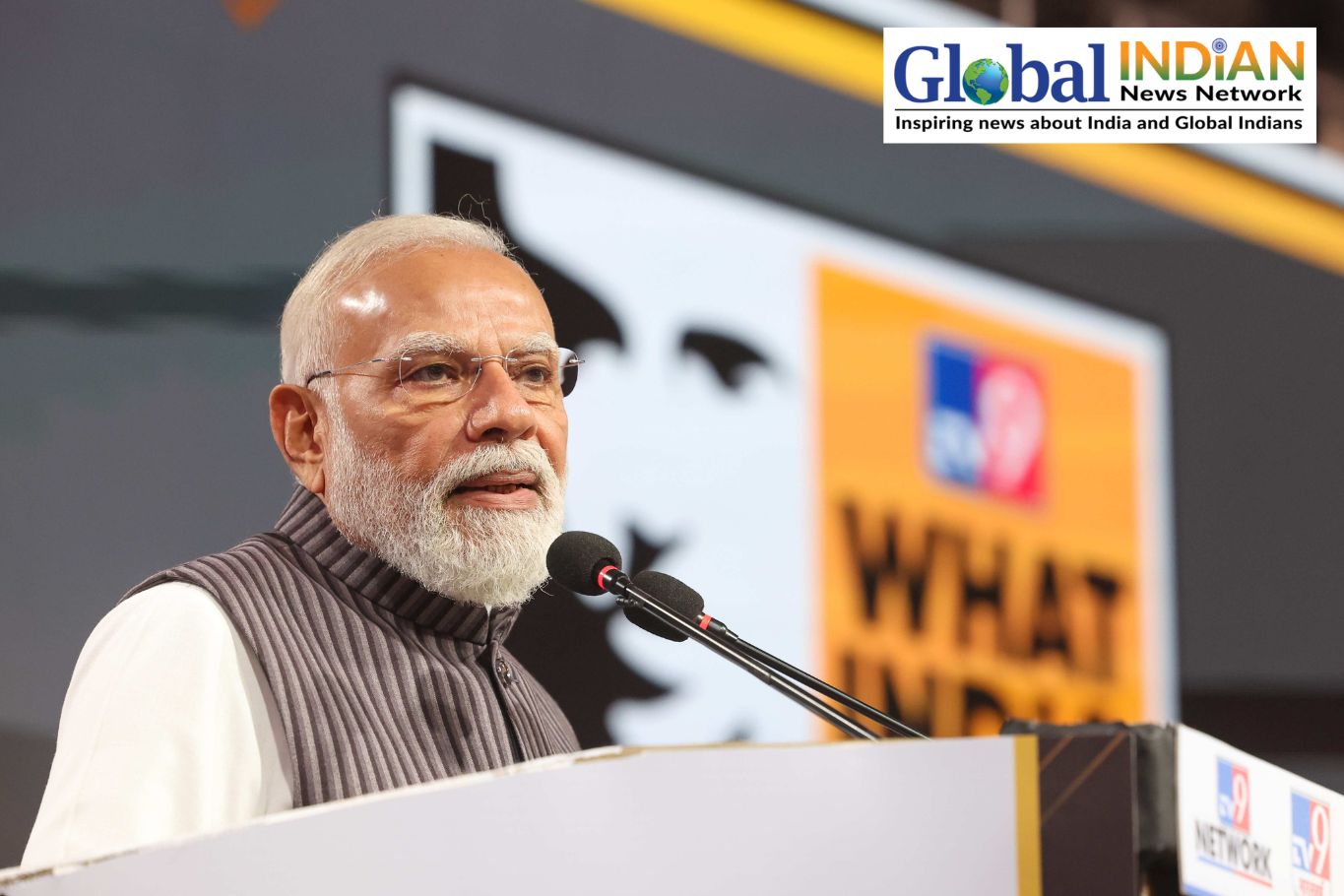
This renewed momentum follows a series of cordial statements exchanged between Prime Minister Narendra Modi and US President Donald Trump on social media. Modi described India and the United States as “close friends and natural partners,” emphasizing that swift talks could unlock the “limitless potential” of their partnership. Trump reposted Modi’s message and said he was confident of achieving “a successful conclusion for both of our great countries.”
The US leader’s remarks mark a shift from recent tensions. Just weeks earlier, Washington had doubled tariffs on Indian imports to 50%, stoking fears about the trajectory of relations. Trump had also criticized New Delhi’s oil purchases from Russia, alleging indirect support for the Ukraine war—an accusation India strongly rejected. Despite these disagreements, Trump continued to stress his personal rapport with Modi, calling him “a great Prime Minister” and insisting the relationship remained special.
Analysts view the leaders’ conciliatory tone as an encouraging sign, though many caution against assuming a swift breakthrough. Madhavi Arora, an economist at Emkay Global, noted that while the public statements suggest rapprochement, concrete evidence of a deal remains pending.
The stakes are high. In 2024, bilateral trade in goods reached $129 billion, with the United States recording a $45.8 billion deficit, according to official data. Trump recently asserted that India had offered to reduce tariffs on American products to zero but argued the concession came too late. Indian officials, meanwhile, dismissed concerns that European Union policies could derail the negotiations.
Both sides are now working to finalize meeting schedules in September, after a planned US delegation visit to New Delhi in August was cancelled. The thaw in ties has already lifted investor sentiment, with Indian stock markets climbing more than 0.5% on Wednesday. Analysts believe progress in trade discussions could particularly benefit India’s IT and pharmaceutical industries, which rely heavily on access to the US market.