 India and the United States are set to formalize a comprehensive trade agreement in March, marking a significant step in strengthening bilateral economic ties, Trade Minister Piyush Goyal confirmed on Thursday. Following the signing, New Delhi will reduce tariffs on U.S. imports, while Washington will lower duties on Indian goods from 50% to 18%.
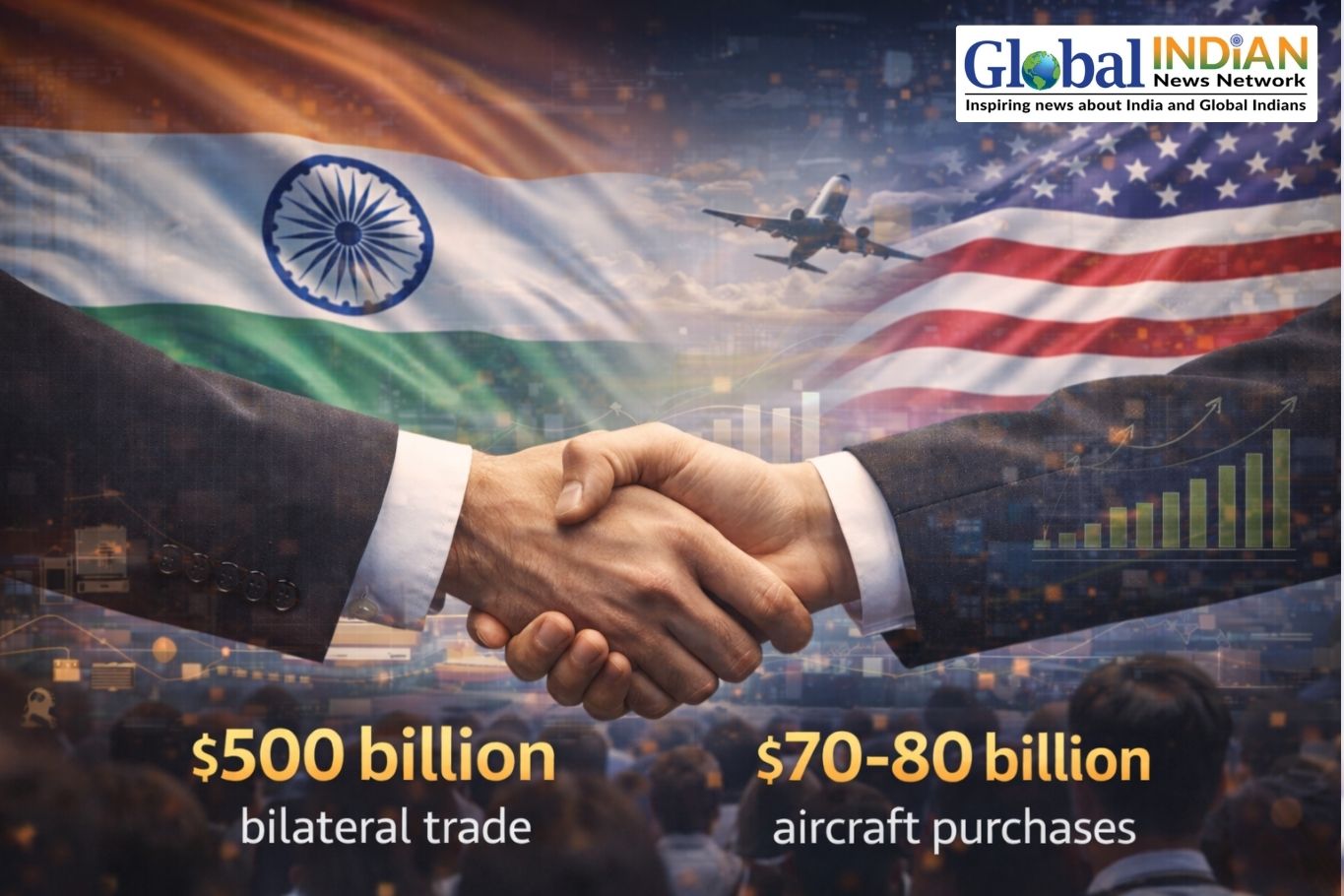
According to Goyal, the two governments plan to issue a joint statement within four to five days, signaling the official adoption of the deal. Under the agreement, India will commit to purchasing approximately $500 billion worth of U.S. products over the next five years. This includes $70–80 billion in aircraft from Boeing, along with engines and related parts, totaling about $100 billion in aviation purchases alone.
The trade pact also allows India to boost imports of energy, semiconductors, and other strategic items from the U.S., reflecting a broad-based approach to economic collaboration. Notably, Air India has nearly 200 Boeing aircraft on order, while Akasa Air has placed orders for 226 Boeing 737 MAX jets, highlighting the scale of planned aviation imports.
Market reactions to the announcement were positive, with Indian stock markets rallying as uncertainty over the future of bilateral relations eased. The agreement is expected to enhance investor confidence and facilitate smoother trade flows between the two nations.
While the deal opens Indian markets to U.S. agricultural products, officials emphasized that India will maintain protections for key sectors. This ensures limited access for U.S. farmers without compromising domestic agricultural priorities. The move comes amid pressure from opposition parties to disclose detailed terms, particularly concerning market access and potential impacts on Indian farmers.
The formal trade pact is anticipated to be signed within 30–45 days, signaling a new era of economic partnership. By combining tariff reductions with significant purchases of U.S. goods, the agreement aims to deepen trade relations, diversify supply chains, and support mutual growth in strategic sectors including aviation, technology, and energy.