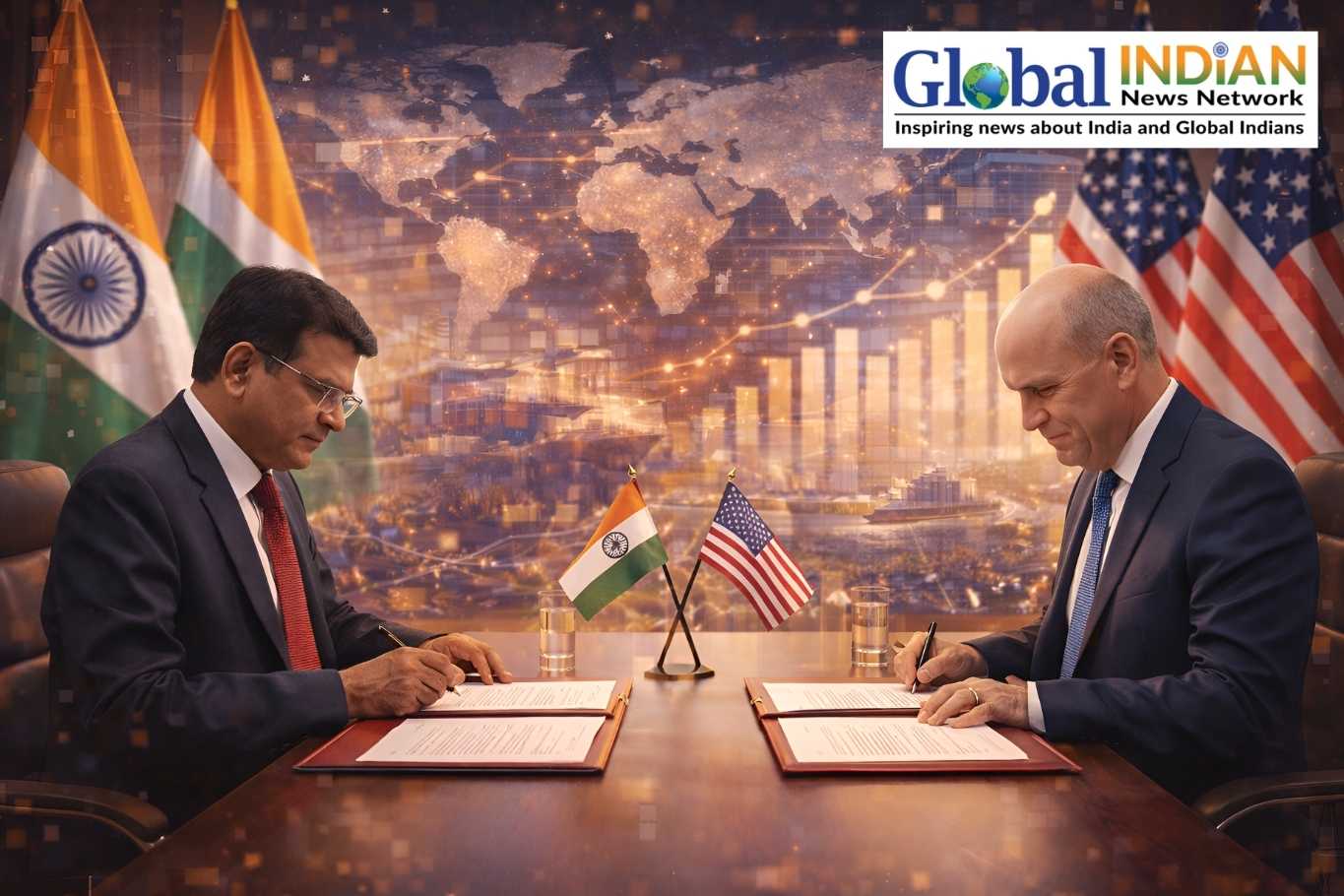
 India and the United States will convene a three-day meeting in the US starting February 23 to finalise the legal text for an interim trade agreement, PTI reported, citing an official.
Earlier this month, both countries released a joint statement outlining the framework for the interim trade deal. The framework focuses on lowering tariffs, strengthening energy ties, and boosting economic cooperation. While the framework sets the roadmap, additional negotiations are required to translate it into a legally binding agreement, expected to be signed in March.
The Indian delegation will be led by chief negotiator Darpan Jain, a joint secretary in the Commerce Ministry. Discussions will cover duty concessions on a wide range of goods, with the US reducing tariffs on Indian products from 25% to 18% and having already lifted punitive tariffs on Indian crude oil imports from Russia.
Under the framework, India has committed to purchasing $500 billion in US goods over five years, including oil, gas, coking coal, aircraft and parts, precious metals, and technology products such as AI-related graphics processing units. India will also reduce tariffs on numerous US industrial and agricultural goods, including dried distillers’ grains, red sorghum, tree nuts, fresh and processed fruits, soybean oil, wine, and spirits.
The US will retain an 18% tariff on most Indian exports, including textiles, apparel, leather, footwear, plastics, organic chemicals, home décor, artisanal items, and certain machinery. India will gain tariff relief on some aircraft and parts, as well as lower-tariff quotas for auto components. Negotiations on generic pharmaceuticals will continue, taking into account ongoing US tariff investigations.
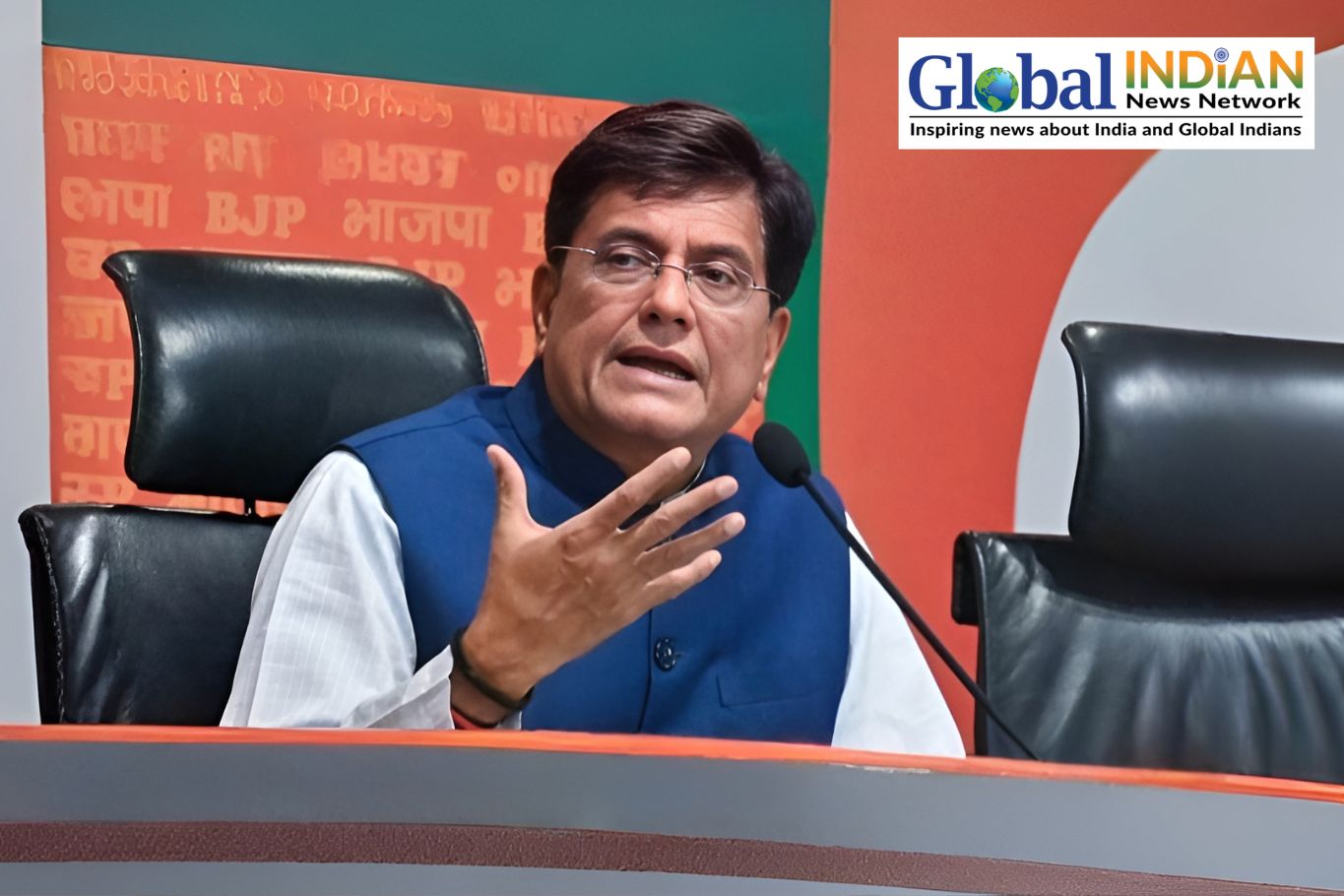
Trade Minister Piyush Goyal welcomed the framework, noting that it opens opportunities for farmers, fishermen, and micro, small, and medium enterprises to access the $30 trillion US market. Both nations also agreed to address long-standing non-tariff barriers in agriculture, medical devices, and communication equipment. A six-month timeline has been set to finalise an agreement recognising US or international safety and licensing standards.
An updated US fact sheet on the trade deal removed certain pulses from the list of US products on which India would reduce tariffs. The revised document emphasises a broad range of industrial and agricultural goods while retaining India’s commitment to negotiate robust bilateral digital trade rules. Sensitive sectors, like pulses, remain fully protected under an exemption category, reflecting India’s focus on balancing trade commitments with domestic priorities.