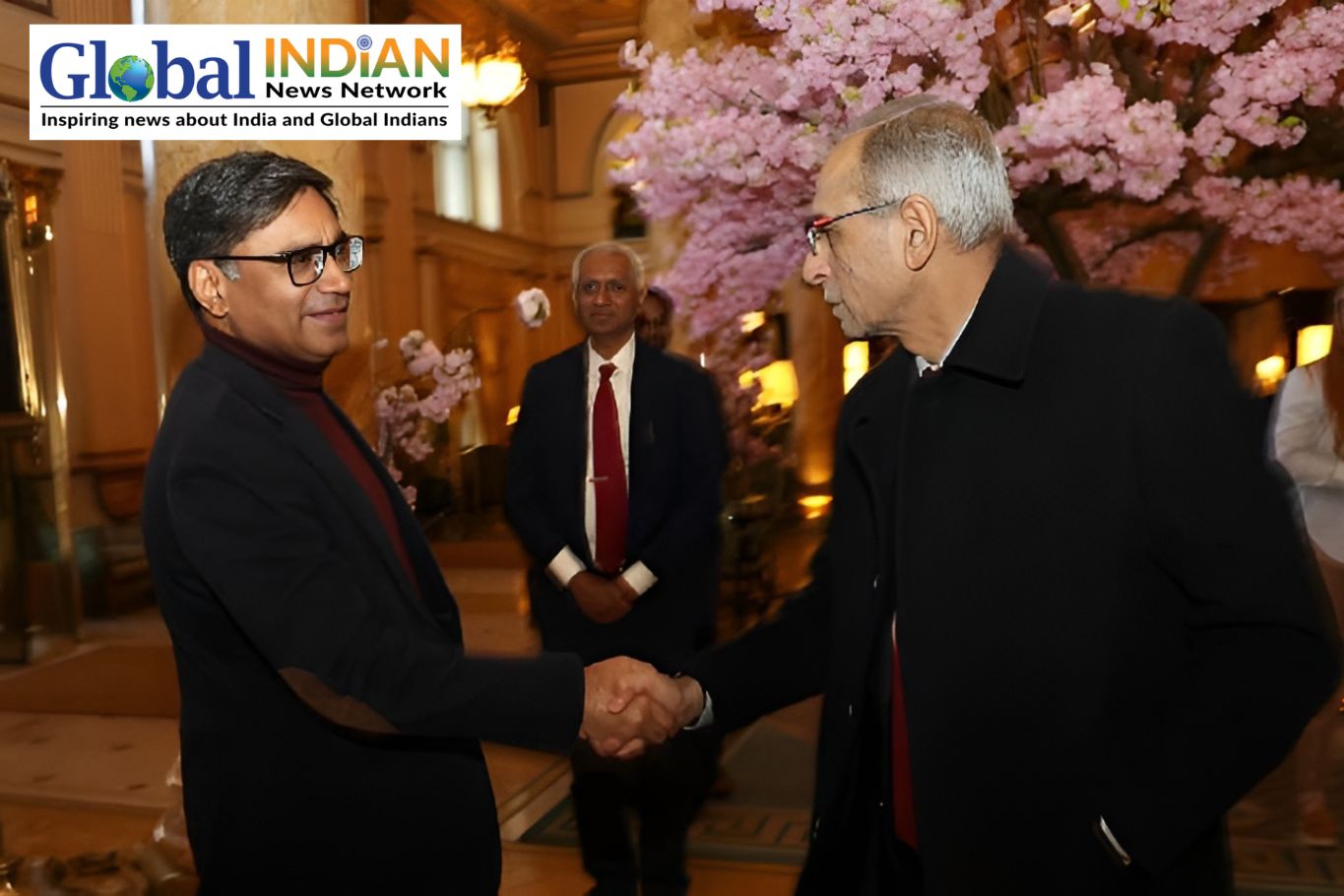
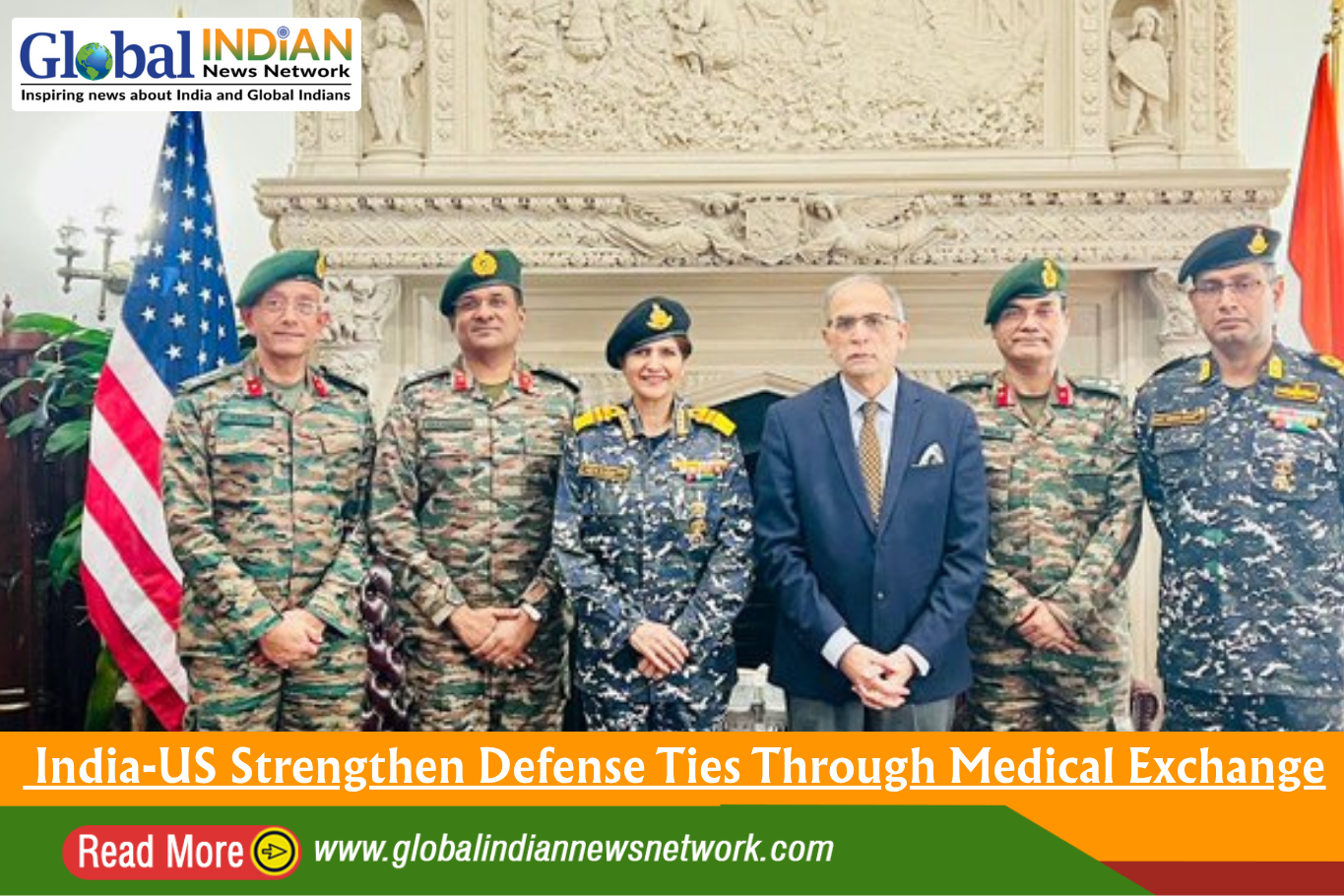
 Indian Ambassador to the United States, Vinay Kwatra, hosted officers from India’s Armed Forces Medical Services during their visit to the United States, aimed at bolstering collaboration in military medicine. Sharing his experience on X, Kwatra noted his interaction with Surgeon Vice Admiral Arti Sarin and other officers, highlighting the importance of such exchanges in strengthening India-US defense ties. The visit facilitated discussions with counterparts from US INDOPACOM, the Defense Health Agency (DHA), and the Army, Navy, and Air Force departments, reinforcing military medical cooperation as a key pillar of bilateral security relations.
Despite ongoing trade-related tensions, India and the US have maintained robust defense engagement. Earlier in September, Ambassador Kwatra met with Elbridge Colby, US Undersecretary of War for Policy, at the Pentagon. Kwatra described the conversation as productive, reviewing current initiatives and planning actionable steps to advance India-US defense cooperation. Colby also acknowledged the discussions as valuable, expressing his commitment to further elevating the strategic partnership between the two nations.
These interactions followed the conclusion of the 21st edition of Exercise Yudh Abhyas 2025, the annual bilateral Army-to-Army exercise held in Alaska from September 1 to 14. The two-week training exercise involved intensive drills and marked a significant milestone in military-to-military cooperation. The Indian Embassy in Washington described the exercises as a “hallmark of the growing military-to-military interaction between India and the US, aligned with the Comprehensive Global Strategic Partnership between both countries.”
The ongoing visits and engagements underline the deepening collaboration between India and the United States across multiple domains, including defense strategy, training, and military medicine. By fostering close professional ties and sharing expertise, both countries aim to reinforce regional security and enhance interoperability between their armed forces, reflecting the resilience and growth of their strategic partnership amid global challenges.