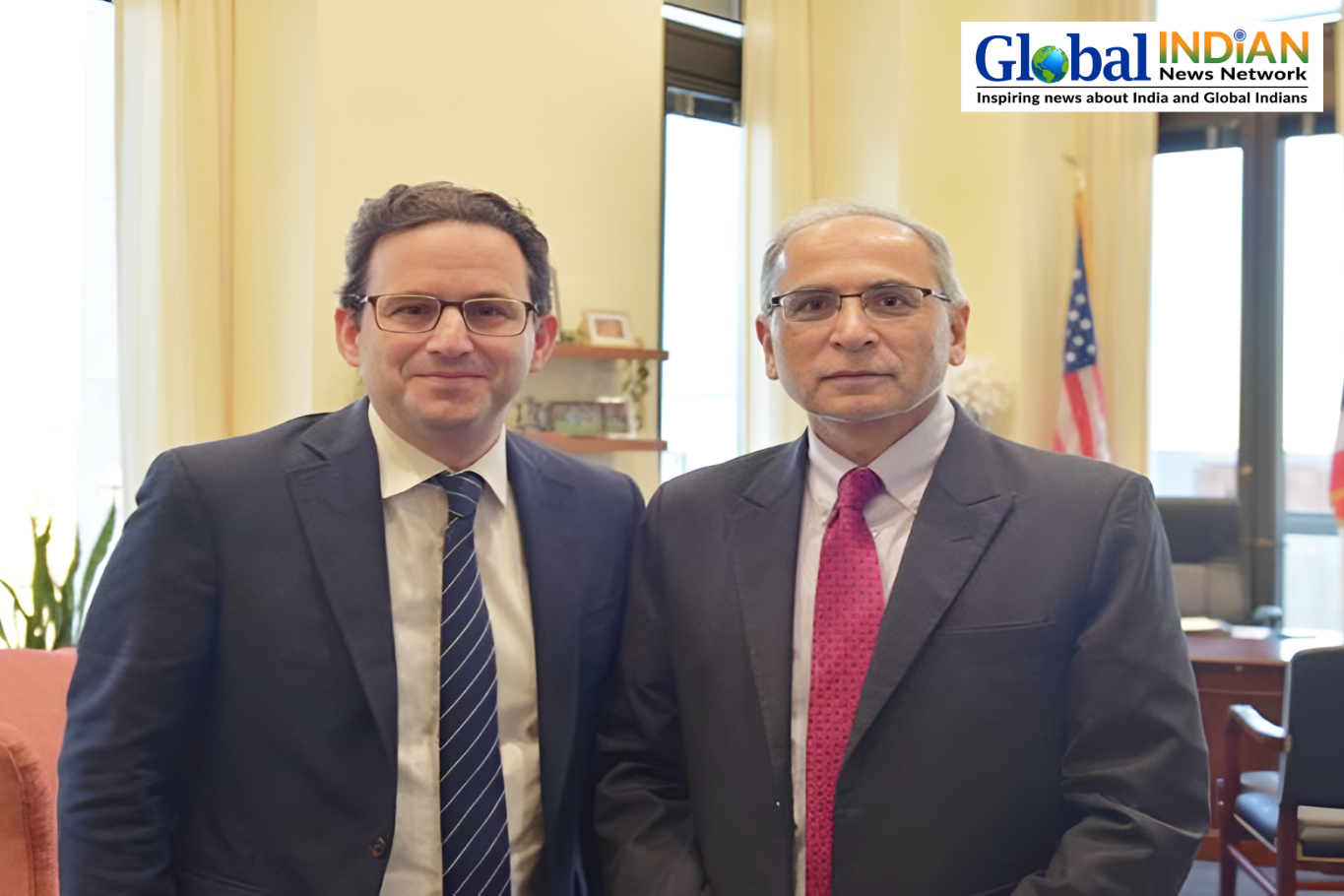
 India and the United States continued to advance their strategic partnership as India’s Ambassador to Washington, Vinay Mohan Kwatra, met Senator Brian Schatz, Deputy Secretary of the Senate Democratic Conference and a member of the Senate Foreign Relations Committee, to discuss deeper engagement in energy, technology and innovation.
Kwatra said the meeting included an exchange of perspectives on ongoing bilateral defence cooperation and a review of key regional developments that shape the India–US agenda.
The Indian envoy also met US Representative Dina Titus to explore avenues for expanding cooperation in technology, tourism and trade. He expressed appreciation for her consistent support toward strengthening ties between the two countries.
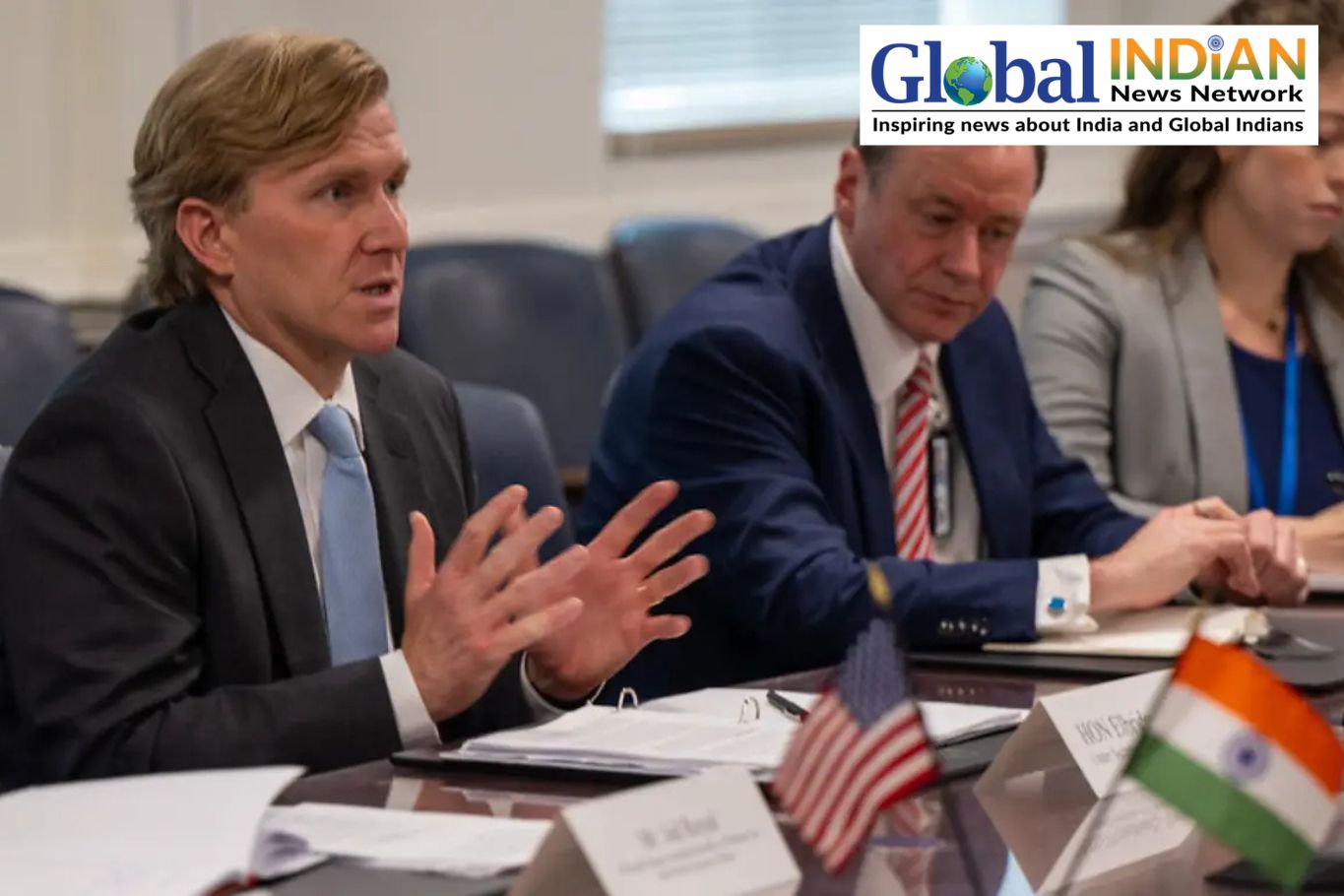
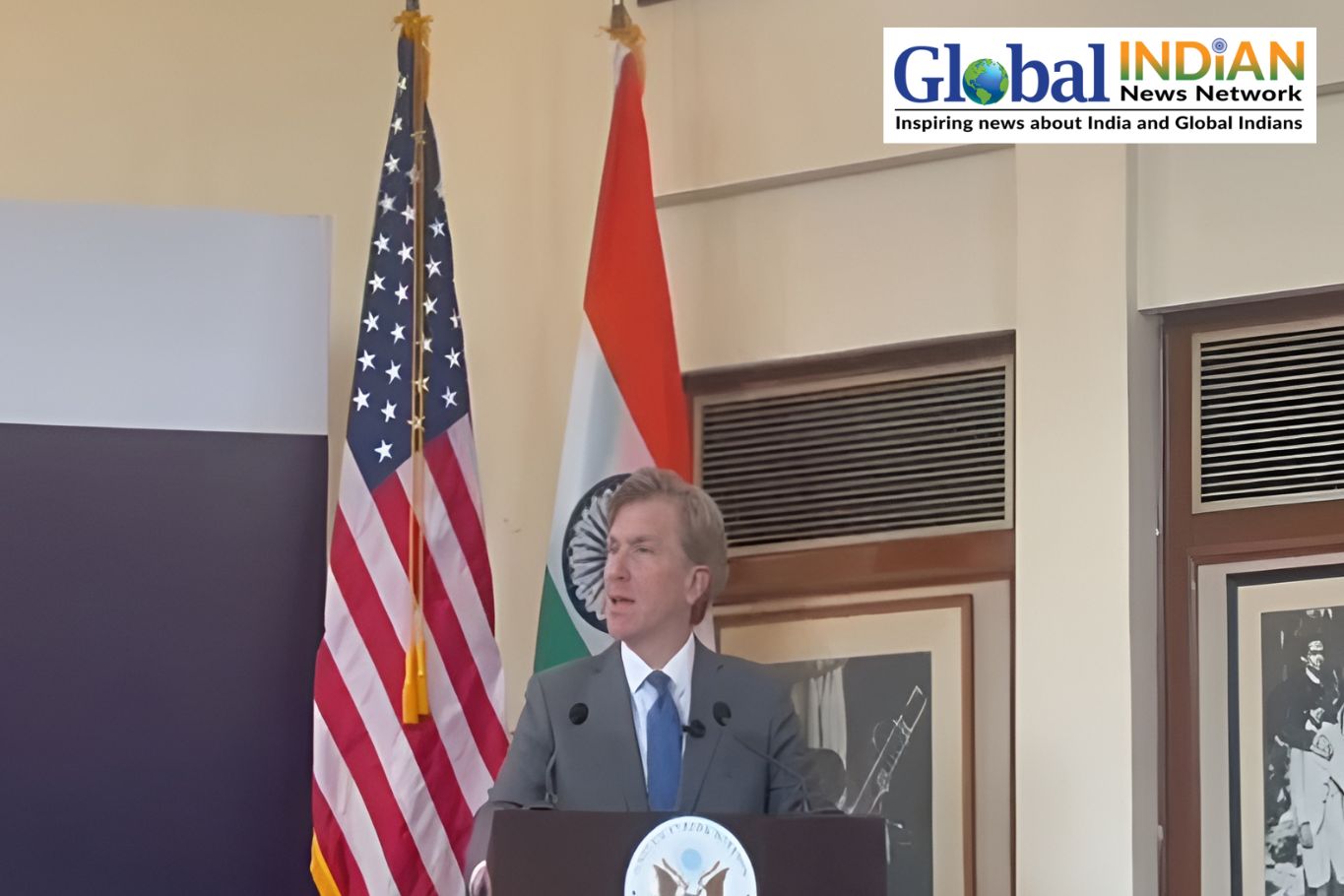
The diplomatic engagements come as a high-level US delegation, led by newly appointed US Deputy Trade Representative Rick Switzer, arrived in India for consultations aimed at advancing the long-pending India–US trade deal. Switzer held discussions with Foreign Secretary Vikram Misri on the broader economic and technology partnership, opportunities to grow two-way trade and ways to build resilient supply chains.
Earlier this week, India and the US held Foreign Office Consultations in New Delhi, reviewing progress across key pillars of the partnership, including trade and investment, defence cooperation, civil nuclear collaboration, critical minerals, the TRUST initiative and emerging technologies.
Both sides also discussed regional and global developments, reaffirming their shared commitment to a free, open and inclusive Indo-Pacific. The meeting welcomed the momentum across existing dialogue mechanisms and reiterated the goal of accelerating cooperation under the ‘Catalysing Opportunities for Military Partnership, Accelerated Commerce and Technology (COMPACT) for the 21st Century’ framework.
The continuing series of meetings underscores the growing convergence between India and the US in shaping a future-driven partnership rooted in technological leadership, secure supply chains and strategic stability.