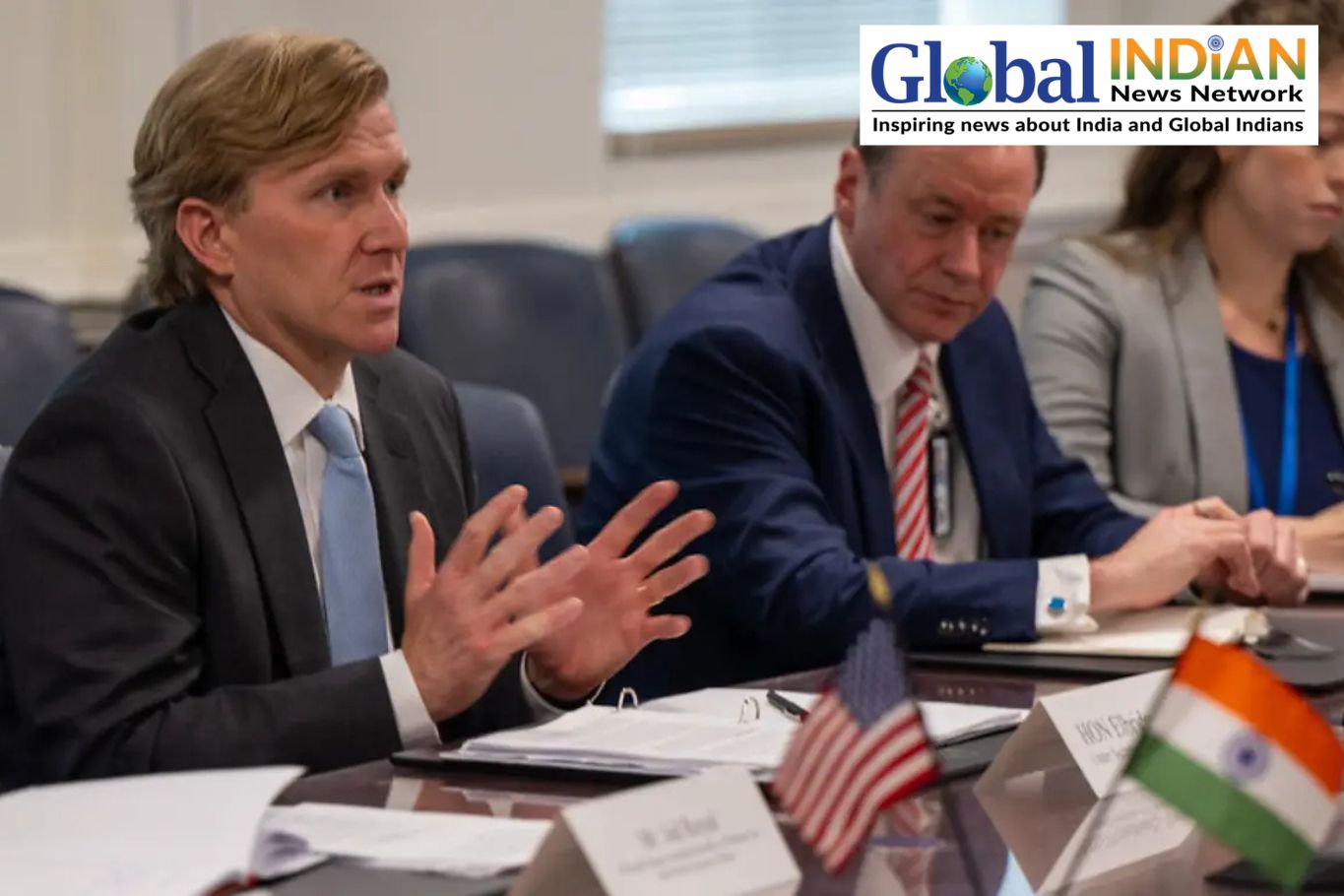
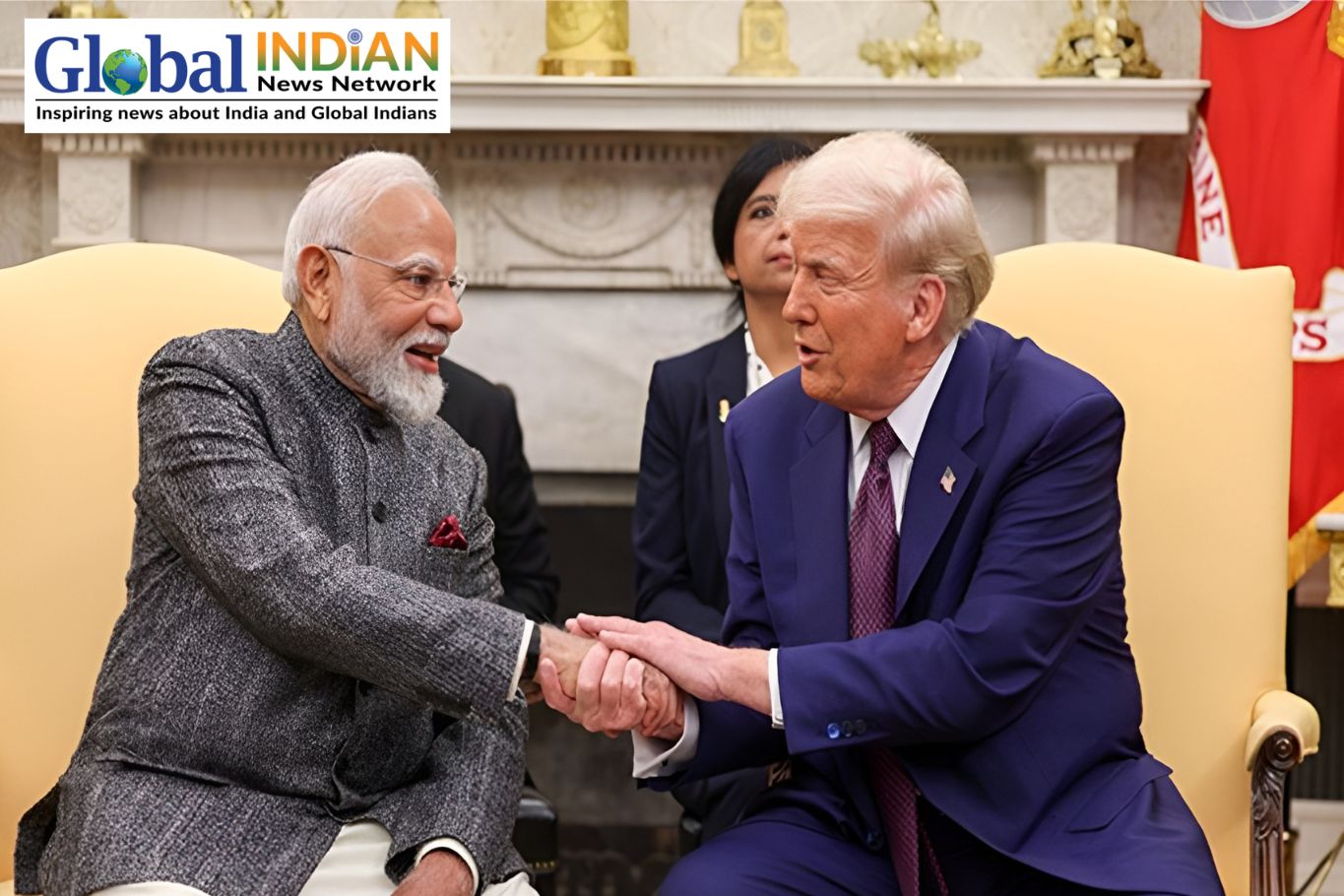
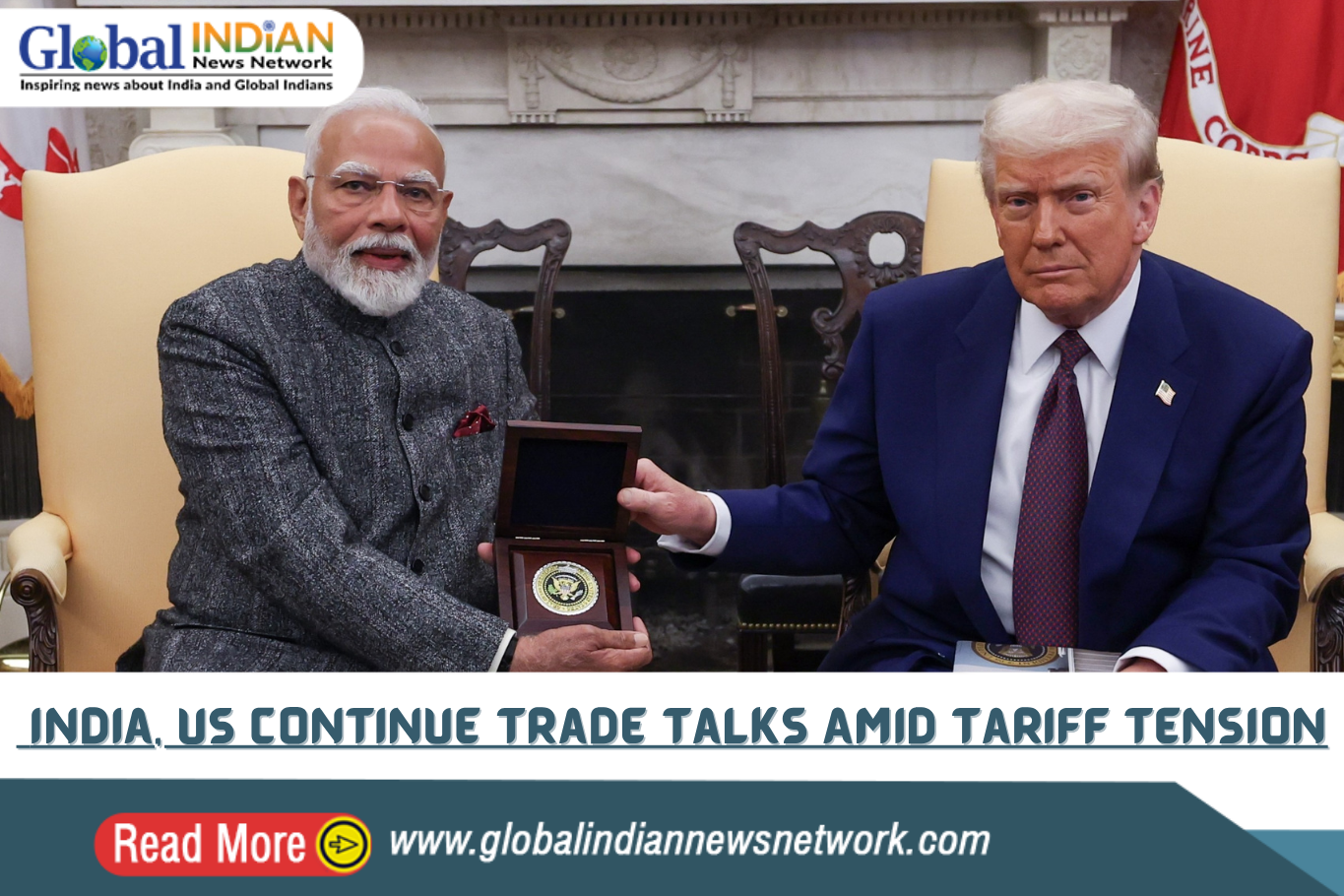
 Despite the imposition of a 25% tariff on Indian exports by US President Donald Trump, India has confirmed that trade negotiations between the two countries remain active. An Indian government official familiar with the matter stated on Friday that New Delhi is still in discussions with Washington, aiming to resolve key trade issues and maintain the momentum of bilateral ties.
The new import duties announced by Trump affect multiple nations, with tariffs including 35% on Canadian products, 50% on imports from Brazil, 20% on Taiwanese goods, and 39% on Swiss exports. These tariffs were enacted through a presidential executive order as part of a sweeping effort to reshape US trade balances globally.
Amid this escalating tariff climate, a US delegation is expected to travel to India later this month for further talks. While tensions have risen, India’s Ministry of External Affairs issued a statement reaffirming its commitment to strengthening trade ties with the United States.
“We remain focused on the substantive agenda that our two countries have committed to and are confident that the relationship will continue to move forward,” the ministry noted.
The negotiations, however, continue to face challenges. A primary sticking point remains the US push for greater access to India’s heavily shielded agriculture and dairy markets—sectors where domestic sensitivities and local livelihoods play a significant role in policy-making.
While Washington aims to expand its export reach into these protected sectors, India has been cautious in opening its markets, citing the need to safeguard the interests of its farmers and small-scale producers.
Despite these hurdles, both nations appear determined to avoid derailing the broader trade relationship. The expected visit by the US delegation signals a willingness from both sides to engage constructively and find common ground.
With high tariffs now officially in place, the path ahead will depend on how the two nations reconcile trade imbalances while respecting domestic priorities. The ongoing talks reflect a shared interest in achieving a mutually beneficial outcome, even in a time of economic strain.