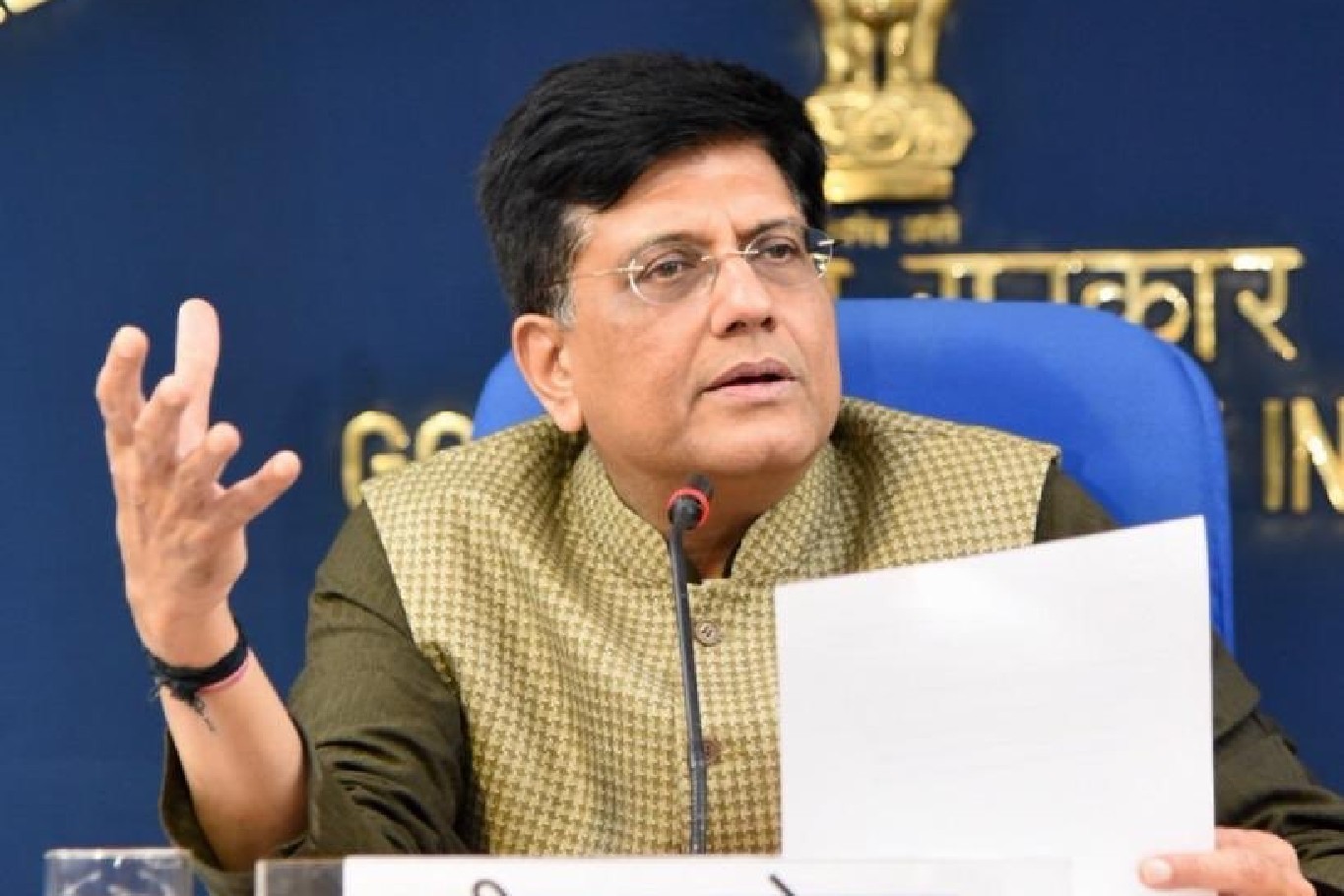
India’s Minister of Commerce and Industry, Piyush Goyal, will travel to Washington on May 16, 2025, leading a high-level delegation for four days of intensive trade negotiations with US officials. This meeting is a crucial step toward framing a Bilateral Trade Agreement (BTA) between the two nations. Goyal will meet with US Trade Representative Jamieson Greer and Commerce Secretary Howard Lutnick to explore opportunities for a phased trade arrangement, hoping to capitalize on the current 90-day suspension of additional tariffs.
Both sides are aiming to conclude the first phase of the BTA by September or October this year. India is looking to secure tariff reductions on key labor-driven exports, including garments, leather, textiles, plastics, jewelry, shrimp, chemicals, and produce such as bananas and grapes. In contrast, the US has proposed lowering import duties on industrial products like electric vehicles, wines, petrochemicals, dairy goods, apples, and various nuts.
Preliminary consultations have already taken place in Washington between India’s chief negotiator Rajesh Agrawal and US Assistant Trade Representative Brendan Lynch, following previous dialogues in March. These groundwork discussions paved the way for the current ministerial-level meetings.
The upcoming BTA is expected to address 19 major areas, ranging from tariff structures and non-tariff obstacles to origin rules, services, and customs procedures. While the US has temporarily lifted a 26% additional tariff on Indian goods through July 9, 2025, a 10% base tariff remains.
The stakes are high—India and the US recorded bilateral trade worth $131.84 billion in the 2024–25 period. The US continues to hold its position as India’s leading trade partner for the fourth consecutive year, accounting for 18% of Indian exports. However, India’s trade surplus with the US, standing at $41.18 billion, has sparked concern in Washington over the growing imbalance.
These strategic talks could shape the next chapter in India-US trade relations, with both nations seeking an equilibrium that benefits their economic goals and domestic industries.