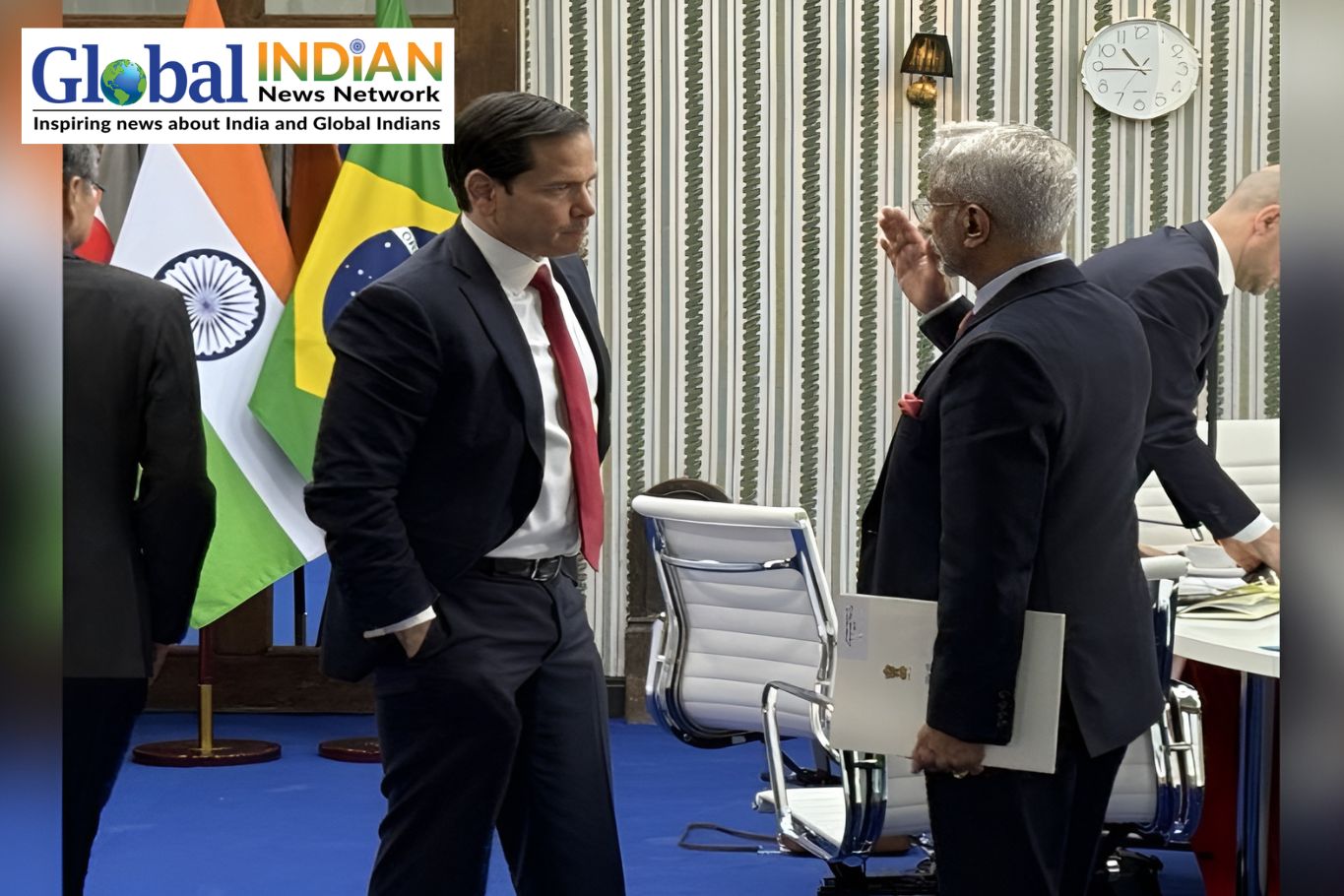
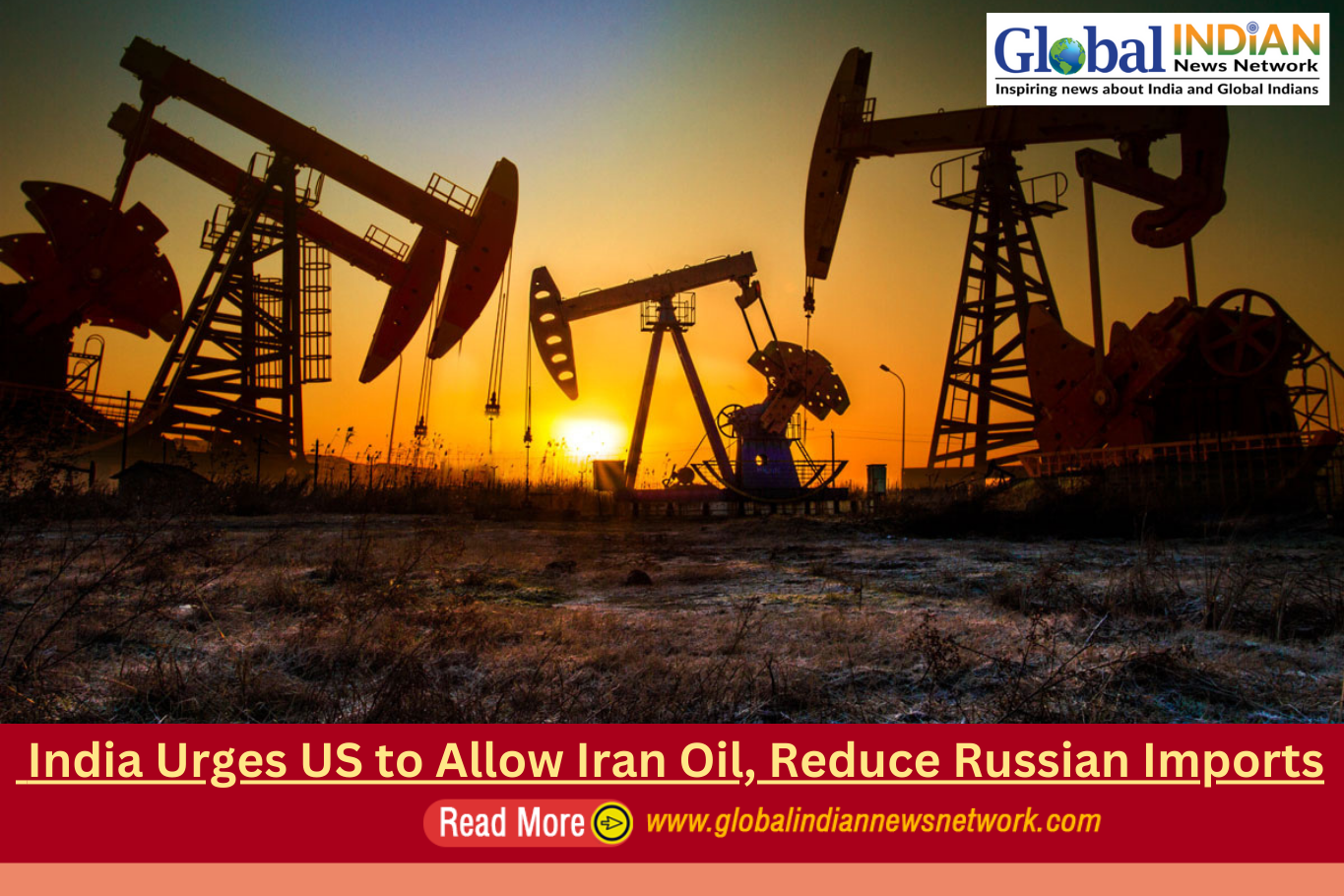
 Indian officials have reinforced their request for the United States to ease sanctions on Iranian and Venezuelan crude if it expects India to scale back its Russian oil imports. The appeal came during meetings in Washington this week with US counterparts, according to sources familiar with the discussions.
Officials warned that simultaneously restricting Indian refiners’ access to crude from Russia, Iran, and Venezuela could trigger a sharp increase in global oil prices. Sources cited by Bloomberg emphasised that cutting off all three sources at once would destabilize the international energy market, potentially causing widespread economic repercussions.
The delegation’s visit follows recent US-imposed tariffs on India, aimed at penalizing the country for continuing imports of Russian crude. Despite these levies, Indian refiners have maintained Russian oil flows, though at slightly reduced volumes, to ensure the country meets its energy requirements. Russian barrels, offered at steep discounts after Moscow faced international sanctions following the Ukraine conflict, have been critical in lowering India’s import expenditure.
Speaking in New York, Commerce Minister Piyush Goyal highlighted India’s commitment to deepening energy cooperation with the US. “Our energy security goals will have a very high element of US involvement,” he stated, indicating India’s willingness to increase purchases of American oil and gas while securing affordable alternatives. Iranian and Venezuelan crude, likely to be similarly discounted, could play a key role in balancing India’s import costs without destabilizing domestic fuel prices.
India relies on imports for nearly 90% of its crude needs, making access to discounted barrels essential for economic stability. Maintaining a diversified supply from Russia, Iran, and Venezuela allows India to manage costs effectively, safeguard energy security, and navigate ongoing trade tensions with the United States.
The discussions underline India’s strategic approach to securing reliable, cost-effective energy sources while engaging in broader US trade negotiations, reflecting the country’s focus on balancing diplomatic ties, economic priorities, and energy security.