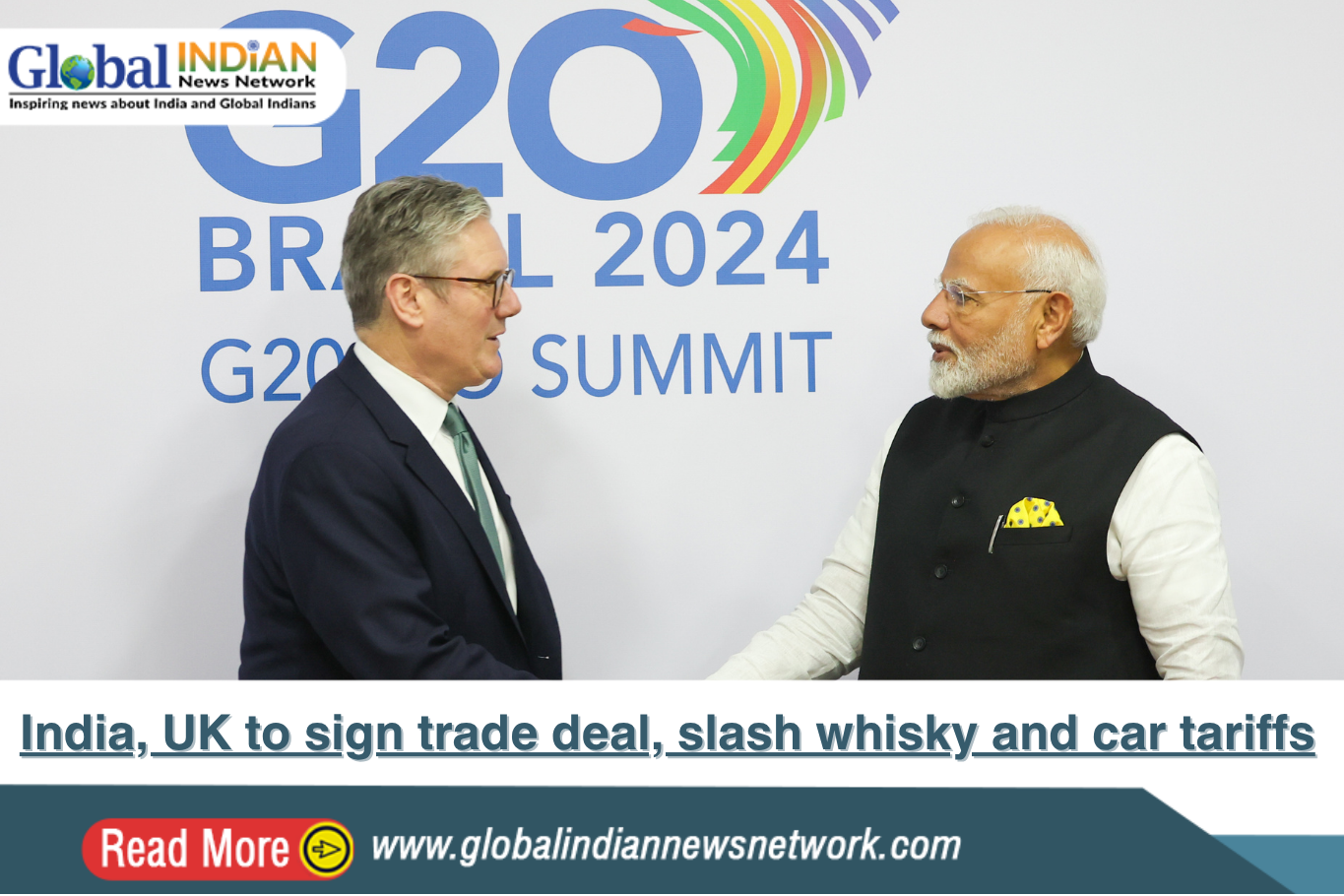
During Prime Minister Narendra Modi’s UK visit, India and Britain will formally sign a long-awaited free trade agreement (FTA) on Thursday, officials confirmed. The landmark deal, which was finalized in May after nearly three years of intermittent discussions, aims to boost economic exchange by easing tariff restrictions on key goods.
As per Indian officials, New Delhi will cut import duties on British Scotch whisky, automobiles, and selected food items. In return, the UK will provide duty-free access to Indian-made electric vehicles, textiles, and a broad range of other goods. The agreement is currently undergoing legal review and will become operational once ratified by the British Parliament and India’s federal cabinet, a process expected to be completed within a year.
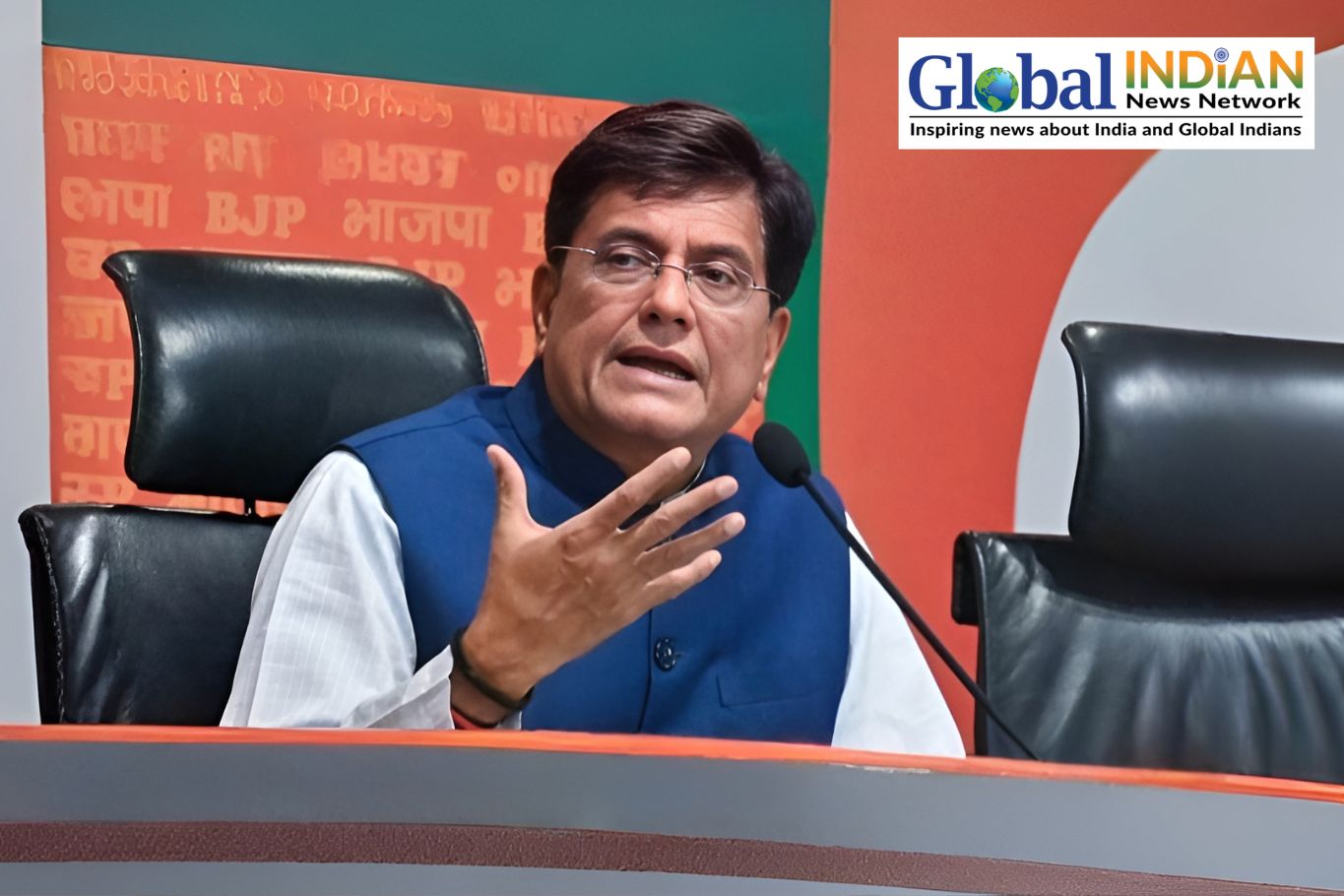
Vikram Misri, India’s Foreign Secretary, emphasized the deal’s importance in a press briefing on Tuesday, stating that the legal formalities were almost complete. Trade Minister Piyush Goyal will accompany Modi for the official signing ceremony during the Prime Minister’s four-day diplomatic visit to the UK and Maldives. This will be Modi’s fourth visit to the UK since assuming office in 2014.
India’s bilateral trade with the UK stood at approximately $55 billion in the 2023–24 fiscal year. Britain has emerged as India’s sixth-largest investor with cumulative investments reaching nearly $36 billion. Indian businesses have also established a strong footprint in the UK, with around 1,000 companies employing over 100,000 workers and investing about $20 billion.
According to the British government, tariffs on Scotch whisky will be immediately reduced to 75% from the current 150%, with a gradual decrease to 40% over the next ten years. For British automobiles, India will slash tariffs to 10% from 100%, under a controlled quota system that will be progressively relaxed.
Meanwhile, Indian producers, particularly in the electric and hybrid vehicle segments, are set to gain from increased access to the UK market, also regulated through a quota-based system. Commerce ministry officials said nearly 99% of Indian exports will face zero duties under this deal, with significant benefits for textiles, marine products, footwear, and engineering sectors.
Ajay Sahai, Director General of the Federation of Indian Export Organisations, hailed the FTA as a gateway for Indian exporters to strengthen their presence in one of the world’s top markets.