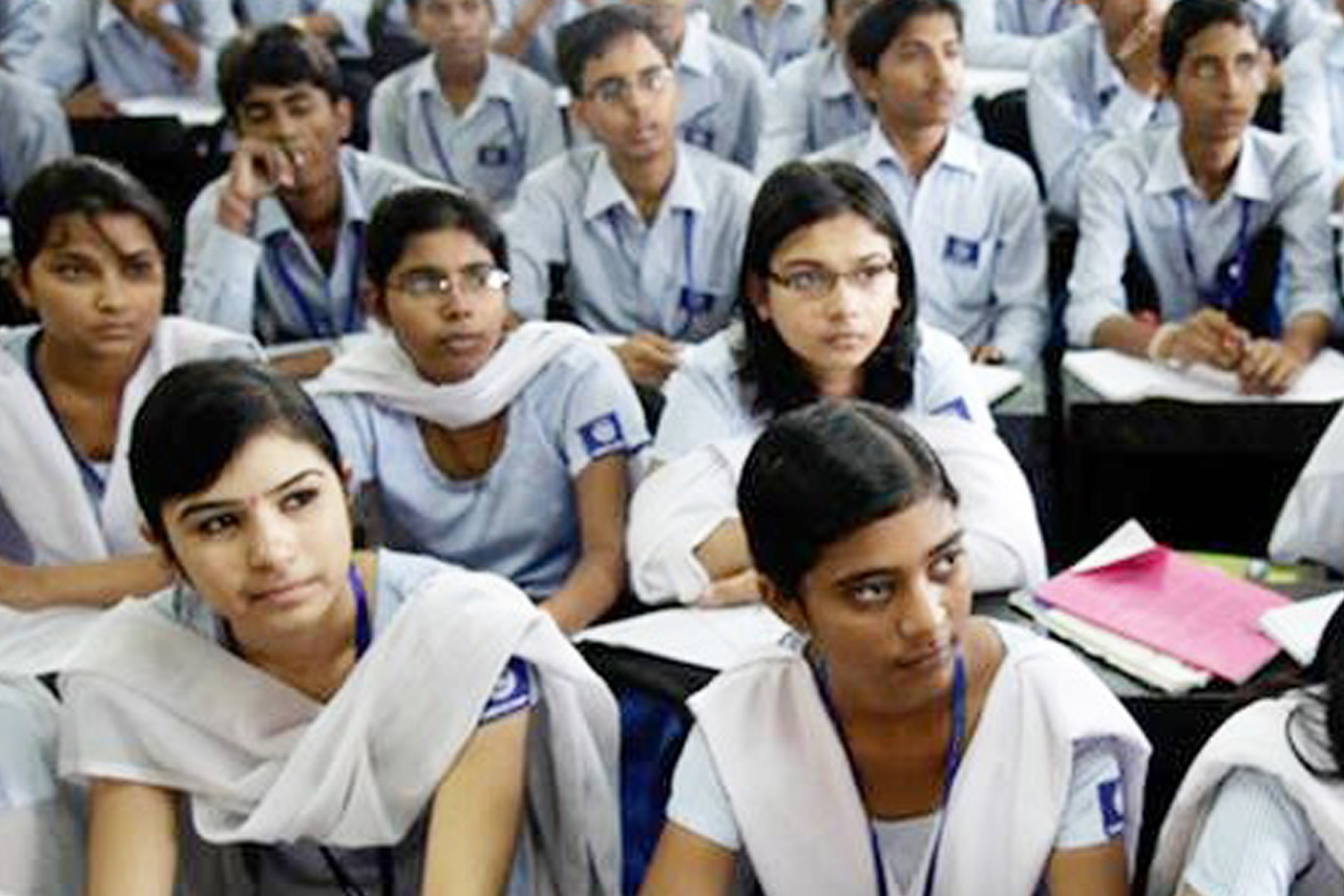
India has witnessed a remarkable surge in female participation in higher education, with a 26% increase in women’s university enrollment in 2024, according to a recent report released on Friday.
The report, published by TeamLease Edtech, highlights a significant shift towards gender inclusivity in education, marking a transformative change in the country’s academic landscape. The increase in female enrollments signifies an encouraging trend of women actively pursuing higher education and career-oriented learning opportunities.
Steady Growth in Male Enrollment and Overall Student Participation
While the rise in women’s enrollment has been substantial, male enrollments have also grown, albeit at a more moderate rate of 3.6% during the same period. This combined growth has contributed to an overall student enrollment increase of approximately 12% between 2023 and 2024.
The report underscores that the surge in female enrollments is not just limited to traditional degree programs but is particularly evident in work-linked, work-integrated, and direct admission (DA) programs.
Impressive Growth in Work-Integrated and Direct Admission Programs
A striking trend revealed by the report is the dramatic increase in female participation in specialized learning programs, such as work-integrated and direct admission programs.
- Female enrollment in these programs has more than doubled, showing a phenomenal 124% growth compared to the previous year.
- Male participation in these programs has also surged, registering an increase of around 66%.
This trend signifies a growing preference for industry-aligned education pathways that equip students with practical skills while bridging the gap between academic learning and workplace requirements.
Women’s Evolving Aspirations and Workforce Readiness
According to Shantanu Rooj, Founder and CEO of TeamLease Edtech, the rising number of female applicants in universities and work-integrated programs reflects the evolving aspirations of women in modern India.
“The rise in female applicants in both university and work-integrated programs is a testament to the evolving aspirations of women today. We need to analyze this trend beyond the higher education lens. This shift is laying a strong foundation for an equitable workforce in the future,” Rooj stated.
He further emphasized the importance of investing in accessible, industry-aligned education pathways to ensure women continue to thrive in future workplaces.
“We need to continue our investment in accessible, industry-aligned education pathways to ensure more and more women thrive in workplaces of tomorrow,” he added.
A Progressive Shift in Education and Workforce Development
The increase in female participation in both traditional and work-integrated learning models highlights a progressive shift in education and workforce development. The steady rise in female enrollments indicates that ongoing initiatives aimed at creating equitable opportunities for women are yielding positive results.
These trends underscore a growing demand for flexible, industry-aligned education, where women learners are actively securing apprenticeship and career opportunities across key sectors.
According to the report, women are increasingly gaining practical training and employment in fields such as:
- Banking, Financial Services, and Insurance (BFSI)
- Education and Training
- Information Technology (IT)
- Recruitment and Human Resources
- Customer Experience and Operations
A Step Towards an Equitable Future
The findings of this report reflect India’s steady progress toward gender inclusivity in education and the workforce. With more women enrolling in universities and opting for work-integrated learning models, India is laying the groundwork for a more diverse and equitable workforce.
As industry-aligned education continues to gain traction, the increasing participation of women in higher education and career-focused programs signals a transformative shift that is likely to shape India’s economic and social future.