 India has reiterated its strong intent to expand commercial ties with Russia, emphasizing fresh confidence-building steps that could accelerate market access and deepen long-term cooperation between both nations.
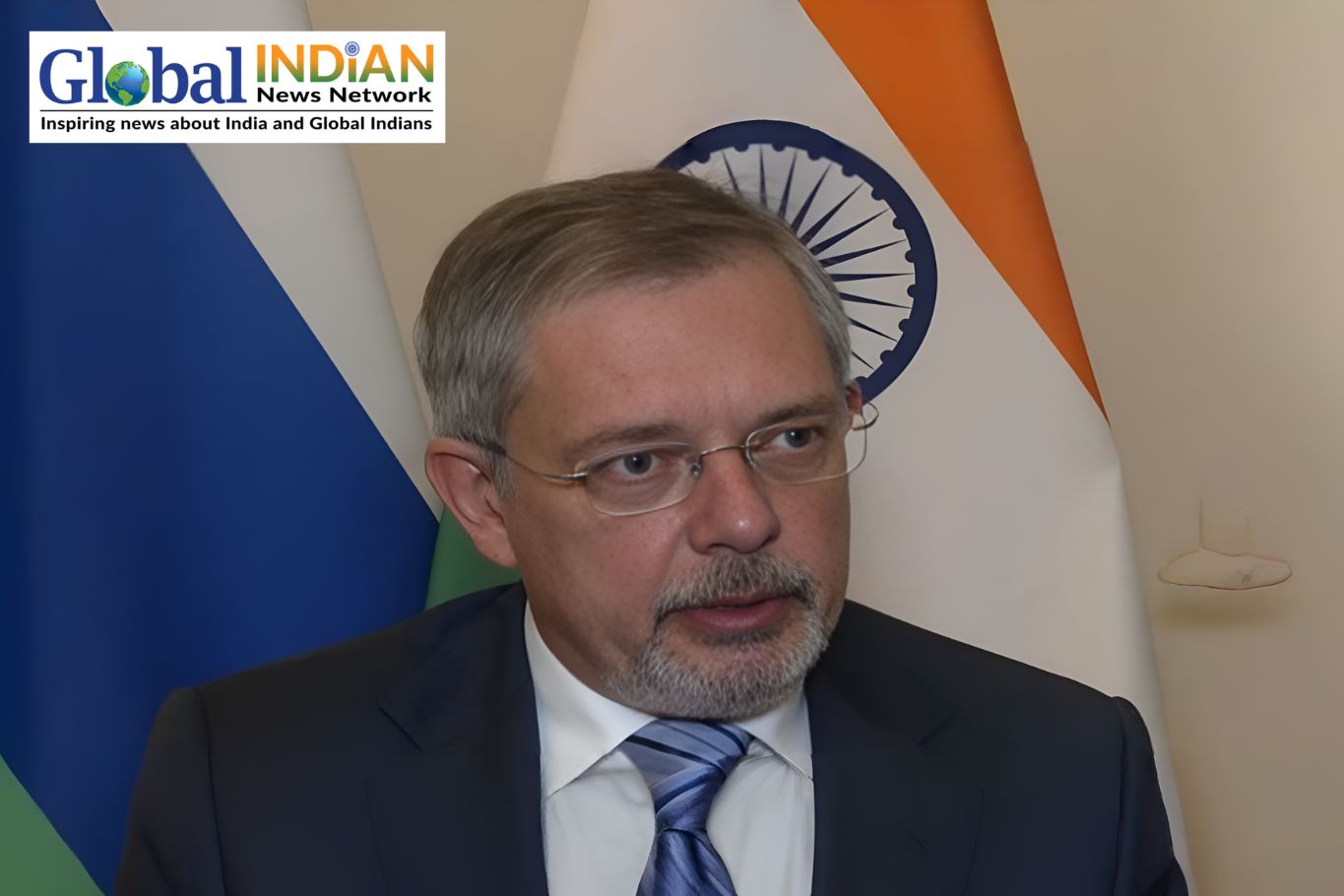
This renewed push came during the 26th meeting of the India-Russia Working Group on Trade and Economic Cooperation, held in Moscow under the broader framework of the Inter-Governmental Commission on Trade, Economic, Scientific, Technological and Cultural Cooperation (IRIGC). Commerce Secretary Rajesh Agrawal represented India, while Russia was led by Vladimir Ilyichev, Deputy Minister of Economic Development.
According to the Commerce Ministry, the two delegations reviewed the current state of bilateral trade, which has climbed to more than twice the earlier 2014 target of $25 billion. Both sides reaffirmed their shared ambition of reaching $100 billion in bilateral trade by 2030, a goal seen as achievable with coordinated policy support and streamlined processes.
During the meeting, India and Russia finalized and signed a forward-looking protocol designed to strengthen trade and economic partnership across several sectors. Key areas of discussion included speeding up the listing of Indian exporters with Russia’s Federal Service for Veterinary and Phytosanitary Supervision (FSVPS), particularly for agricultural and marine products. A structured timeline for pharmaceutical cooperation—covering product registration, regulatory alignment, and predictable approval processes—was also outlined.
The Working Group highlighted strong prospects for expanding trade in engineering goods, chemicals, plastics, electronics, pharmaceuticals, agriculture, leather, and textiles. India presented its competitive strengths in sectors such as smartphones, motor vehicles, organic chemicals, gems and jewelry, and engineering goods, positioning them as viable options to support Russia’s diversification and de-risking of imports.
On the services front, India encouraged greater adoption of Indian IT-BPM, healthcare, education, and creative services by Russian businesses, while also calling for smoother mobility pathways for Indian professionals—especially in areas experiencing labor shortages in Russia.
India showcased the scale of its Global Capability Centre (GCC) ecosystem, which accounts for nearly 45% of global GCCs, with more than 1,700 centers employing around 1.9 million skilled workers. This network was highlighted as an immediate platform for Russian companies looking to enhance operational resilience, cybersecurity, analytics, and shared services.
Both countries also agreed to explore new payment mechanisms tailored to the needs of businesses, especially micro, small, and medium enterprises, aiming to reduce friction and support smoother bilateral transactions.